
In brief
The tragic deaths of five tourists in Laos linked to suspected methanol-laced drinks have highlighted a critical public health issue related to unregulated alcohol production in Southeast Asia. Authorities and tourism operators are called to implement better education on alcohol consumption safety.
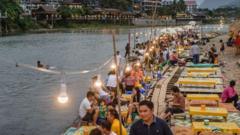
In the popular tourist destination of Vang Vieng, Laos, the recent suspected methanol poisoning incidents have drawn grim attention to the dangers of consuming bootleg alcohol in Southeast Asia. Over the past fortnight, five tourists, including a British woman, an Australian woman, a US man, and two Danish nationals, have died after allegedly consuming tainted drinks. Another Australian woman remains in critical condition in the hospital as investigations continue.Methanol, a colorless and odorless toxic alcohol, is often used in counterfeit spirits, making detection extremely difficult for unsuspecting tourists. Drinking even a small amount—approximately 25ml—can be lethal, leading to symptoms that may not manifest until 24 hours after consumption. If untreated, methanol poisoning can have a fatality rate as high as 40%, highlighting an urgent need for awareness and safety measures.Southeast Asia has the highest rates of methanol poisoning globally, frequently impacting poorer nations—including Laos, where regulations on food and drink are inadequate. Low law enforcement and the prevalence of home-brewed alcohol exacerbate the problem, as producers sometimes replace ethanol with methanol to cut costs. This illicit trade puts tourists, particularly backpackers who frequent areas like Vang Vieng, at significant risk.Local and international observers note that while the issue is well-known among tourism operators and embassies, many visitors remain unaware of the dangers. With subtle yet serious consequences surrounding liquor consumption, contentions about who holds responsibility—bar owners or producers—remain. While not intentionally harmful, an absence of education and regulations can lead to dire outcomes for unsuspecting drinkers.In response to the tragic events, some Western governments have amended their travel advisories, directing attention towards the potential risks of consuming alcohol in the region. Community efforts have emerged, such as Australian Colin Ahearn’s Facebook page, "Don't Drink Spirits in Bali," which aims to raise awareness about methanol poisoning risks. Despite these advances, experts warn that comprehensive campaigns are essential to effectively educate tourists about the hidden dangers of bootleg alcohol. Travelers are urged to remain vigilant, although the practicality of avoiding all risks associated with drinking while on vacation poses a challenge. In a region where alcohol is integral to the tourism experience, addressing methanol contamination will require both local and international collaboration.