In brief
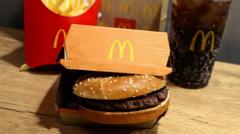
McDonald's has confirmed that it will resume the sale of its popular Quarter Pounder burgers in all US restaurants, following a comprehensive investigation that determined its beef patties were not linked to an E. coli outbreak that resulted in at least one death and numerous illnesses. The Colorado Department of Agriculture conducted tests on beef samples, returning negative results for the bacteria. As a precaution, McDonald's had temporarily halted sales of the burger in approximately 20% of its US locations to ensure customer safety.
The fast-food giant revealed that the outbreak seemed to stem from specific ingredients and geographical sources rather than widespread contamination. "We remain confident that any contaminated product related to this outbreak has been removed from our supply chain," stated Cesar Piña, the North America Chief Supply Chain Officer for McDonald's. The US Food and Drug Administration had previously indicated that slivered onions used in Quarter Pounders could be another possible culprit. Consequently, McDonald's has ceased relations with the onion supplier and has eliminated slivered onions from its offerings. The chain announced that the 900 establishments that typically sourced onions from Taylor Farms in Colorado Springs would continue serving Quarter Pounders, albeit without onions.Despite the reopening, McDonald's is currently facing legal challenges from several individuals who have reported illness linked to the outbreak. The Centers for Disease Control and Prevention (CDC) has recommended that anyone who has experienced symptoms such as diarrhea, fever, or vomiting after consuming a Quarter Pounder should seek medical attention. Symptoms may develop within four days of ingesting contaminated food, and though many will recover without medical intervention, some cases could necessitate hospitalization.Since the outbreak news broke, McDonald's shares have seen a decline of over 7.5%, and the company reported an unexpected drop in global sales in July, marking its first quarterly decline in more than three years. To remain competitive, fast-food chains including McDonald's and Burger King are prioritizing attractive value meals in response to economic pressures on their customers.