In brief
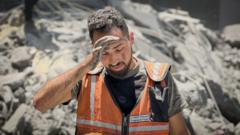
Amidst the destruction, these unsung heroes reveal the toll their work takes on their mental health, highlighting the pressing need for support and equipment as they strive to honor the lives lost.
The rescue workers of Gaza's Civil Defence are grappling with deep emotional scars as they navigate the daunting task of recovering thousands buried under rubble from relentless bombardments. Abdullah al-Majdalawi, a 24-year-old civil defense worker, shared his haunting memories, saying, "I have become afraid of my own memories." Over the past 15 months of conflict, countless mourners have draped bright orange Civil Defence vests over bodies, a somber tribute to the heroes who have sacrificed their lives while doing the harrowing work of pulling both the living and the dead from the debris.The toll on these dedicated workers has been catastrophic; as of the first day of peace, 99 had died and 319 were injured, some with life-altering conditions. Nooh al-Shaghnobi, another rescue worker, expressed respect for their fallen colleagues, stating, "We hope it will show God that this man did good with his life, that he saved others." While the situation in Gaza has left a staggering number of more than 47,000 Palestinians dead and over 111,000 wounded, according to Hamas-run health officials, the recovery process for Civil Defence workers is only just beginning. They estimate over 10,000 individuals remain entombed in the rubble, making the urgent need for recovery equipment all the more pressing.Following a fragile ceasefire, the workers anticipate an uphill climb in their mission, equipped mainly with rudimentary tools. Al-Shaghnobi recounted a recent rescue where he relied on local help to retrieve victims buried beneath a collapsed building. Yet he, along with his peers, struggles with the emotional weight of each life they uncover. “You should become numb as time goes on," he noted, “But I feel more pain, not less." Many have welcomed the growing awareness of their sacrifices but lament the systemic lack of psychological support. Despite the Israeli authorities promising extensive recovery programs for liberated hostages, little exists for those remaining in Gaza.Rescue worker Mohammed Lafi highlighted the lack of therapy, shaking his head at the absence of ongoing mental health care for himself and his colleagues. “We all need this," he asserted. Al-Majdalawi echoed similar sentiments, indicating his reluctance to discuss his traumas, which he attributed to the internal battle he faces. Amid the intense pressure and torment of recovery efforts, the vastly under-resourced Civil Defence group estimates that identifying and recovering the deceased may take years due to ongoing challenges, including remaining unexploded ordnance.As families continue their desperate searches for loved ones among the remains, many remain hopeful despite the horrors around them. One bereaved father, searching for his son, reflected poignantly, “I believe I will recognize my son immediately, even if his face has no features and he is only a skeleton.” Over 3,000 people may be unaccounted for following the bombings—an unbearable reality for families still yearning for closure. As Al-Shaghnobi succinctly put it, this tragic work awaits them, as they call for the tools necessary to fulfill their solemn mission of recovery and remembrance.