
In brief
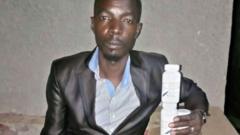
The funding freeze by USAID amid the Trump administration's policy changes has severely affected HIV patients like Mike Elvis Tusubira in Uganda and Eddah Simfukwe Banda in Malawi, putting their lives and health at risk as they face possible treatment interruptions and lost support.
Life has drastically changed for many in Uganda and Malawi following the recent funding freeze from USAID, a key player in combating HIV/AIDS in Africa. In Uganda, Mike Elvis Tusubira, a 35-year-old motorcycle taxi driver living with HIV, finds himself on the brink of losing both his health and his marriage due to the suspension of crucial foreign aid. His wife, who is HIV-negative and relies on Pre-Exposure Prophylaxis (PrEP) for prevention, can no longer access her medication, creating an opportunity for HIV transmission and fear of separation.The couple’s health supplies were previously funded by USAID, and since the aid freeze was announced via social media, they have been forced to ration their remaining medications. Tusubira stated, "We can't stay in marriage without meeting. It means that I have to stay single," as he worries about the risk of exposing his wife to the virus without safe sex practices.The funding freeze is profound, particularly for a country like Uganda, which depends heavily on donor funding for its healthcare, especially in AIDS initiatives. With an estimated 70% of its AIDS programs reliant on donations, the halt in USAID support is a significant blow. Reports indicate that over 200 healthcare workers, including those at community organizations like Reach Out Mbuya, have been laid off, leading to a major cessation of healthcare services in the country.Down in Malawi, similar concerns arise among those reliant on donor support for their treatment. Eddah Simfukwe Banda, a 32-year-old subsistence farmer, faces uncertainty. While she has a limited supply of ARVs, the closure of her local clinic — a vital provider of these medications — has left her feeling vulnerable. "We have to pray as Malawians," she shared, highlighting both despair and resilience in the face of desperation.Globally, the interruption of programs funded by USAID could lead to a rise in HIV-related deaths and complications, with experts predicting a possible surge in new infections and orphaned children due to insufficient treatment. Current statistics indicate that in 2023 alone, there were 630,000 AIDS-related deaths, and the ripple effect of the funding freeze could reverse years of progress made in combating the virus.Health officials and NGOs have voiced concerns over the ramifications of the funding halt. Dr. Diana Atwine of Uganda's health ministry urged medical staff to volunteer during this challenging time, but the lack of clarity has left many healthcare workers in limbo.As Tusubira contemplates the future, he admits he might have to return to his village, where at least he could be buried without causing disturbance. His story represents just a fragment of the widespread struggles faced by those living with HIV, as politics intervene in essential public health funding, leaving millions in jeopardy.