In brief
Following the fall of Sheikh Hasina, citizens of Bangladesh celebrated what they see as a new era. However, rights violations and rising extremism highlight a complex path ahead for the interim government's promise of change.
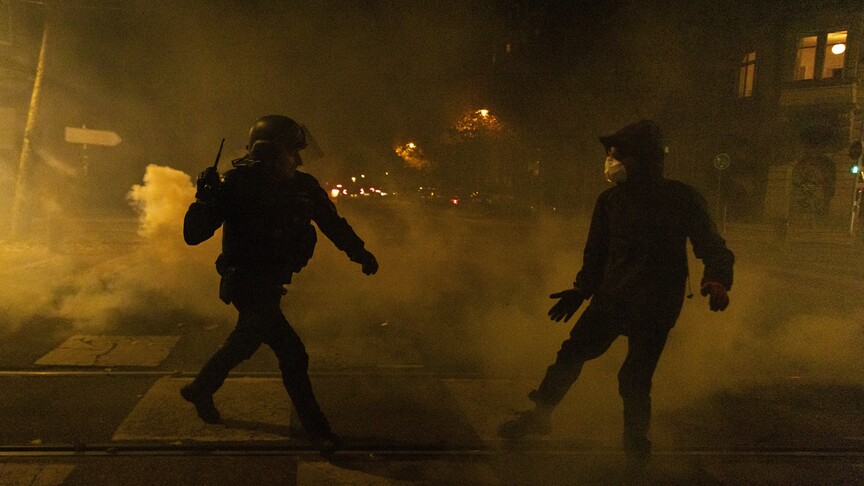
In the capital, Dhaka, colorful celebrations erupted this week as thousands came together to commemorate the anniversary of Prime Minister Sheikh Hasina’s ousting from power. Amidst torrential rain, the head of the interim government, Muhammad Yunus, alongside various political party leaders and activists, gathered to proclaim a vision for a "New Bangladesh."While jubilant scenes unfolded, the past year has been marred by troubling issues as well. Human rights groups have reported surges in mob violence, lynchings, and revenge attacks, coupled with an alarming rise in religious extremism - factors that threaten the nascent democratic aspirations of the nation of 170 million.Sheikh Hasina, currently in exile in neighboring India, watches the ongoing situation unfold from a distance, having denied involvement in alleged crass human rights violations during her administration, opting not to return amid serious criminal charges.Activist Shireen Huq, who was part of the interim government's Women's Affairs Reform Commission, voiced her discontent, stating, “I think we had a regime change, not a revolution. Fundamentally, misogyny remains intact.” The commission recently recommended several reforms aimed at improving women’s rights, but faced significant backlash from Islamist groups, demonstrating the division within the society.Despite the claims of progress, there is an evident resurgence of hardliner groups that had previously been marginalized during Hasina's tenure, leading to protests against women’s participation in public life and calls to retract proposals for women's rights.Public sentiment is still heavily influenced by the anger directed toward Hasina's regime, accused of oppressive governance. Journalistic freedom remains a contentious topic, with many journalists and Awami League supporters facing harsh treatment amid allegations of politically motivated detention.As Bangladesh navigates this transitional phase, there are signs of economic stabilization. The country boasts a healthy economy with sustainable foreign reserves and food price stability, raising cautious optimism amongst some activists and leaders.Nevertheless, cracks in the interim government's facade emerge as growing Islamist influence raises concerns about the direction of reforms. The continuous struggle for accountability and justice looms over Bangladesh, with activists asserting that unless long-standing injustices are addressed, the nation's promise of a "New Bangladesh" may remain unfulfilled.Amidst these challenges, the upcoming months are poised to be crucial as the country prepares for future elections, amidst fears that without inclusivity and the participation of all political factions, progress may continue to elude this diverse and richly complex nation. The situation underscores the pressing need for true democratic freedom to take root in Bangladesh’s turbulent political landscape.