In brief
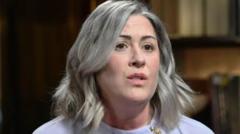
Caroline Darian recounts the traumatic moment she learned of her father's abuse, which led to his 20-year prison sentence. As she fights against chemical submission, she reflects on her family's pain and emphasizes the need for awareness and support for victims.
In November 2020, Caroline Darian received a life-altering phone call from her mother, Gisèle Pelicot, which unveiled a dark family secret that shattered her world. Gisèle revealed that Dominique Pelicot, Caroline's father, had been drugging her for a decade, allowing many men to rape her. Caroline, now 46, described the moment as an earthquake, saying, "I lost what was a normal life."Dominique Pelicot was sentenced to 20 years in prison in December 2020, following a groundbreaking trial that lasted over three months. His actions exposed a horrifying pattern of sexual violence, including the abuse of his wife by over fifty men, whom he lured online. The police investigation began after he was caught engaging in upskirting in a supermarket, leading detectives to discover thousands of videos on his devices depicting his wife being assaulted while unconscious.This case not only brought systemic issues of rape to light but also highlighted the lesser-known crime of chemical submission—a drug-facilitated sexual assault that often goes unreported as victims lack memories of their experiences. Caroline has since dedicated her life to raising awareness about this issue, confronting the stigma and silence surrounding it. In the aftermath of her father's exposure as a predator, Caroline traveled to southern France with her brothers to assist their mother in coping with the revelation of her husband's crimes. However, the trauma deepened when Caroline, confronted by police, discovered disturbing images of herself among those captured by her father's camera. Initially unable to recognize herself in the photos, she later realized the unsettling truth—that she was a victim, too. Caroline is now convinced that she too was drugged and assaulted by her father, despite the absence of physical evidence to support her claims. She emphasizes that many victims of abuse are often disbelieved or inadequately supported due to a lack of proof.In response to their family’s trauma, Caroline authored a book titled "I'll Never Call Him Dad Again," exploring their agonizing journey and delving further into the topic of chemical submission, which can stem from medications found at home. She highlights that the risk often lies within familiar environments, making the trauma even harder to process.As her mother Gisèle bravely chose to expose the public to the reality of their suffering, Caroline notes that they both shared a sense of duty to confront and endure the injustice they faced. Despite the burden of being the daughter of both the perpetrator and the victim, Caroline aspires to bring awareness to others affected by similar situations.Caroline recognizes her father as a dangerous man, asserting, "There is no way he can get out. No way." As Dominique Pelicot faces years before being eligible for parole, the Pelicot family works toward healing. Caroline derives strength from close relationships, particularly with her husband, brothers, and her ten-year-old son, as she strives to focus on the future and advocate for invisible victims of sexual violence.If you or someone you know has been affected by the issues raised in this article, resources are available through organizations dedicated to providing support for survivors of sexual violence and abuse.