In brief
In Zaporizhzhia, the fate of Ukraine hangs in the balance as citizens like shopkeeper Inna and soldier Andriy anxiously await the outcome of the US elections. With military aid at stake and the potential for a change in American foreign policy under either Kamala Harris or Donald Trump, the impact on Ukraine's struggle against Russia remains profound.
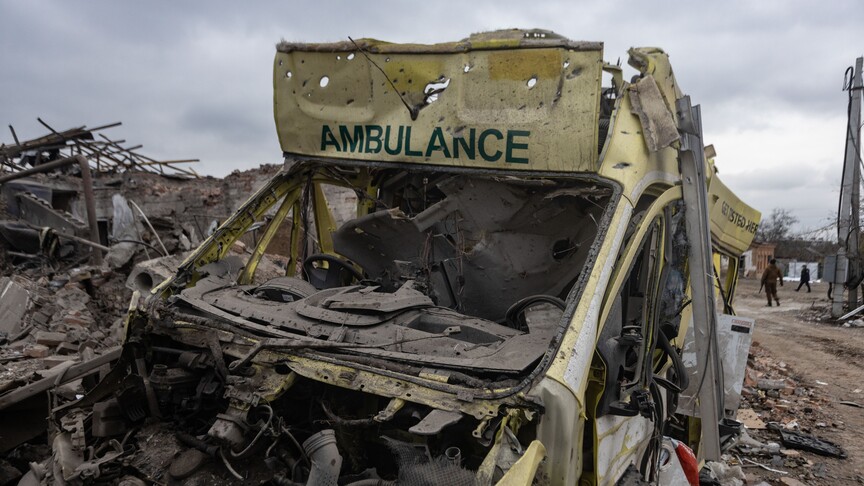
Across the frontline in Ukraine, particularly in Zaporizhzhia, the upcoming US elections are weighing heavily on both soldiers and civilians. Inna, a shopkeeper sweeping up the remnants of her shattered business caused by a Russian bomb, reflects on the uncertainty of her country’s future, “We hope that the woman, Kamala Harris, will win and support us.” The destruction surrounding her—a 10-meter crater marking the chaos of war—embodies the dire situation in which Ukraine finds itself.As the conflict rages, Ukrainian troops grapple with a critical counteroffensive that has stalled amidst a limited battlefield progress. Military assistance from the United States, which has already surpassed $50 billion, remains crucial; yet the trajectory of this support hangs in the balance with the election looming on November 5. The dichotomy of electoral choices is palpable—while Harris has indicated sustained support, a potential Republican Congress under Trump could impede aid.The implications of the upcoming election could dramatically reshape Ukraine’s geopolitical landscape. There are concerns that a less supportive US administration could force concessions over territory akin to the division seen in Korea. Trump’s suggestion that Ukraine might need to cede land adds to the anxiety felt among those defending their homeland.Amidst the autumn landscape, soldiers, including Andriy, who oversees US-made armored vehicles, are braced for changes. “If aid stops or slows, the burden will fall on the shoulders of the infantry,” he warns. The anxiety of the upcoming vote is palpable, with the uncertainty hampering their resolve on the battlefield. Conversations across Ukrainian society reflect a range of perspectives; while many rally behind the need to liberate all occupied territories, others express a desire for negotiations. Lyubov, who has lost family to the war, articulates a common sentiment: “I see the end of the war only when we reach the 1991 borders of our country.” Tensions are palpable as the country’s responses are heavily influenced by the election's outcomes. Amidst this, the appearance of a divided opinion on how to approach the ongoing conflict may lead to a complex post-election reality.With Russian bombardments a persistent danger, Ukrainian news channels are vigilant in their coverage of the election, analyzing its possible ramifications on national security. The yearning for continued support from allies reflects a broader recognition of how intertwined Ukraine's fight is with the political machinations of the US, making every vote count in this global struggle. As they await the election outcome, both individuals and policymakers recognize that the decisions made in the US will resonate far beyond its borders, impacting not just Ukraine’s future but broader democratic values at stake in the fight against Russian aggression.