9,909 Forgotten Punjabi Soldiers Finally Honoured After 80 Years
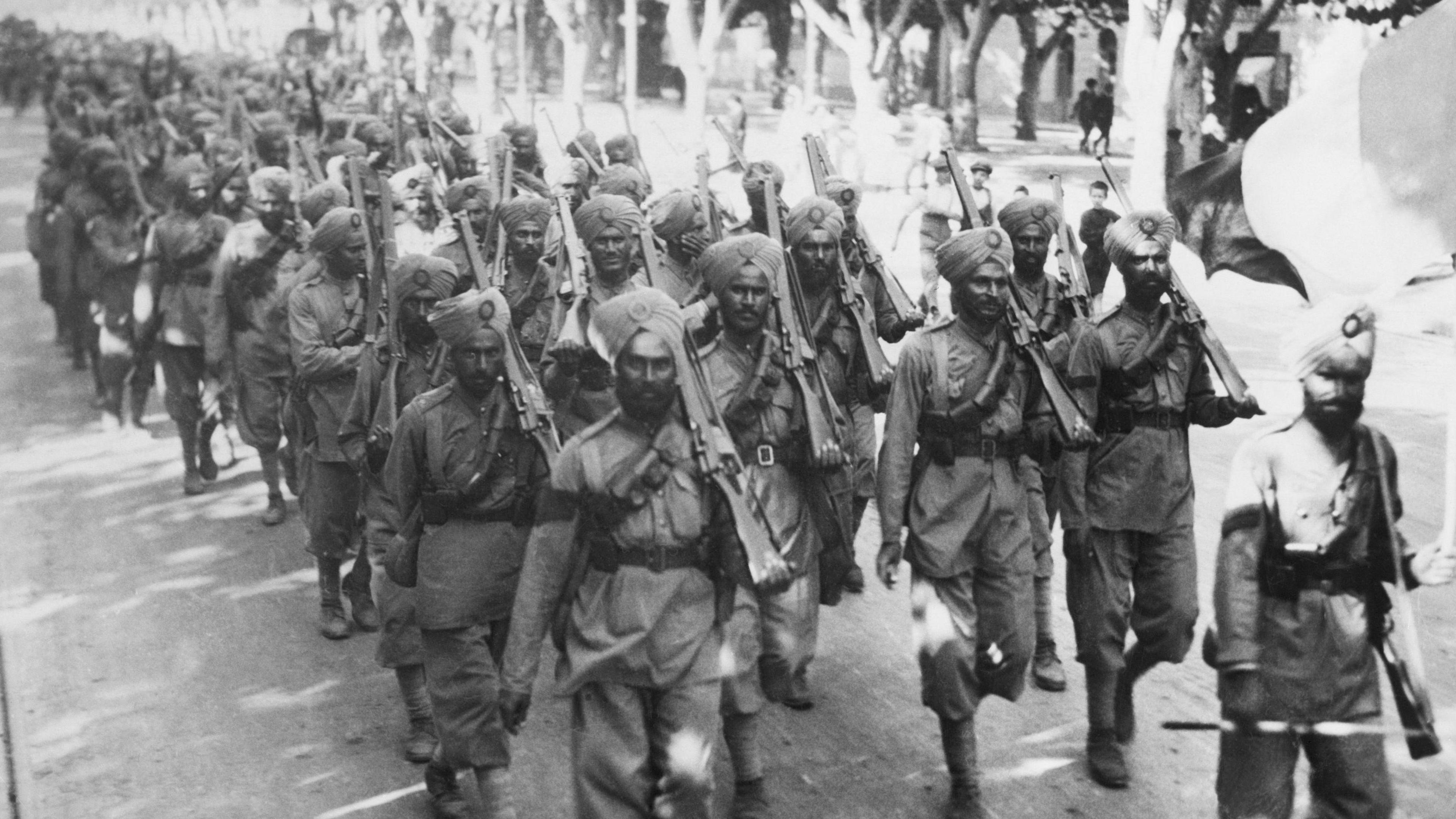
After more than eight decades of research and a massive digital dig, thousands of Punjabi soldiers who served in the British Indian Army during World War One are now officially recorded by the Commonwealth War Graves Commission (CWGC). The names of 9,909 servicemen, who had been absent from the CWGC casualty database, were added after UK volunteers uncovered their identities from original village registers kept in the Lahore Museum.
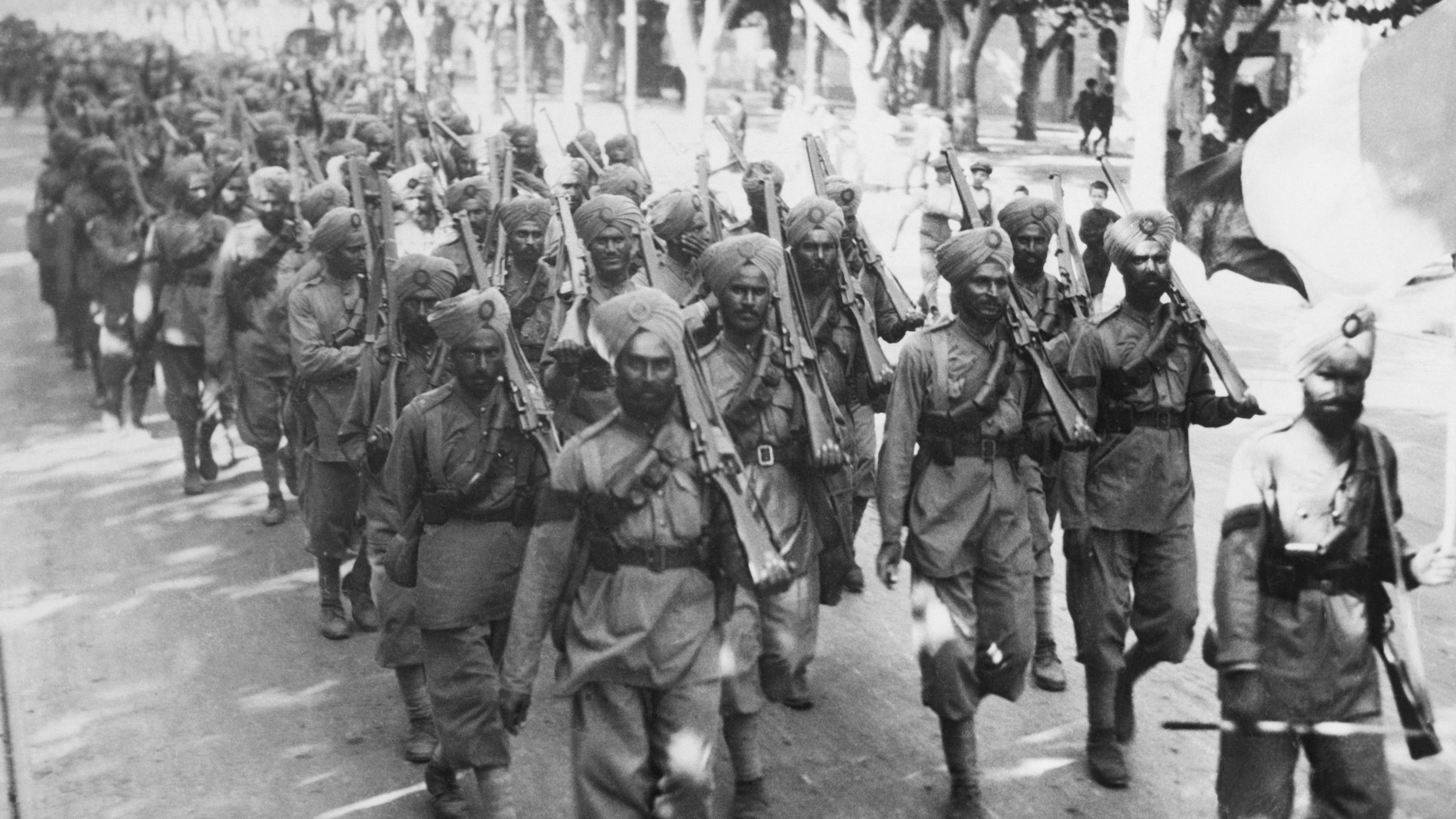
Who were they? About 1.4 million men from the Indian sub‑continent—now in India, Pakistan and Bangladesh—served in the British Indian Army during the war. Punjab produced around 320,000 of those men, a figure that was recorded in handwritten ledgers that survived the upheavals after the partition of 1947.
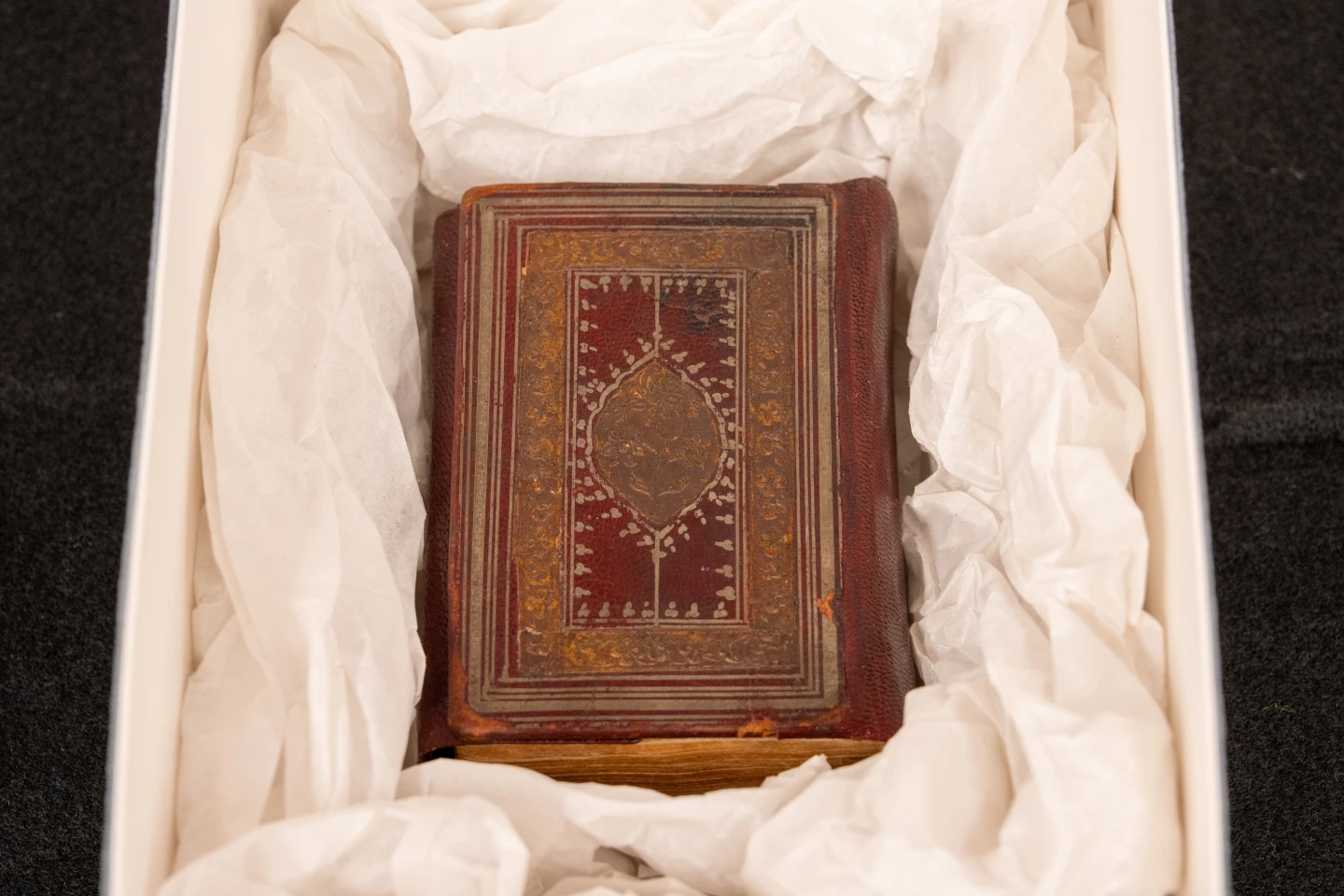
In 2016 a team of UK volunteers, working with the Punjab Heritage Association, began to digitise the fragile leather‑bound volumes. Their painstaking work revealed the missing names, many of whom had died of wounds far from the battlefield and were never granted war‑grave status. The CWGC now recognises them as part of its official toll, closing a historic omission.
Personal stories surface. One recipient of this recognition is Sunney Palahey, a dentist in Leicester whose great‑grandfather, Kesar Singh, had been named in the registers. “The circle has closed. I feel much more complete,” Palahey says, describing the emotional weight of finally knowing his ancestor is honoured by an authority he had never seen recognize him before.
What does this mean culturally? Of the 9,909 newly added men, about 25 per cent were Sikhs, another 25 per cent were Hindus, and 40 per cent were Muslim, reflecting the diverse fabric of the region. The CWGC states the update not only preserves names but also addresses a Euro‑centric perception of the war, aiming to reflect the true global nature of the conflict.
Historians note that most of the omitted soldiers died away from the battlefield, a consequence of the administrative rules of the time. The recent reversal acknowledges their sacrifice and updates the commemoration records to include them as full casualties of World War One.
Continuing the legacy. Researchers are now tracing British descendants of the soldiers, aiming to create a more personal connection for families like Palahey’s. The project, led by a PhD student from the University of Greenwich, even led her to discover her own great‑great‑grandfather’s wartime service, adding an emotional layer to the work.
As the CWGC releases these records, the story of Punjabi soldiers at the front becomes part of the broader narrative of World War One, underscoring the contributions of colonised troops and restoring their names to the annals of history.