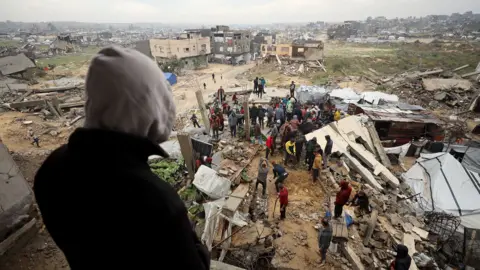
In the last two years, British Jews have faced unprecedented challenges that have reshaped their community, amid rising antisemitism, ongoing conflicts in the Middle East, and a generational schism regarding support for Israel.
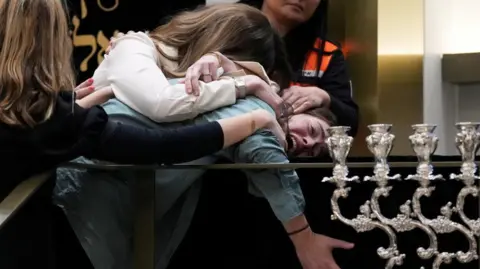
Phil Rosenberg, the president of the Board of Deputies of British Jews, expressed the emotional toll of these times: It's been an incredibly difficult two years. Our Jewish identity is being worn far more heavily these days given the pain of it all. The impact of violence and vitriol surrounding conflicts has resonated deeply, converting personal tragedies into collective grief.
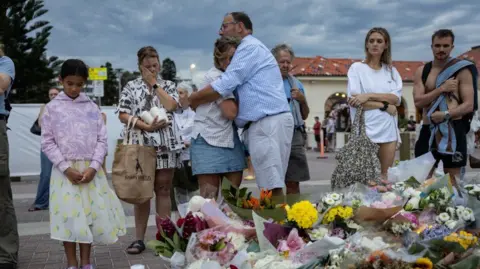
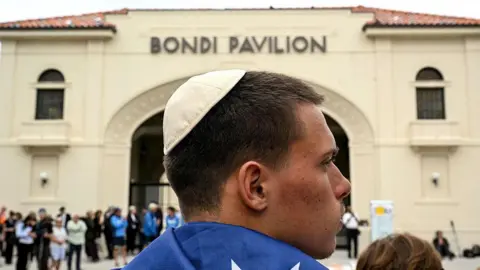
Notably, the attack at Bondi Beach during Hanukkah and the Yom Kippur assault on a Manchester synagogue have only compounded feelings of anxiety among the 300,000 Jews living in the UK. Rosenberg emphasizes how recent events have affected the sense of safety and belonging, a reality he believes is felt intensely within the community.
Many Jews report feeling the need to closely guard their identity; wearing kippahs has become a source of anxiety for some. I know Jewish people who, if they are going to the synagogue, will keep their kippah in their pocket until the moment they're through the door, recounts Ben Dory, a 33-year-old Jewish Londoner. Cambiations like these indicate a pervasive fear about safety in everyday life.
The frequency of hate crimes against Jews in the UK has surged, with the Community Security Trust reporting skyrocketing incidents. The feeling of vulnerability is echoed by Dame Louise Ellman, a former MP who articulates that this period has been the most harrowing she has ever experienced as a Jew. Despite differing views on Israel, she highlights a consensus: safety and identity are at stake.
Amid shifting paradigms of support for Israel, generational conversations around Zionism are becoming more pronounced, with younger Jews increasingly critical of Israeli policies while still engaging with their Jewish identity. Research illustrates that 20% of younger Jews identify as anti-Zionist, a sharp contrast to the views of older generations. This generational split prompts critical dialogue on identity and community responsibility.
As you delve deeper into these current dynamics, a darker undercurrent persists: rising antisemitism in Britain highlights the community's urgent need for safe spaces and support. Going forward, the responses from both leadership and society will significantly influence the future of British Jews as they navigate a landscape fraught with challenges to their identity and safety.