In brief
Effective immediately, Australia's new law requires major social media companies like Meta, TikTok, and YouTube to prevent users under the age of 16 from accessing their platforms. Prime Minister Anthony Albanese hailed the measure as a crucial step in protecting children from harmful online content. While many parents support the ban, concerns arise about its practicality and whether it may inadvertently push youth towards less safe online spaces.
Australia's world-first social media ban for children has taken effect, with throngs of teenagers waking up to find their accounts have gone dark.
Others tell BBC they have already snuck past barriers and will continue scrolling and posting freely until they are caught.
The new law means social media firms - including Meta, TikTok and YouTube - must take reasonable steps to ensure Australians aged under 16 don't hold accounts on their platforms.
The ban, eyed with excitement by global leaders and trepidation by tech companies, was justified as necessary to protect children from harmful content and algorithms - though critics have argued blanket prohibition is neither practical nor wise.
This landmark policy has been one of Prime Minister Anthony Albanese's pet projects, and speaking to media on Wednesday, he said he believed it has the power to change lives around the world.
This is a day in which my pride to be prime minister of Australia has never been greater, he said, flanked by parents and media figures who had pushed for the ban.
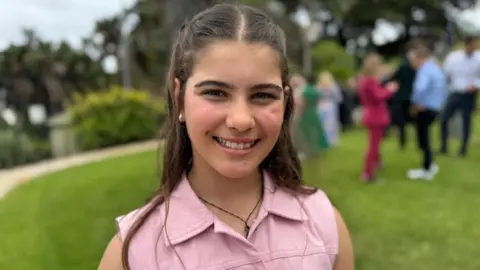
While polling indicates broad support from parents, children are expressing concerns about the impact the ban will have on their social connections. 15-year-old Breanna noted, When our Snapchat is taken away, so is our communication.
As social media platforms scramble to comply, the Australian government is determined to maintain stringent regulations to safeguard minors while encouraging other nations to consider similar measures.