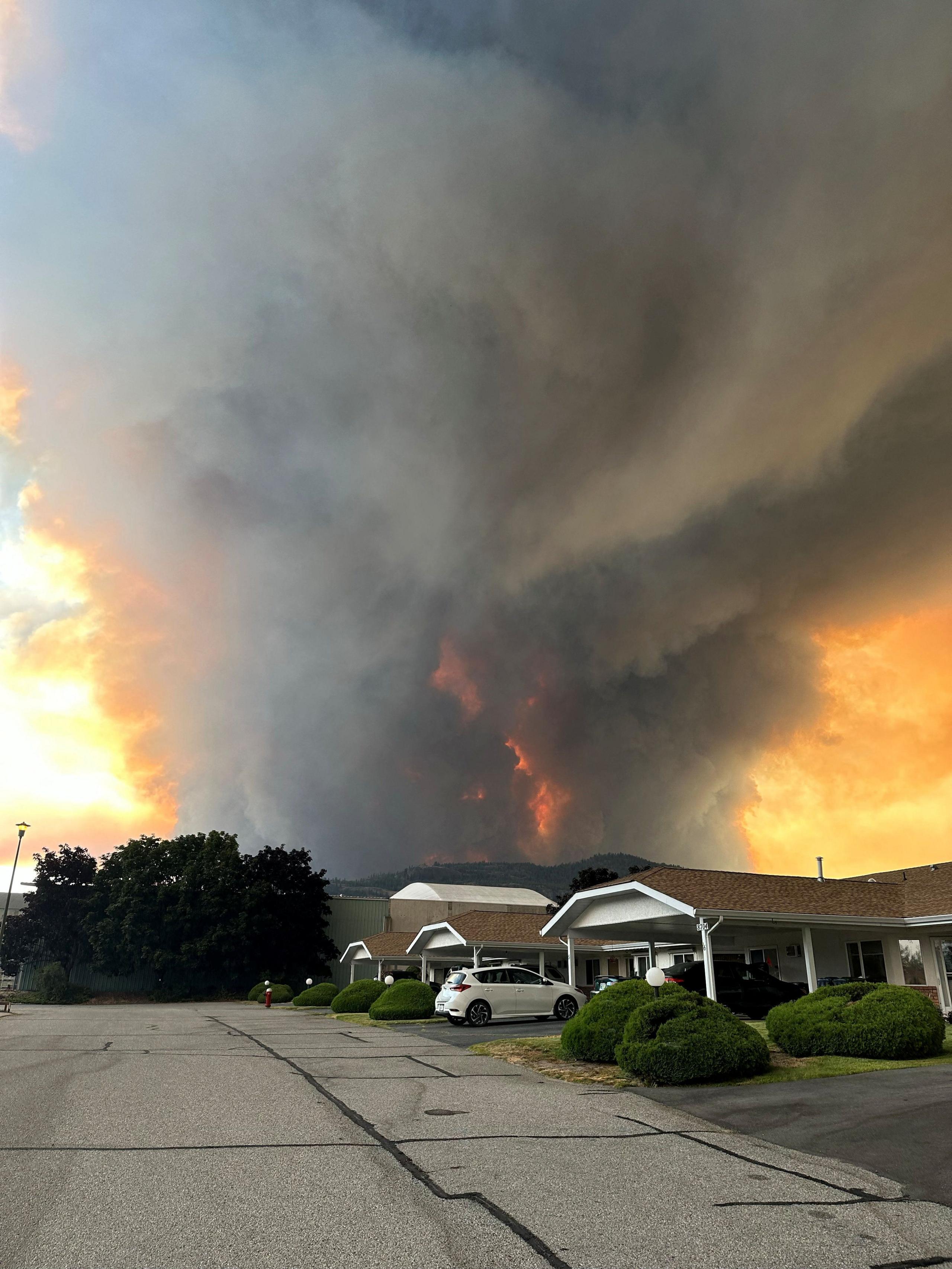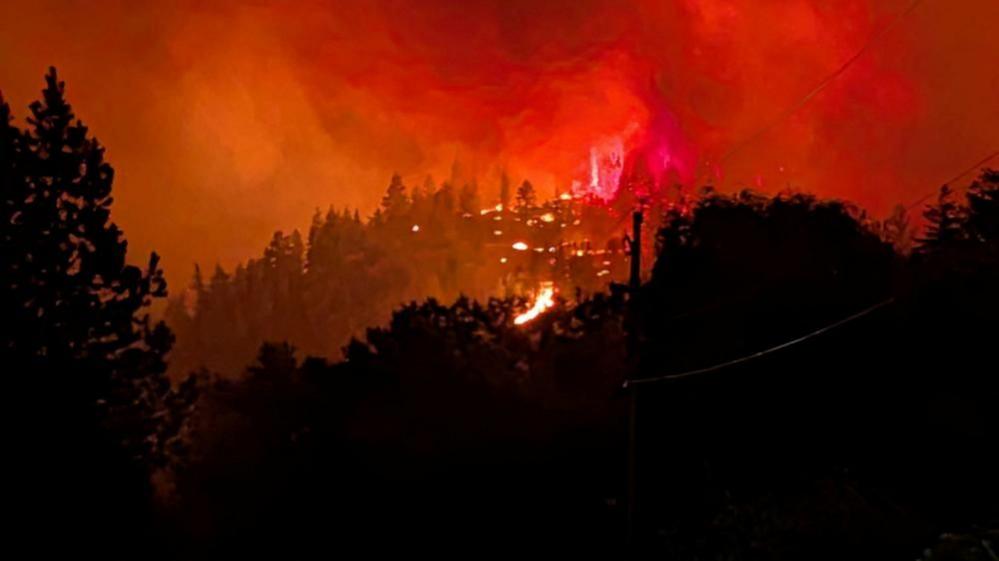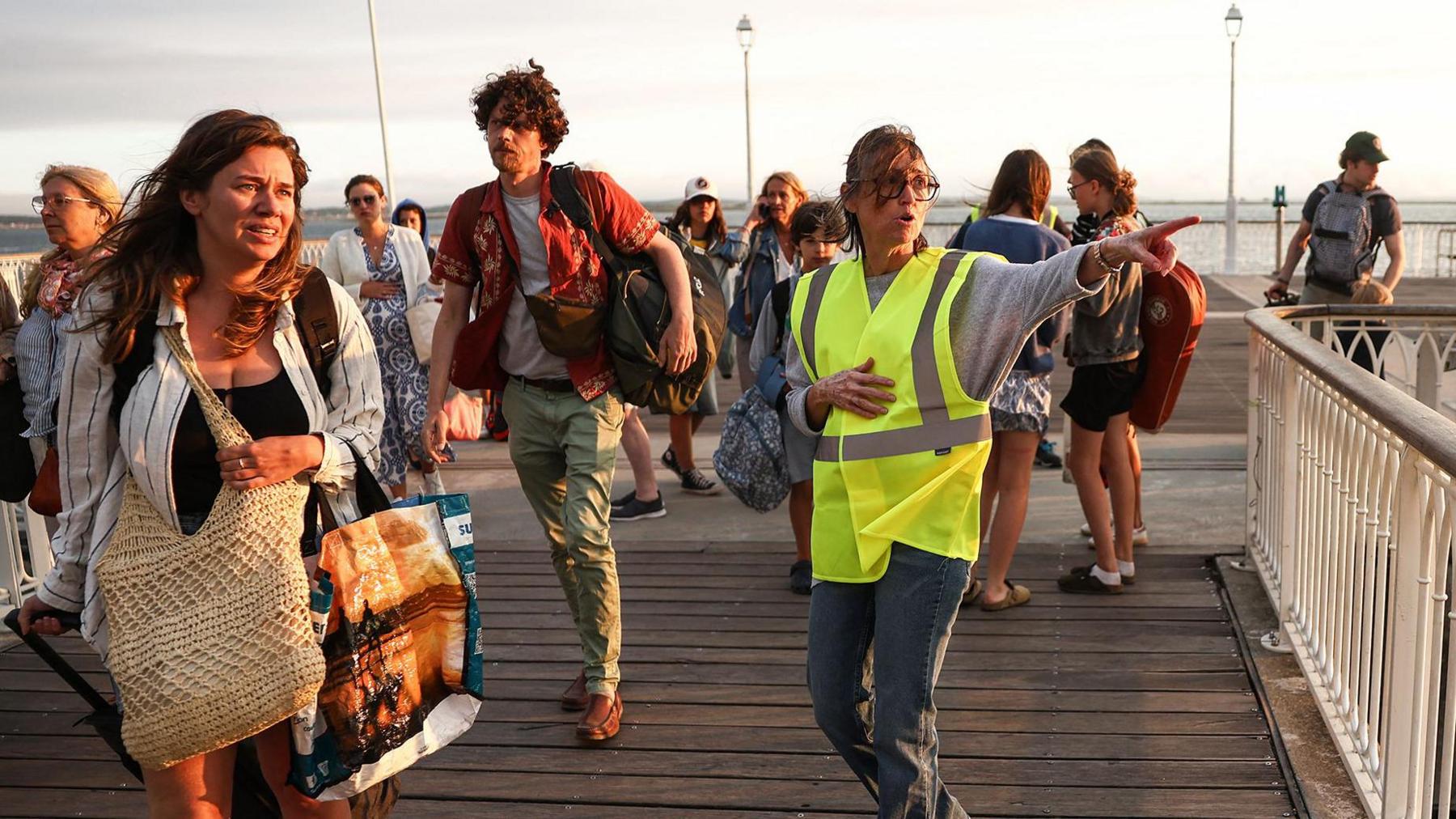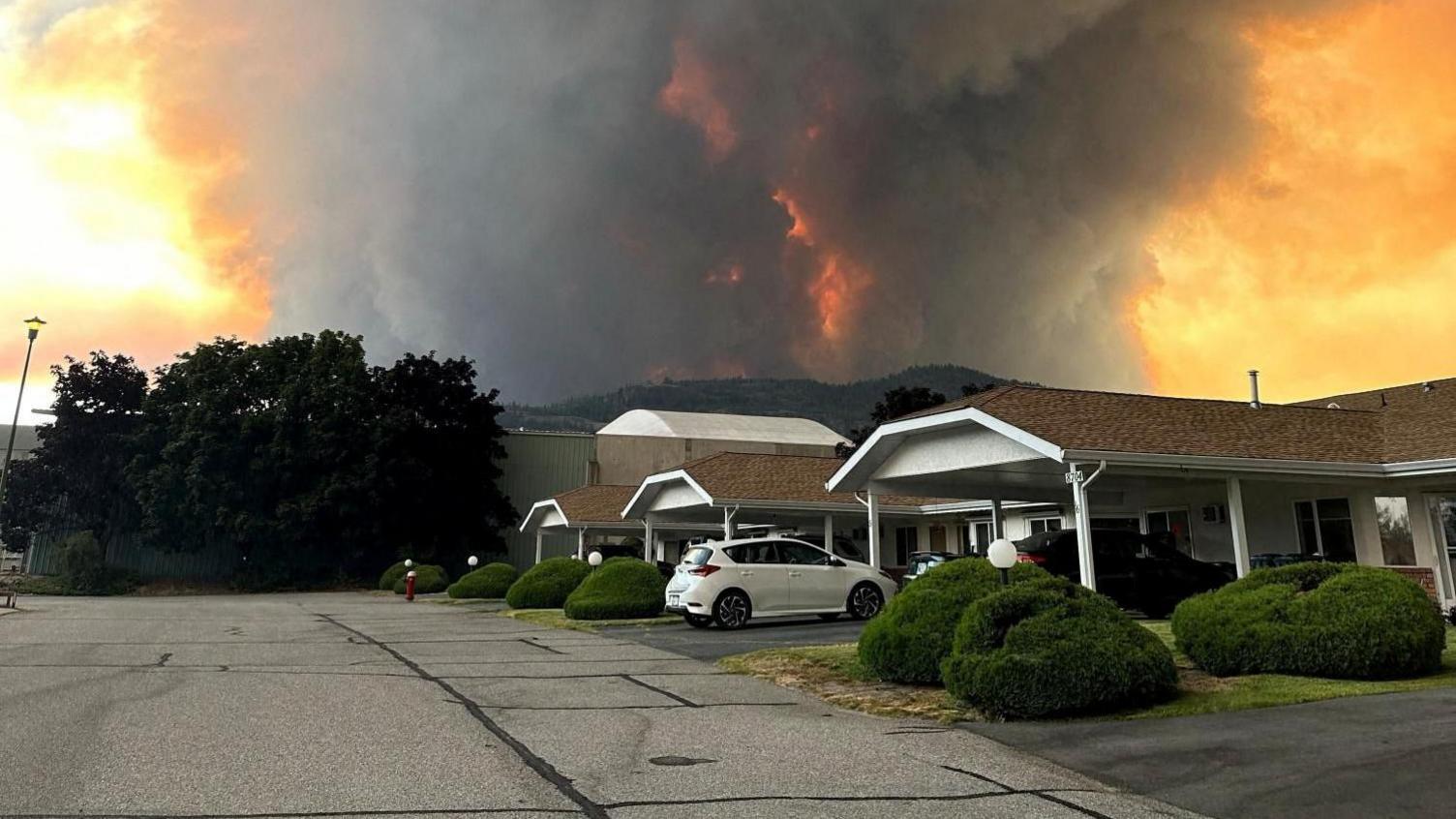
In a matter of hours, the Bald Range wildfire erupted into a 53‑square‑mile inferno, forcing over 12,000 Okanagan residents to evacuate.
Earl Kurz, who has lived in Peachland for three decades, describes the scene as “total incinerated destruction,” noting barren ash‑covered land where homes once stood. The rapid spread left him and his wife on the front lines with no choice but to flee.
The blaze also rattled the sight of an 18‑year‑old resident, Keegan Radomski, who barely escaped her family’s home with her mother’s ashes after waking to find smoke lacing the evening sky. She is still uncertain whether her property survived, describing the night as a harrowing test of her love for the Okanagan’s idyllic landscape.
The fire’s ferocity prompted a state of emergency declared by Premier David Eby, who warned residents to heed evacuation orders as the blaze continued to move “incredibly quickly.” Damage remains unconfirmed, and citizens are left grappling with the heartbreaking uncertainty that homes—once familiar and safe—might no longer exist.
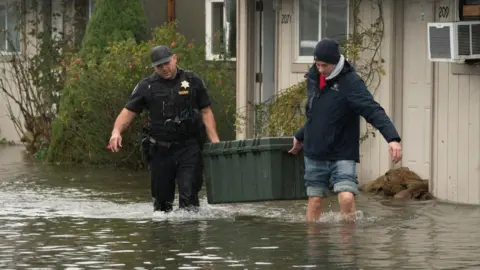
The widowed 80‑year‑old victim of the blaze, who tried to flee, underscores the human toll; her death is a stark reminder of the risks involved. Across the region, drought‑driven conditions have turned many other fires into destructive forces, with more than 65,000 people in Washington forced to abandon homes.
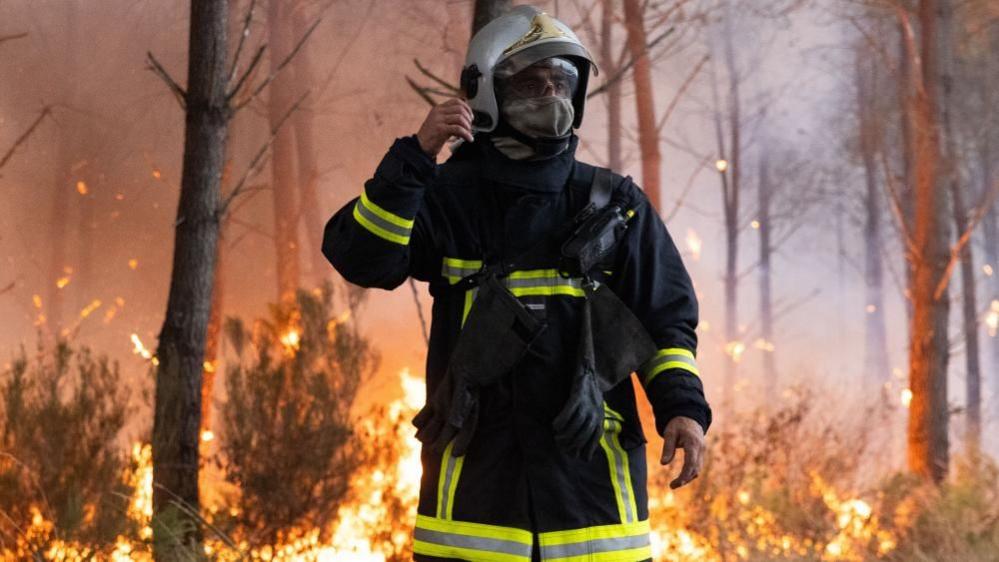
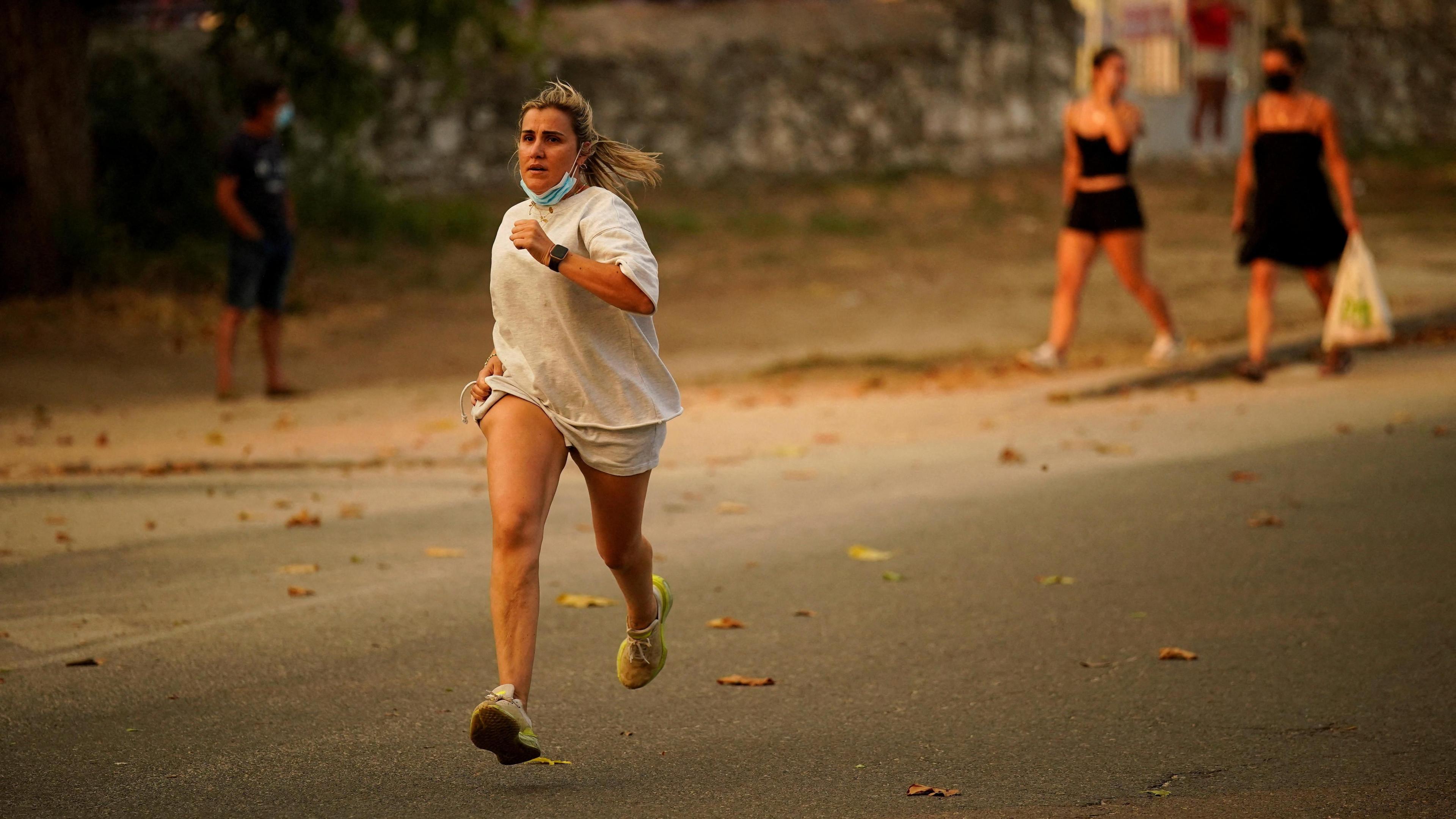
Faced with record‐high temperatures, Finland, Spain, and France are likewise enduring raging flames that have scorched vanishing forests and homes. In Canada, 2023’s extreme summer saw the country’s worst wildfire season—but the 2026 Okanagan fires suggest a new pattern of intensifying, larger, and more frequent incidents driven by climate change.