Balloons from Belarus: A New Kind of Threat to Lithuania's Security
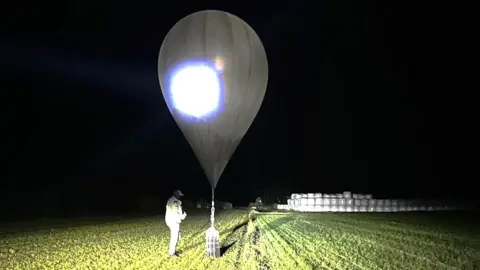
Whenever the wind blows northwest from Belarus, Lithuania braces for problems. Giant white balloons launched across the border carry crates of cheap cigarettes, causing chaos as they disrupt air travel. In the past ten weeks, Lithuanian authorities have reported 15 shutdowns of their main airport, leaving thousands stranded.
Officials believe these balloon launches are a part of a hybrid warfare strategy employed by Belarus, escalating tensions in the region. Foreign Minister Kestutis Budrys underscored the seriousness of the situation, stating that while initially these balloons may have been used by organized crime for smuggling, their strategic placement suggests a more calculated geopolitical motive.
Emergency response
The Lithuanian government has declared an emergency situation. As the balloon traffic surged in October, the government initiated military patrols in the border region to intercept contraband and prevent the disruption caused by these airborne threats.
Authorities are focused on night patrols, tracking mobile checkpoints that monitor the roads for suspicious activity linked to the smuggling operations.
What is Belarus up to?
The situation has led to increased military presence along the border, with a tall fence and barbed wire marking the line between the two countries. The government in Minsk continues to downplay allegations of state-sponsored smuggling, attributing the balloon activity to individual smugglers motivated by profit.
However, Lithuania remains skeptical. Observers pointed out that the manner of operation appears coordinated rather than random, reinforcing suspicions of state complicity in this unconventional method of harassment.
Disruption and delays
The recurrent airport closures have prompted significant disruptions in air travel, with airlines and travelers forced to adapt to the unpredictability introduced by these flying contraband carriers. As pressure mounts, calls for expanded sanctions against Belarus are growing within the European Union, as Lithuania's government seeks a united front against what it views as escalating aggression from its eastern neighbor.