Bolivian President Declares State of Emergency Over Prolonged Blockades
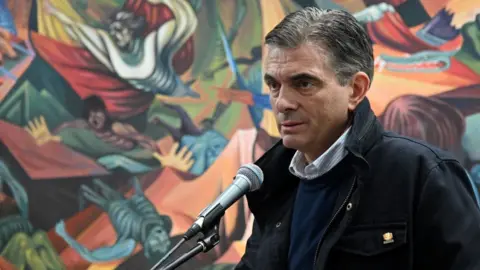
President Rodrigo Paz announced a state of emergency, granting himself expanded authority to clear roadblocks that have crippled supply chains and halted economic activity.
The order, which must be ratified by Congress within 72 hours, aims to “free the country’s roads” and restore normalcy after weeks of unrest led by miners, farmers and indigenous groups demanding the president’s resignation.
Lawmakers approved a bill earlier that lowered the threshold for deploying troops to quell protests, signalling a shift toward intensified security measures.
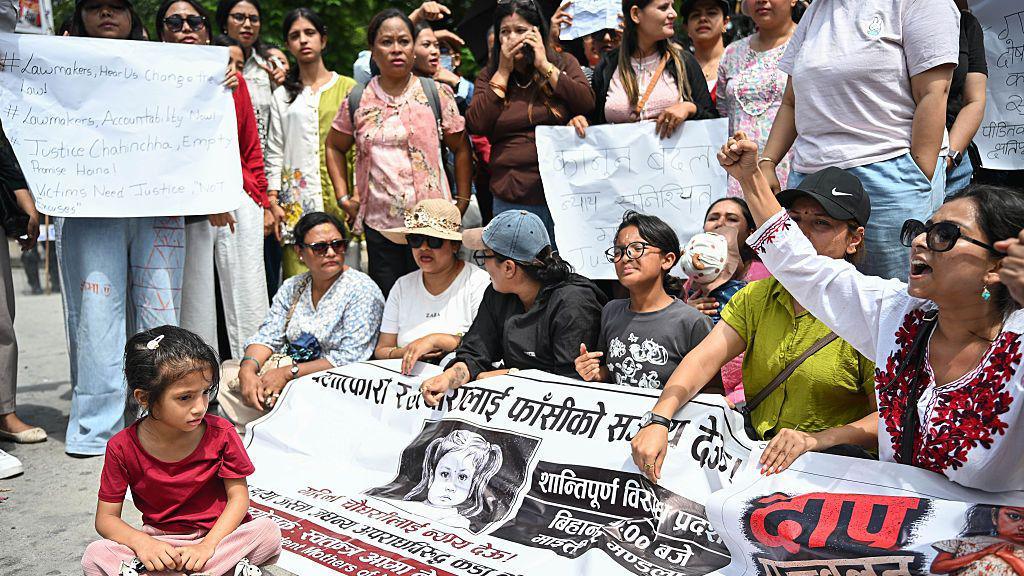
Despite the emergency, protests continue; activists claim they will persist until fuel subsidies and other austerity reforms are rolled back.
The situation follows Paz’s cancellation of a contentious land‑reform plan and his accusations that former president Evo Morales orchestrated the unrest.
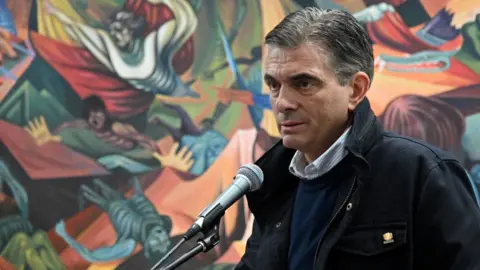
In a social media post, Paz warned that Bolivia “cannot continue to be hostages of blockades” that prevent working, studying, and receiving medical care.
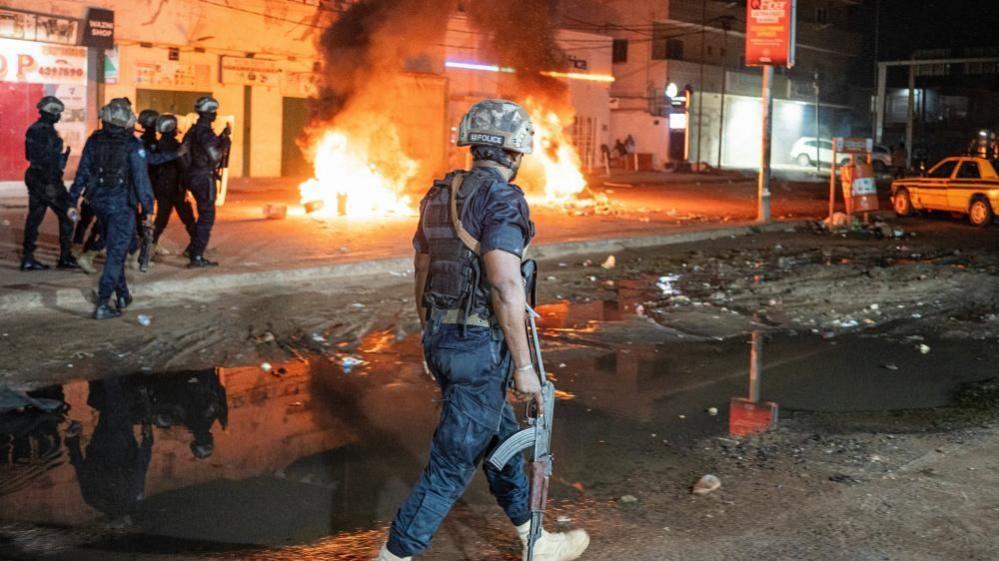
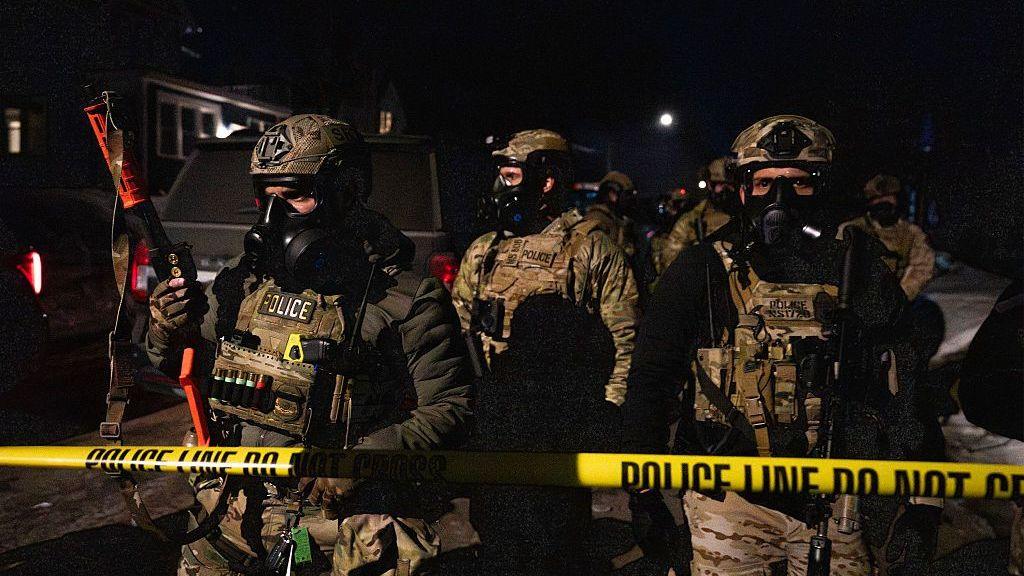
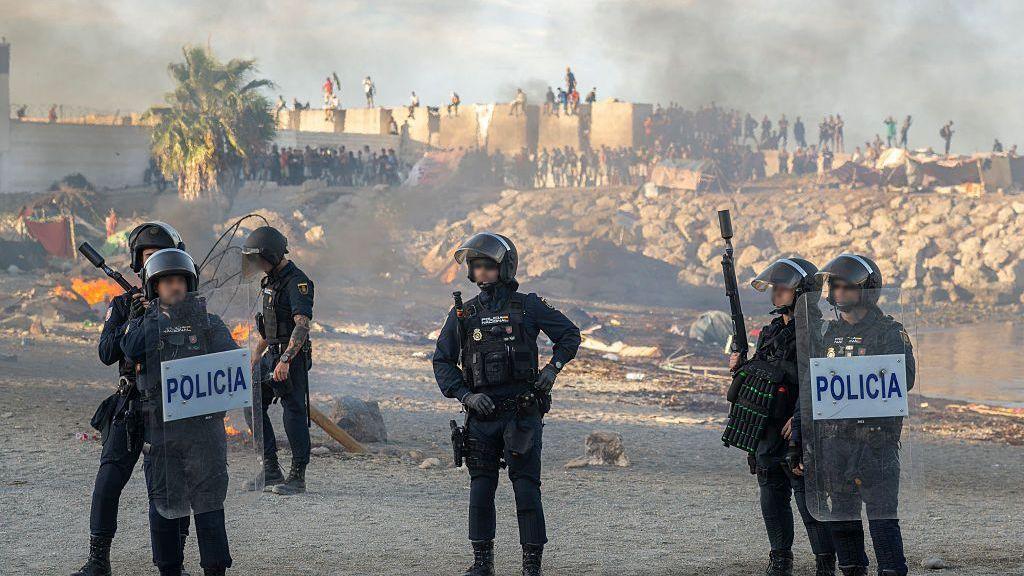
Meanwhile, journalists reported police and military presence in city squares, underscoring the gravity of the crisis.
For further coverage, see Bolivian Congress allows deployment of troops to quell protests and President warns country at 'breaking point'.