In brief
U.S. Customs and Border Protection's aggressive tactics in Chicago, overseen by Border Patrol commander Greg Bovino, have ignited controversy. Since launching 'Operation Midway Blitz', over 3,200 individuals have been arrested. Critics, including Illinois governor J.B. Pritzker, condemn the actions as excessive and inflaming tensions in a city marked by sanctuary policies. Despite the backlash, Bovino claims the measures are necessary to counter what he perceives as a threat from undocumented immigrants. Legal challenges persist, requiring agents to wear body cameras during operations.
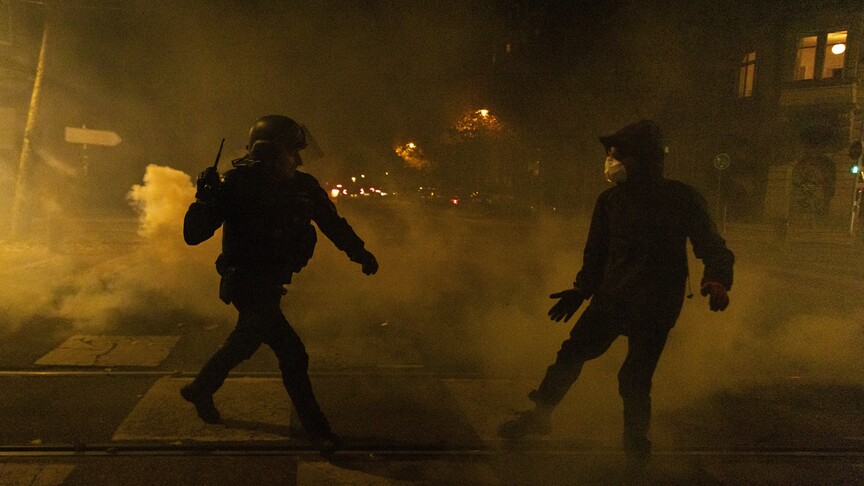
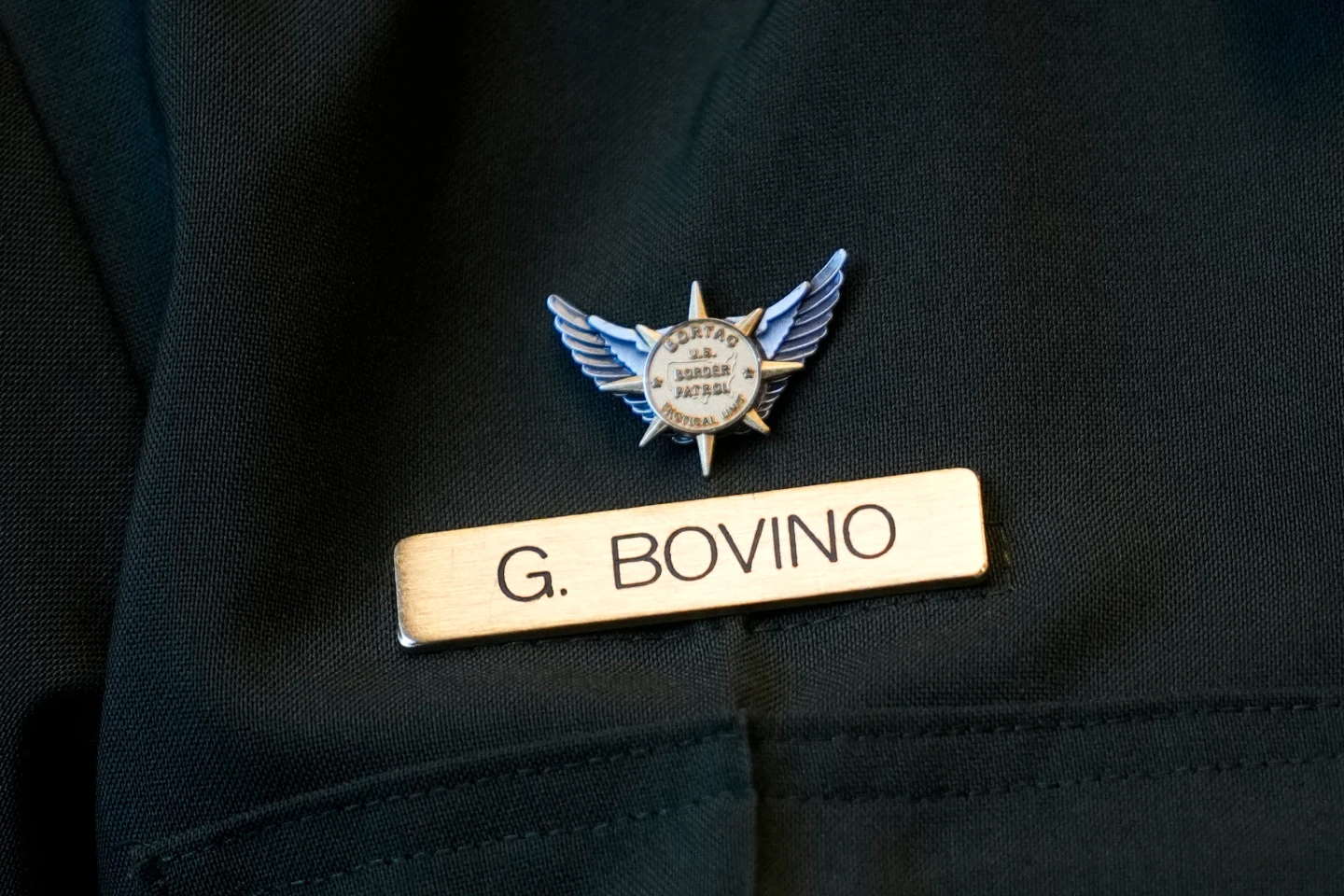
Chicago, IL - The U.S. Border Patrol is facing sharp criticism for an aggressive immigration crackdown led by commander Gregory Bovino, who has defended controversial tactics including the deployment of chemical agents and high-profile helicopter raids.
Since the introduction of 'Operation Midway Blitz', over 3,200 arrests have been made in the Chicago area as the federal agency escalates its efforts against what it describes as a threat from undocumented immigrants. This operation aims at cities with sanctuary policies, where local laws limit cooperation with federal immigration enforcement.
In a recent interview, Bovino highlighted the methodical execution of these operations, likening agents' movements to those of police on duty. He insists that the aggressive tactics are necessary in light of the challenges faced by agents on the ground. I didn’t anticipate it would reach this level of resistance, Bovino stated. Our intelligence indicates significant threats emanating from undocumented communities, which justifies our approach.
However, this stance has sparked legal and political battles. Critics, including Illinois Governor J.B. Pritzker, argue that such heavy-handed tactics are unnecessary and may incite further discord among residents. Governor Pritzker has publicly condemned these efforts, framing them as politically motivated maneuvers to bolster the federal government's presence in urban settings.
Activists and community members have organized protests, claiming that these operations have led to the intimidation and harassment of local populations. Incidents of protesters confronting agents, using whistles and other means to disrupt operations, have become common in areas heavily affected by the raids.
Bovino remains resolute, asserting he has received some community support during these operations; he recalls accounts of gratitude from residents during heavy raids aimed at perceived threats in their neighborhoods.
Despite the critique, he doesn't shy away from advocating for the continued use of force where necessary, stating, We will adapt our strategies based on the evolving nature of this issue. As the federal government enhances its immigration enforcement in urban areas, the future of Chicago's immigration landscape remains uncertain.