CAPE CANAVERAL, Fla. — As we delve into 2026, the universe unfolds a breathtaking array of celestial events that are sure to enthrall space enthusiasts and casual observers alike. This year's cosmic lineup features significant moments: the return of astronauts to the moon, dazzling eclipses, a rare comet, and a captivating planetary parade.
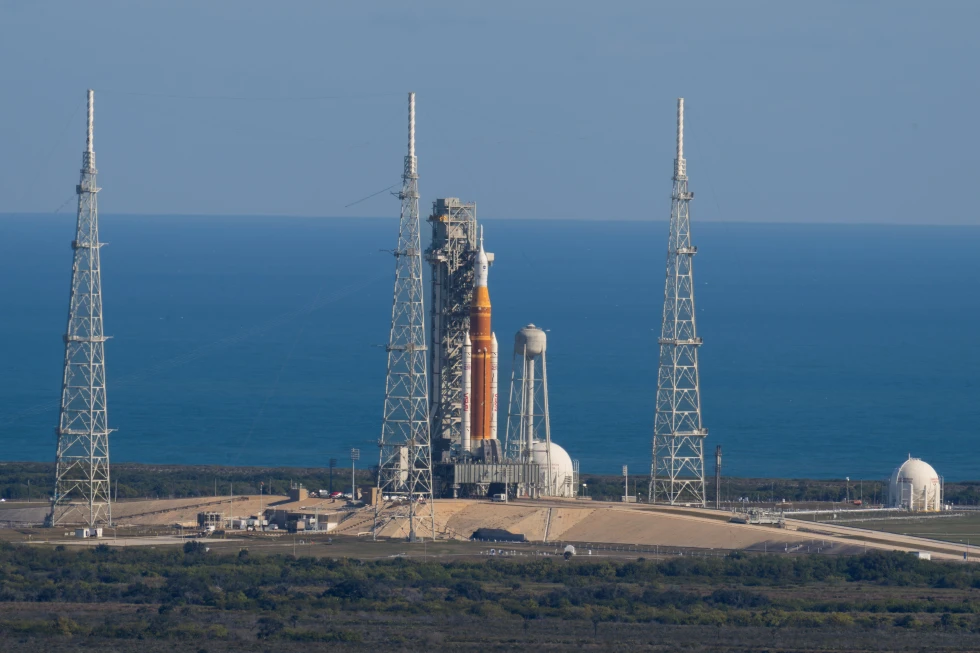
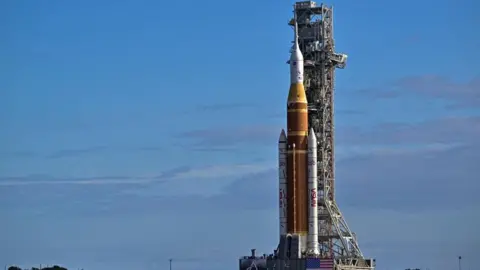
Kicking off in January, NASA's Artemis mission will send a crew to orbit the moon, marking humanity's first lunar visit in over five decades. Astronauts will be exploring uncharted territories of the moon, giving scientists fresh insights into potential future landing sites.
In addition to lunar activities, expect to witness three supermoons throughout the year, offering larger and brighter full moons for stargazers to enjoy without any special equipment.
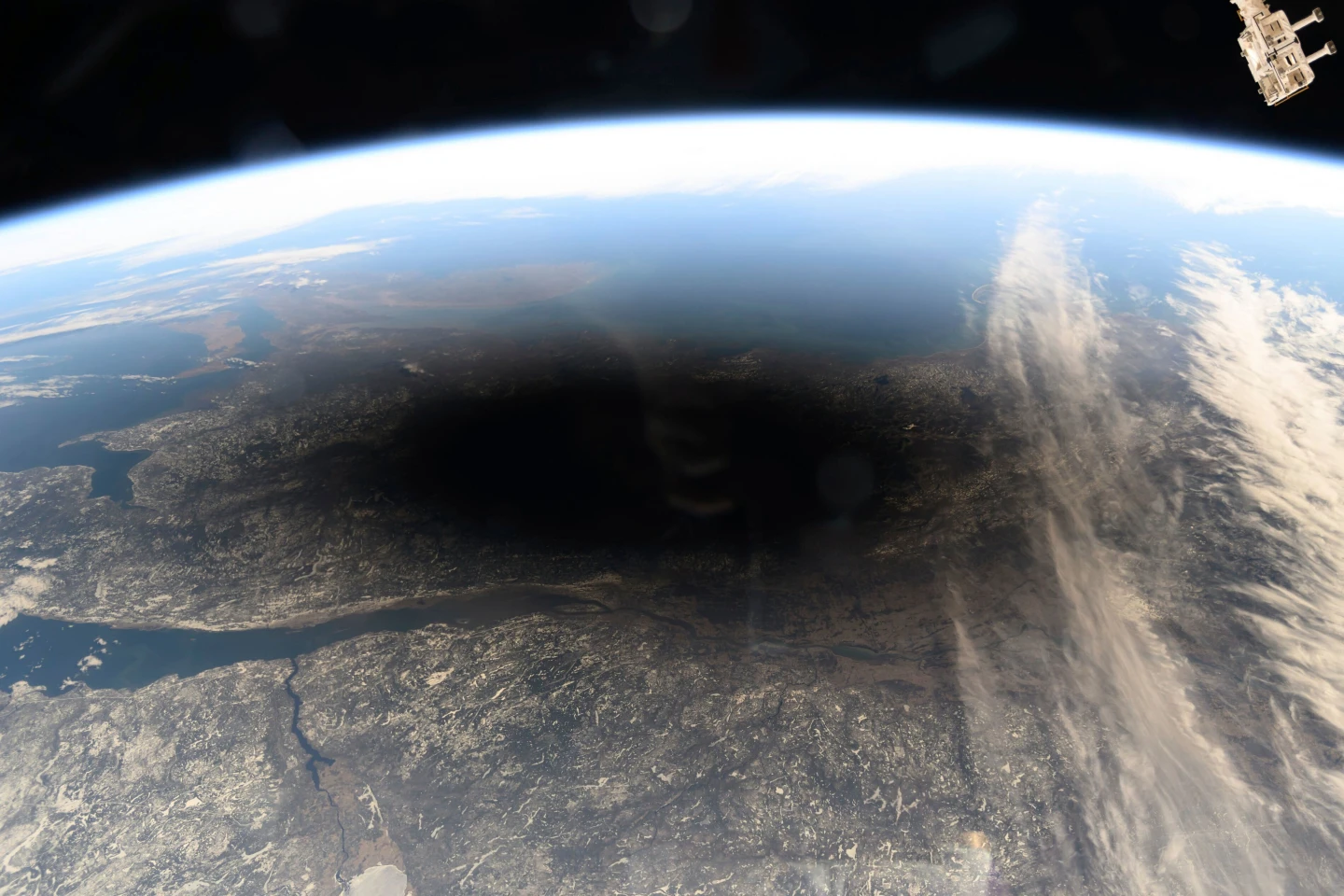
February will see the spectacular ring-of-fire solar eclipse visible in the Antarctic and surrounding regions, followed by a total solar eclipse on August 12 that will traverse Greenland, Iceland, and Spain, providing two minutes of totality.
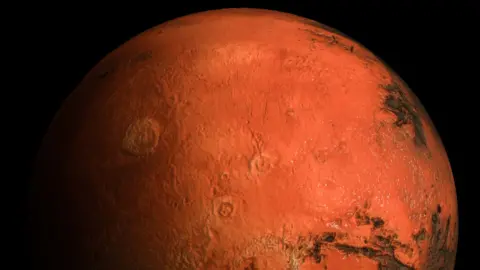
Throughout the year, six planets will align on February 28, featuring a nearly full moon alongside Jupiter, while a parade of planets in August will welcome Mars back into the spotlight.
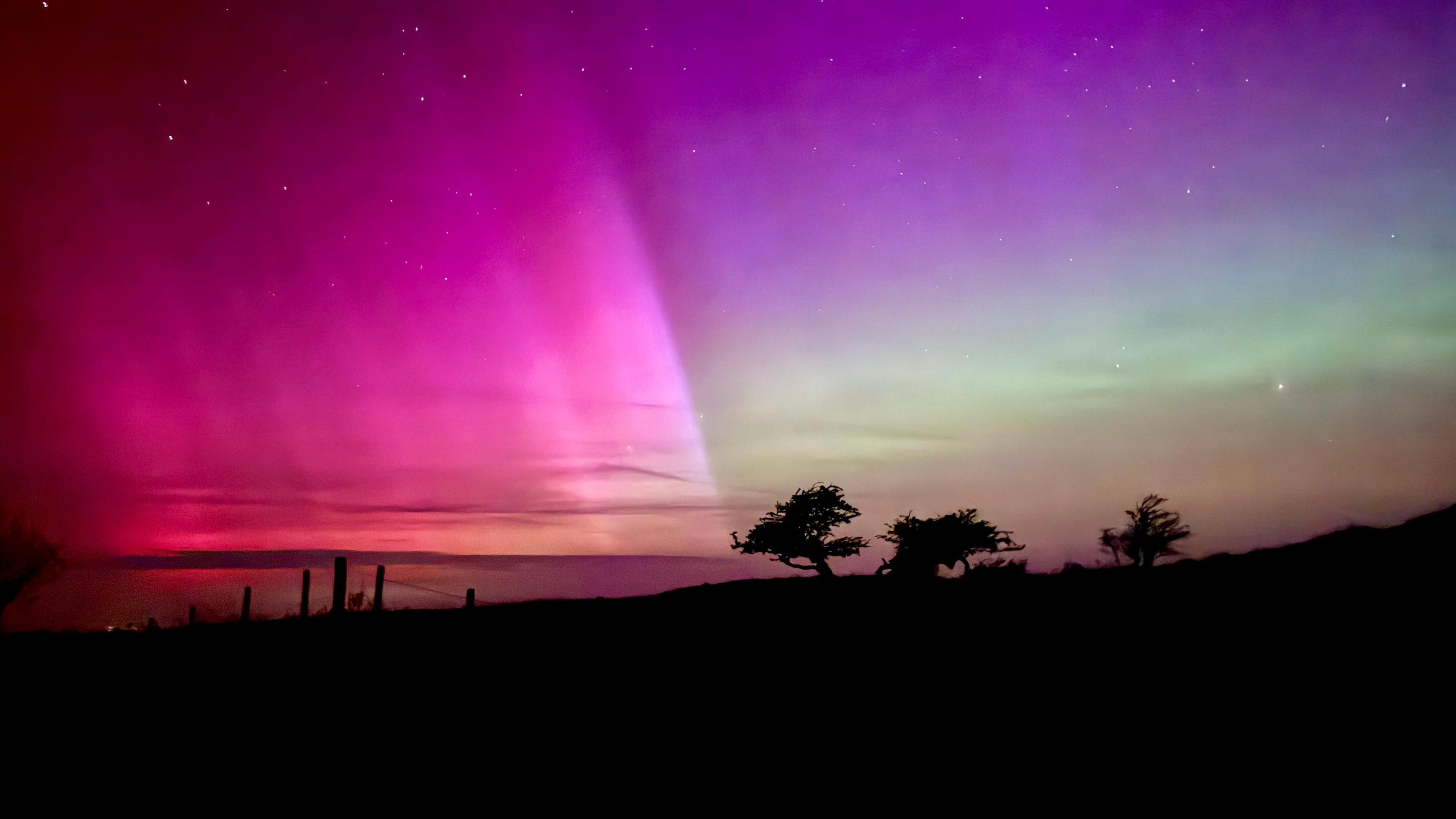
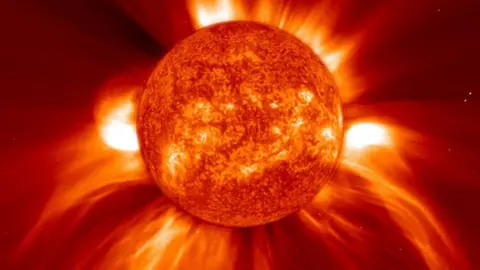
2026 is also set to dazzle with an increased incidence of auroras as solar activity oscillates, offering stunning light displays in the night sky. As scientists eagerly await additional interstellar visitors, enthusiasts prepare for a groundbreaking year in the heavens ahead.
Mark your calendars as both amateurs and seasoned stargazers alike gear up for a year filled with cosmic wonders and unexpected discoveries.
Kicking off in January, NASA's Artemis mission will send a crew to orbit the moon, marking humanity's first lunar visit in over five decades. Astronauts will be exploring uncharted territories of the moon, giving scientists fresh insights into potential future landing sites.
In addition to lunar activities, expect to witness three supermoons throughout the year, offering larger and brighter full moons for stargazers to enjoy without any special equipment.
February will see the spectacular ring-of-fire solar eclipse visible in the Antarctic and surrounding regions, followed by a total solar eclipse on August 12 that will traverse Greenland, Iceland, and Spain, providing two minutes of totality.
Throughout the year, six planets will align on February 28, featuring a nearly full moon alongside Jupiter, while a parade of planets in August will welcome Mars back into the spotlight.
2026 is also set to dazzle with an increased incidence of auroras as solar activity oscillates, offering stunning light displays in the night sky. As scientists eagerly await additional interstellar visitors, enthusiasts prepare for a groundbreaking year in the heavens ahead.
Mark your calendars as both amateurs and seasoned stargazers alike gear up for a year filled with cosmic wonders and unexpected discoveries.