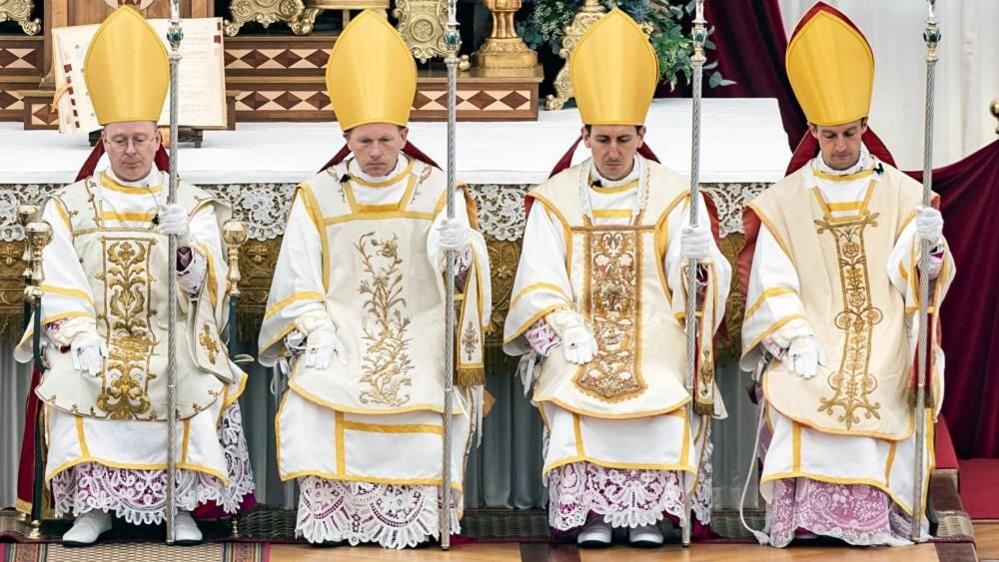
Controversial Bishops Ominous Ordination Sparks Schism Threat
By Imogen Foulkes, Geneva correspondent
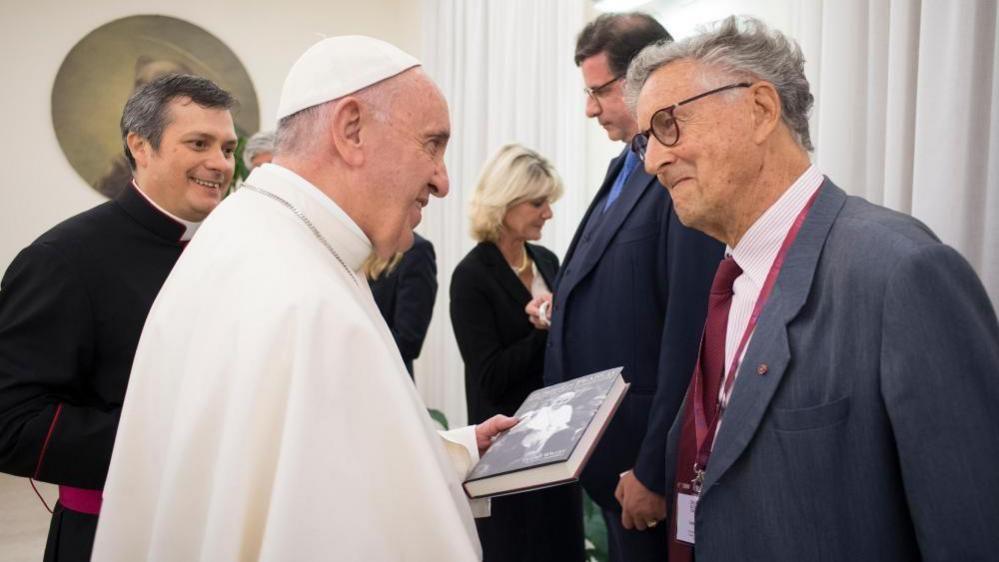
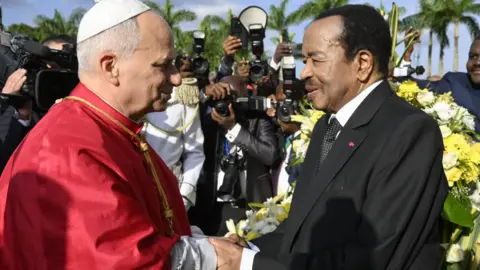
Tens of thousands of faithful Iranian and Swiss pilgrims gathered in the tiny Alpine village of Écône on Wednesday to witness a mass that would redefine the Catholic hierarchy: four priests were sealed with the sacred rites of bishop consecration—defying the most recent pleas of Pope Leo XIV that the act would “tear the seamless garment of Christ.”
The newly ordained bishops come from the United States, Switzerland, and France, all of whom belong to the Society of Saint Pius X (SSPX) also known as the Lefebvris, a group that has long opposed Vatican reforms enacted after the Second Vatican Council such as vernacular Masses. The Vatican’s papal censure first came in 1988 when a previous ordination was excommunicated; in 2009 Pope Benedict XVI briefly lifted the excommunication but the positions remain essentially unchanged.
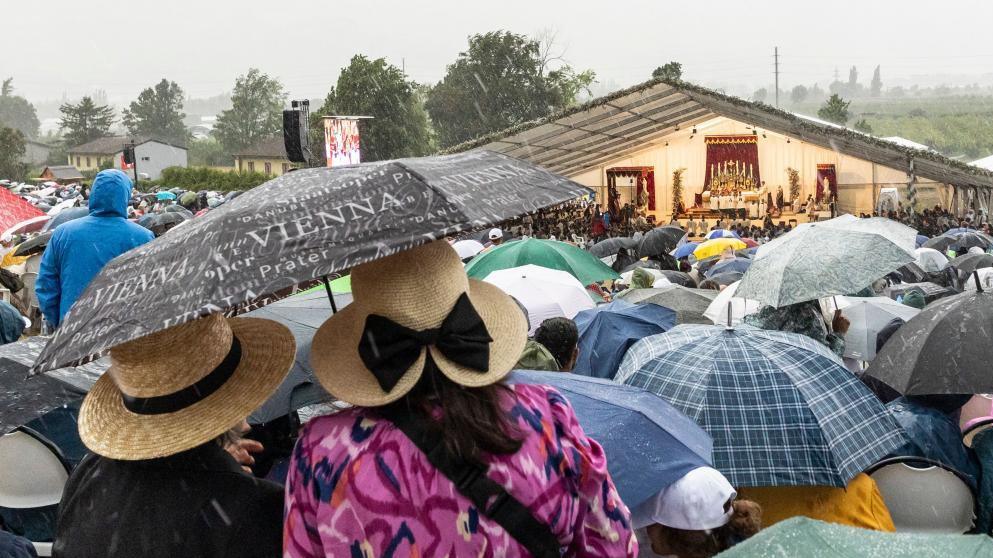
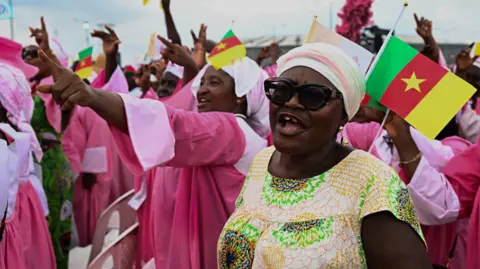
A crowd of roughly 15,000 carried torches, incense, and vigils to a large tent pitched in the parish pastures, where the ceremonial altar stood. The Latin liturgy was recited, the heads of the four candidates lowered before red velvet pillows, and the consecration prayers chanted in a voice that carried the very weight of centuries.
However, a crowd’s reaction to this event has ignited a firestorm of ecclesiastical politics. In 2009, the Vatican excommunicated the four SSPX bishops for their unauthorized bestowal of the office. The new bishops’ future is uncertain: whether they will be accepted or excluded entirely, Pope Leo XIV has not yet issued a definitive excommunication, but his warning that authorities will bring an official “schismatic act” to the justification of a ruination of unity is clear.
The Society’s defiance was simple in words: they declared that they would proceed with the ordination because they love the papacy as a “vicar of Christ.” At the same time, they have extended their modern prayer services across the globe, enabling a live broadcast of the ceremony simultaneously in seven languages, which amplified the event to international attention, providing scrolling iconography that celebrated the new bishops with “Écône2026” commemorative merchandise and Swiss wines with a mitre-shaped label, each bottle priced at $92 (≈£80).
While Pope Leo XIV is centered around his use of authority to ride the tension that may appear like a fragile cross within the unity of the Church, the stakes are enormous: a false evangelizing movement that could faithfully represent the “old” guardians of orthodoxy was born from the unique and continuing persecutions in the world today. The Church’s newest division has already found its followers in 600,000 worldwide adherents, in thousands of “descendants” that might also trace their legacy to the Vatican, and the official refusal to cancel despite the apparent future, seems to foster faith in a potential tragedy or a vanguard of liberation.
At this moment, the drama is still unfolding. The first day’s event pulled a succession of modernization marks against from the reaction of the Vatican’s stance on both the violence and emotional unions that have to be appreciated. The appeal of both the Vatican’s mainstream to many of faithful letters depends on strengthening Catholic leadership.”
(Image Credit: EPA/Shutterstock)