
In brief
At least 77 people lost their lives when a fuel tanker exploded in Niger State, amid rising fuel costs and desperate circumstances.
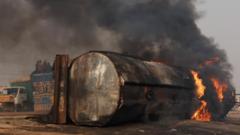
A devastating explosion from a fuel tanker in Suleja, North Central Nigeria, has left at least 77 individuals dead, according to local authorities. The accident occurred after the tanker overturned and leaked its contents, leading many to rush in and collect the spilled fuel. Tragically, the tanker exploded just moments later, resulting in a catastrophic loss of life and injuries to 25 others, including first responders at the scene.Such incidents are not uncommon in Nigeria, where poor road conditions and inadequate vehicle maintenance contribute to frequent fuel tanker accidents. Emergency services confirmed that the injured are being treated in nearby hospitals, as the scale of the tragedy continues to unfold.This incident is part of a concerning trend in Nigeria, where multiple fuel-related disasters have happened in recent months. Just two weeks ago, a similar explosion during a crash in the oil-rich Delta state resulted in at least five fatalities. Earlier in October, over 150 lives were lost when a group attempted to collect leaking petrol.Compounding the situation is the stark rise in fuel prices, which have surged over 400% in the past 18 months due to economic reforms by Nigerian President Bola Tinubu, including the removal of longstanding fuel subsidies. These changes have plunged millions into poverty, forcing desperate individuals to take dangerous risks to procure fuel.While the government asserts that these policies are designed to strengthen the economy in the long run, the immediate impact raises urgent questions about safety and the well-being of Nigerians struggling to cope with escalating fuel costs.