In brief
U.S. District Judge Sara Ellis issued a preliminary injunction protecting peaceful protesters and members of the press in Chicago from excessive force used by federal agents. The ruling comes as part of a lawsuit alleging violations of constitutional rights during an immigration crackdown. The judge emphasized the need for body cameras and specified that agents must provide warnings before employing riot control tactics. The ruling is expected to be appealed by the Trump administration.
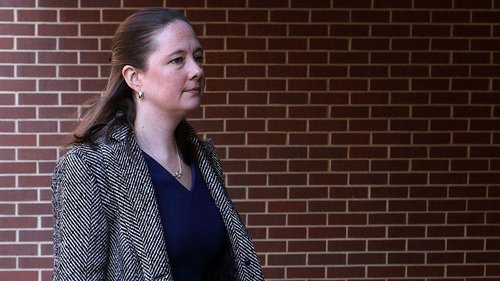
CHICAGO — A federal judge declared on Thursday that federal agents in Chicago must restrict their use of force against peaceful protesters and news media, asserting that current practices violate constitutional rights. U.S. District Judge Sara Ellis's preliminary injunction responds to a lawsuit that accused federal agents of using excessive force during an immigration crackdown in the Chicago area.
Judge Ellis's ruling refines an earlier temporary order requiring agents to wear badges, barring the use of certain riot-control tactics like tear gas against peaceful demonstrators and journalists. After expressing concern over federal officials not adhering to her past directives, she included a requirement for body cameras, asserting the need for transparency.
In her opening remarks, she described Chicago as a vibrant place and challenged claims that it is a hub for violence and rioting. The ruling followed a heated court hearing where both sides disputed accounts of incidents during the immigration enforcement actions that started in September.
“I do not find the defendants’ version of events credible," Judge Ellis stated, emphasizing the impact of the immigration crackdown on community members, including youth organizers. She highlighted testimonies where protesters shared experiences of being targeted by crowd-control measures.
The injunction mandates agents to issue two warnings before resorting to the use of riot control weapons and stipulates that force should only be used if “objectively necessary to stop an immediate threat.” The decision is expected to be contested by the Trump administration, further igniting the debate over law enforcement practices in the region.