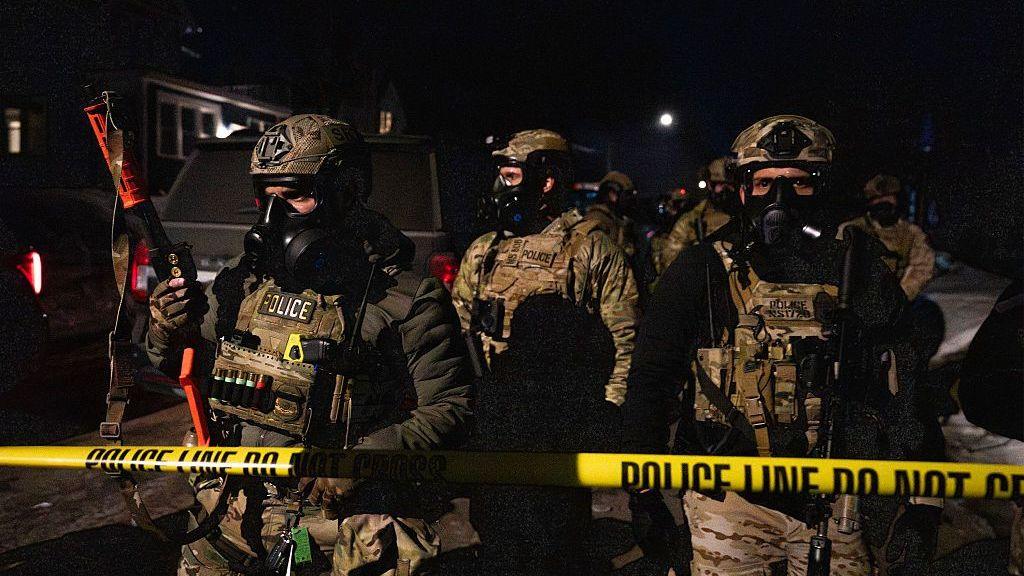
A day after a federal immigration officer fatally shot a woman in Minneapolis, the case escalated sharply Thursday. Federal authorities blocked state investigators from accessing evidence and declared that Minnesota has no jurisdiction to investigate the killing.
The FBI informed Minnesota law enforcement officials that their participation in the investigation would not be allowed, which has legal experts questioning the latitude federal agents have when carrying out their duties and the boundaries of state law.
Local prosecutors are now evaluating their legal options as federal authorities continue to assert control over the case. State officials including Minnesota Gov. Tim Walz have expressed concerns, stating that early federal statements defending the agent risked undermining confidence in the fairness of the investigation.
As tensions rise, Walz has emphasized the importance of federal officials allowing Minnesota to play a role in the investigation to ensure public confidence. The move to distance state investigators from the incident has created a ripple of uncertainty, with many calling for transparency.
Experts assert that there are narrow precedents for state charges against federal officers under the Supremacy Clause of the U.S. Constitution, which could complicate the case if charges are brought.
Furthermore, the absence of cooperation between state and federal authorities may hinder the investigation, leading to calls from local officials to continue probing the incident autonomously.
The legal intricacies surrounding immunity and federal oversight may foil efforts to hold the involved agents accountable, as highlighted by the responses from various experts in response to the incident.
This case, already under scrutiny, reflects broader issues in the intersection of immigration enforcement and local law enforcement, as citizens demand accountability and clarity regarding the use of force.