
In brief
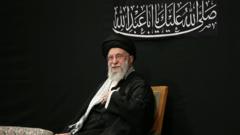
Khamenei's recent public engagement took place on Saturday during a ceremony broadcast by Iranian state television, wherein he expressed gratitude to supporters and urged a senior cleric to lead the singing of a patriotic anthem. This event follows a tumultuous 12-day war with Israel, during which Khamenei largely remained out of the public view, maintaining his presence through video messages. The conflict resulted in significant casualties, including the deaths of top Iranian military and scientific figures, and was marked by a series of retaliatory strikes. As Iran enters a period of mourning for Ashura, Khamenei's re-emergence holds symbolic weight amid the ongoing geopolitical tensions.
Khamenei's appearance on state media has sparked a wave of domestic enthusiasm, with viewers encouraged to share their reactions on social media. His return happens at a time when the nation grapples with the ramifications of military losses and a heightened atmosphere of conflict with Israel and the US. Recent strikes involving US military forces aimed at Iranian nuclear sites further underscore the ongoing volatility in the region. As Ashura approaches, a time commemorating the martyrdom of Hossein, Khamenei's presence at traditional ceremonies is particularly significant, perhaps signaling a bid for national unity during turbulent times in Iran's history.The article text:On Saturday, Iran's Supreme Leader Ayatollah Ali Khamenei made his first public appearance since the outbreak of conflict with Israel, as confirmed by state media outlets. Footage showed Khamenei at a mosque during a ceremony that took place just prior to the Shia Ashura festival, a significant observance in the predominantly Shia Muslim country. Khamenei had previously issued video addresses during the 12-day war, which erupted on June 13 and culminated in a ceasefire.His absence from public life had led to speculation regarding his safety, particularly after reports indicated that the conflict resulted in the deaths of key Iranian military personnel and four top nuclear scientists. Amid Israel's airstrikes targeting Iranian facilities, Khamenei's public engagement symbolizes a return to normalcy for the nation. He was filmed encouraging applause, urging senior cleric Mahmoud Karimi to sing "O Iran," a song that gained prominence during the recent conflicts. Iran's state television devoted extensive coverage to Khamenei's appearance, showcasing supportive crowds and emotional displays of patriotism from viewers. Amid the mourning rituals of Muharram, Khamenei's emergence coincides with this solemn period, known for commemorating the death of Hossein, the grandson of the Prophet Muhammad. The conflict escalated further with US involvement, which initiated strikes on Iranian nuclear sites on June 22. Iran's judiciary reported that over 900 individuals lost their lives, amplifying the stakes of this ongoing geopolitical strife. Khamenei claimed a narrative of victory for Iran despite the war's devastating impacts on its military prestige and resources. The robust militaristic undertones of both Iranian responses and American interventions signal a potentially prolonged confrontation in the region.