The International Criminal Court (ICC) has announced a breakthrough in its investigation of war crimes in Sudan’s Darfur region. Deputy Prosecutor Nazhat Shameem Khan told the BBC that the court now holds concrete evidence linking Rapid Support Forces (RSF) leaders to the massacres in el‑Fasher and el‑Geneina.
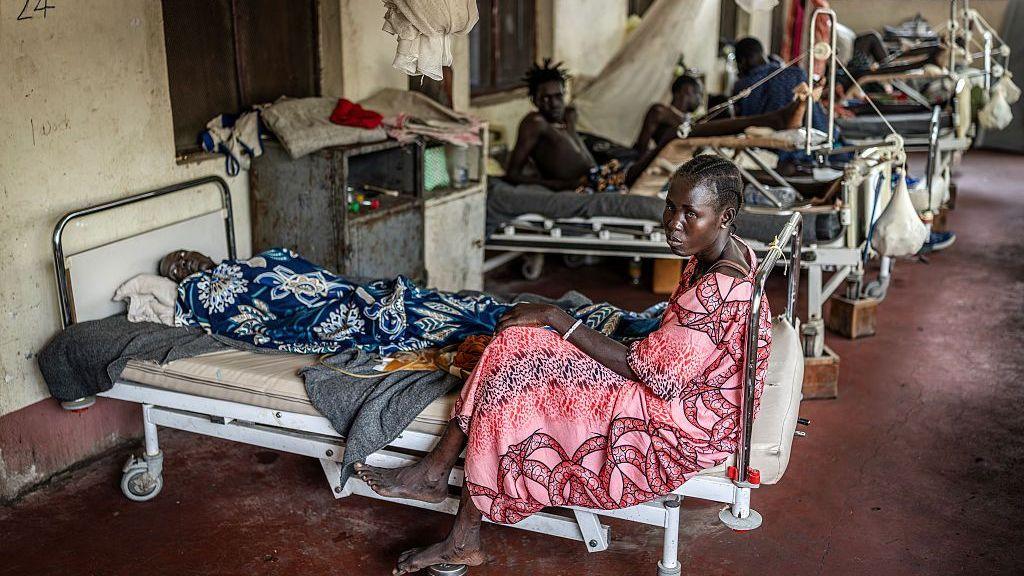
The RSF, a paramilitary group that once cooperated with Sudan’s army, seized el‑Fasher in October 2025, killing more than 6,000 civilians and committing widespread sexual violence. The UN labels the violence as genocide and the RSF is suspected of carrying out a similar atrocity in el‑Geneina.
“It may take time for justice to develop, to be brought to the court, but we will get there,” Khan said, adding that RSF leaders have also been linked to crimes against humanity. She emphasized that no exact timeline has been given for prosecutions, but said that the case now has “concrete evidence” that can be translated into charges against specific persons.
According to a UN fact‑finding mission released Wednesday, most of the systematic attacks on civilians in Darfur were carried out by RSF fighters, often targeting people on ethnic grounds. The report also documented rape, gang rape, and sexual slavery reported by refugees who fled el‑Fasher.
Previous ICC investigations into Darfur’s violence have led to seven arrests and six cases at the Hague, including the conviction of Janjaweed commander Ali Muhammad Ali Abd‑Al‑Rahman for 27 counts of war crimes and crimes against humanity. Sudan’s former President Omar al‑Bashir has also been charged but remains at large.
Sources within the RSF maintain they are investigating alleged atrocities, and the group has denied widespread claims of ethnic targeting. Meanwhile, the UK’s Human Rights Ambassador warned that other Sudanese towns, such as El‑Obeid, could face similar violence.
For deeper context on Sudan’s conflict, visit these BBC Africa resources: ’Our job is only killing’ – how Sudan’s brutal militia carried out a massacre, and ’I saw bodies dumped in Sudan mass grave’.