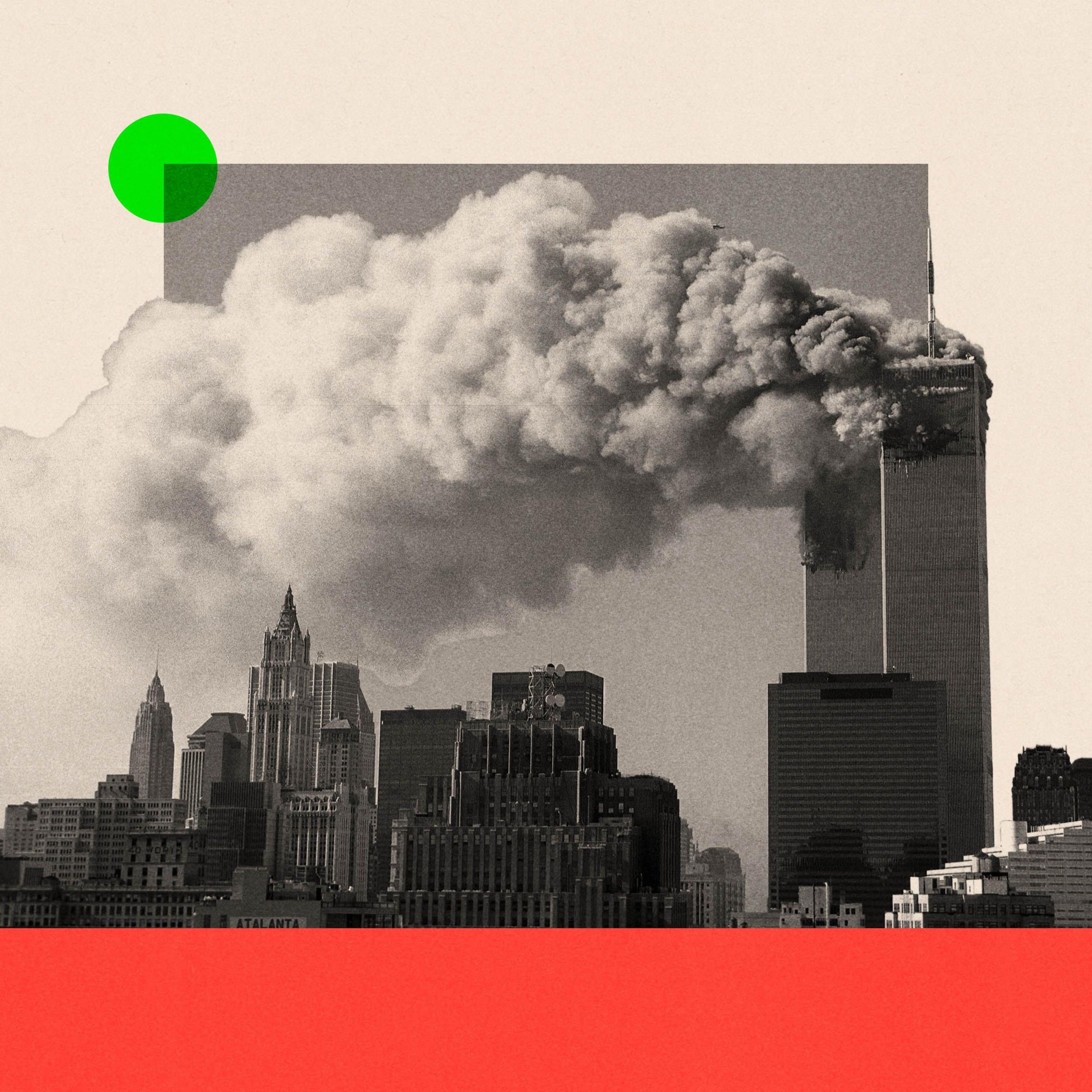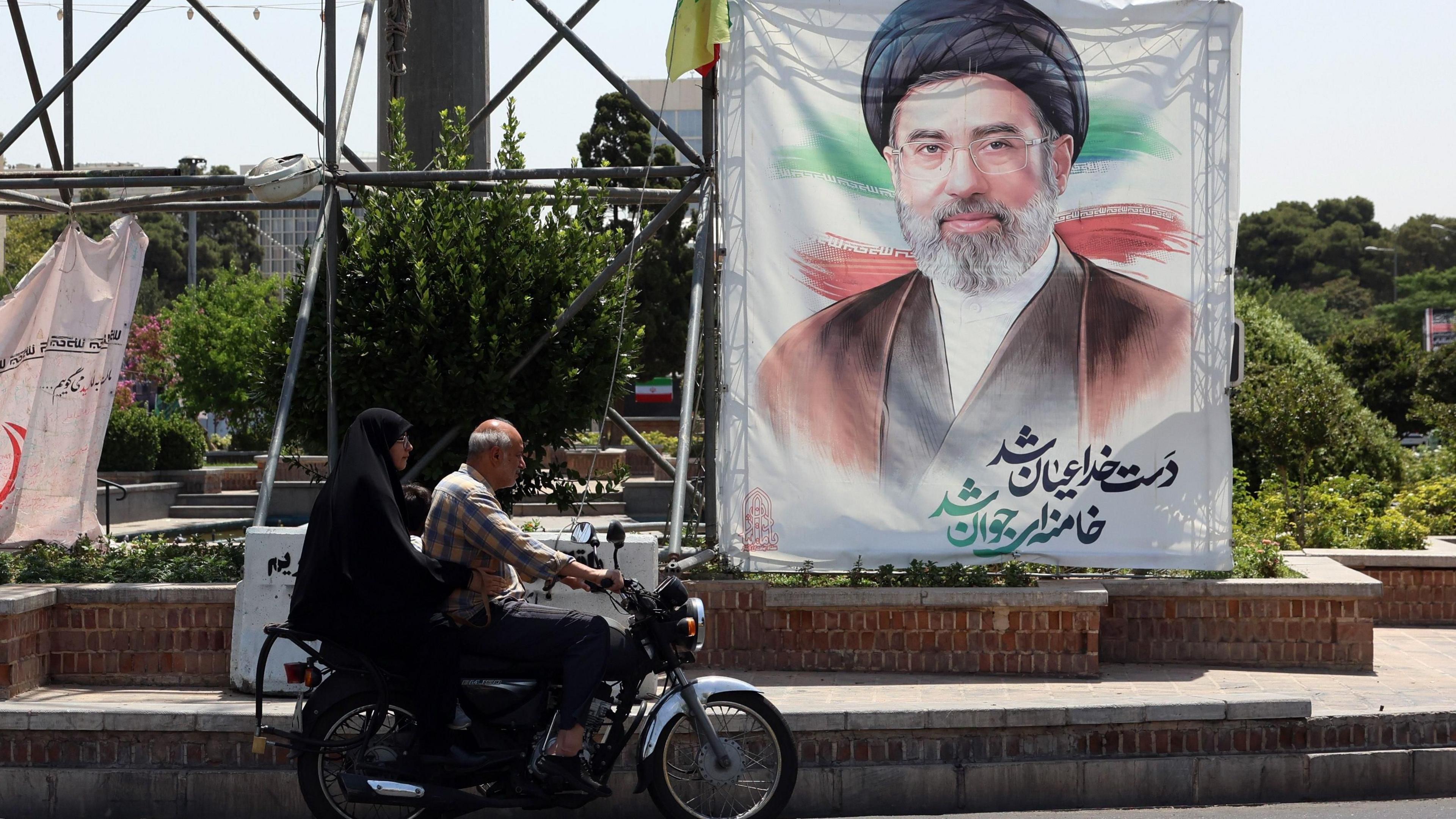
Iran’s Supreme Leader Mojtaba Khamenei has vowed revenge for the death of his father, former Supreme Leader Ali Khamenei, killed in a US–Israeli airstrike on 28 February.
The statement, read aloud on state television, marks Khamenei’s first public appearance since funeral rites began earlier this week. He asserted that “the will of the nation” demands vengeance and pledged to “avene the blood of the martyred leader and all the martyrs of these two wars from the criminal and disgraced killers.”
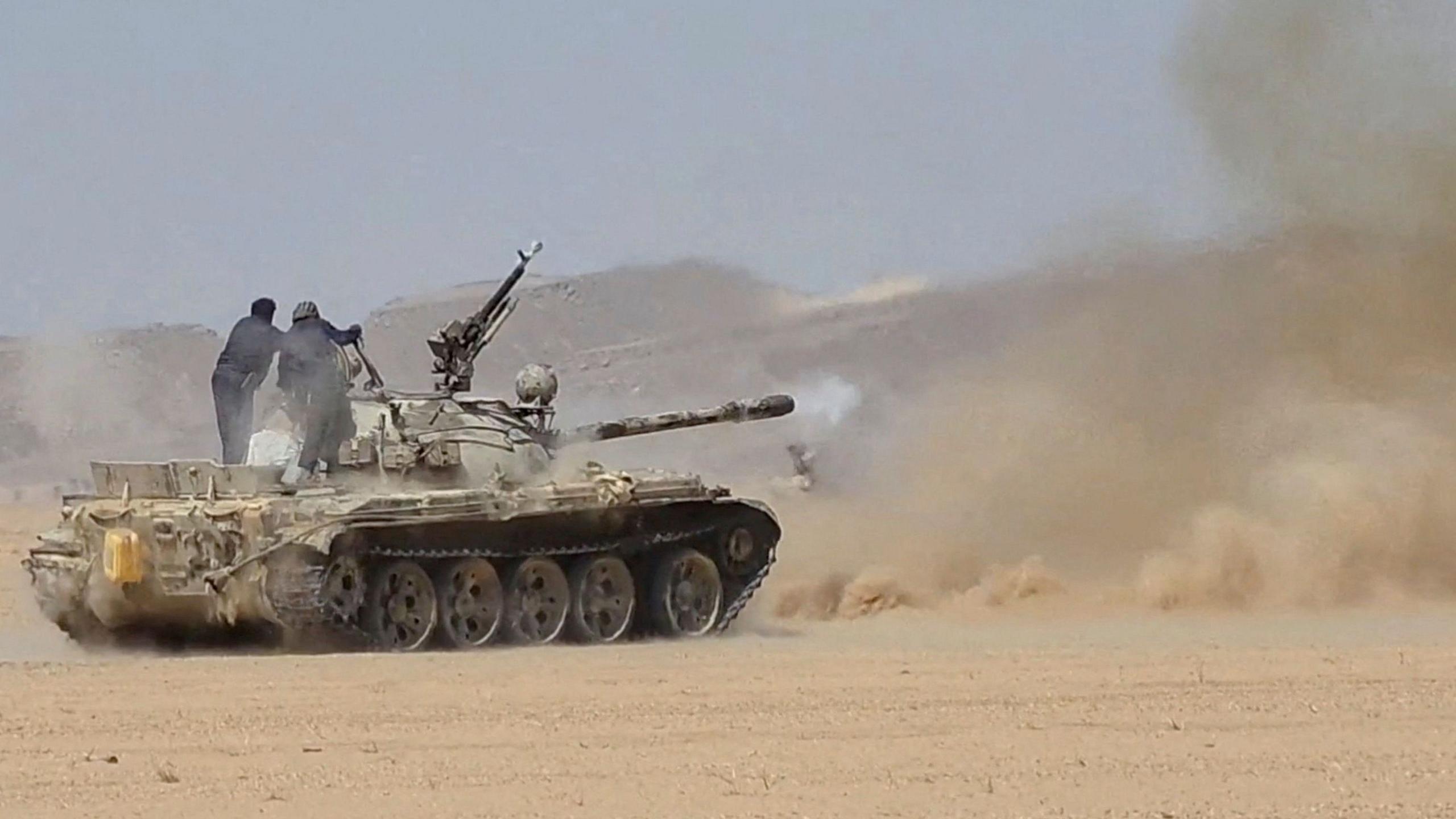
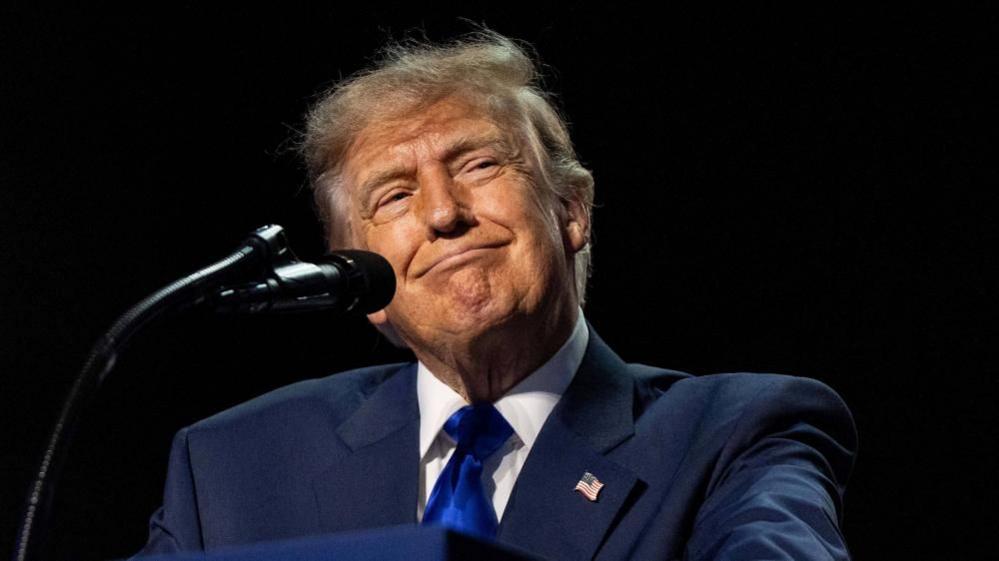
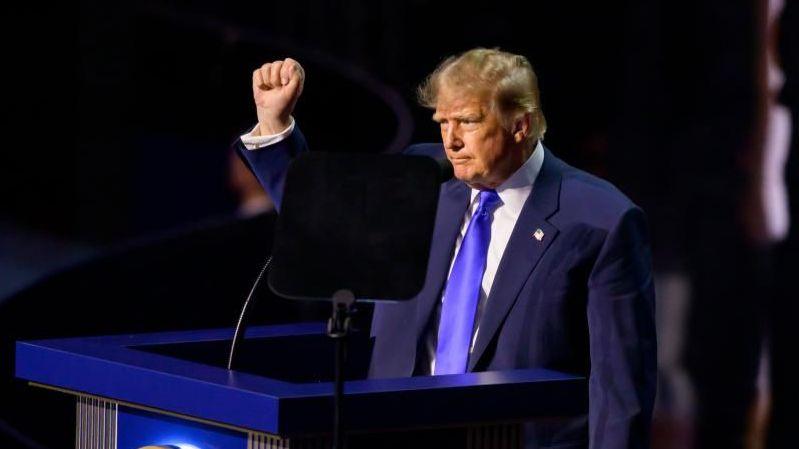
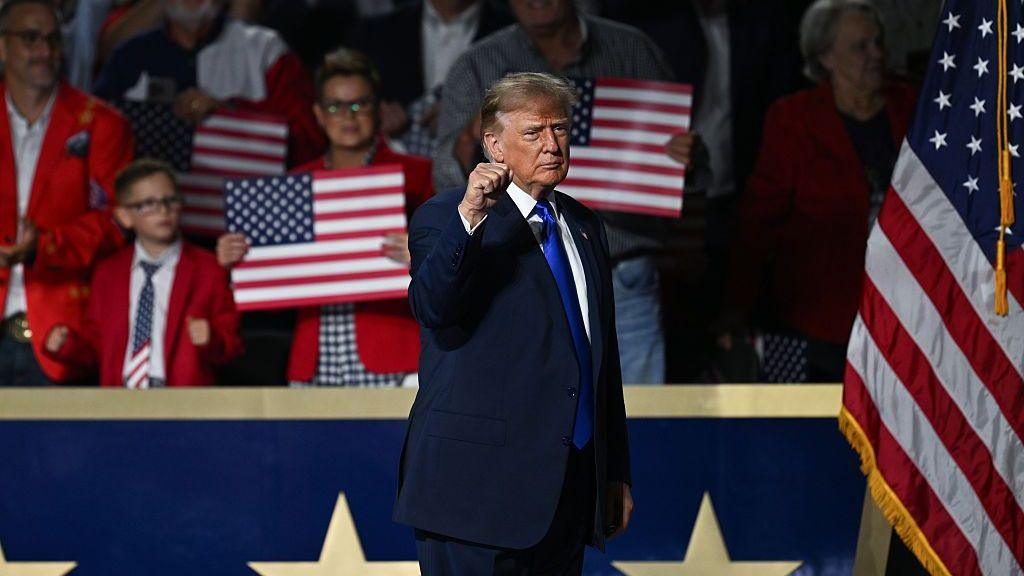
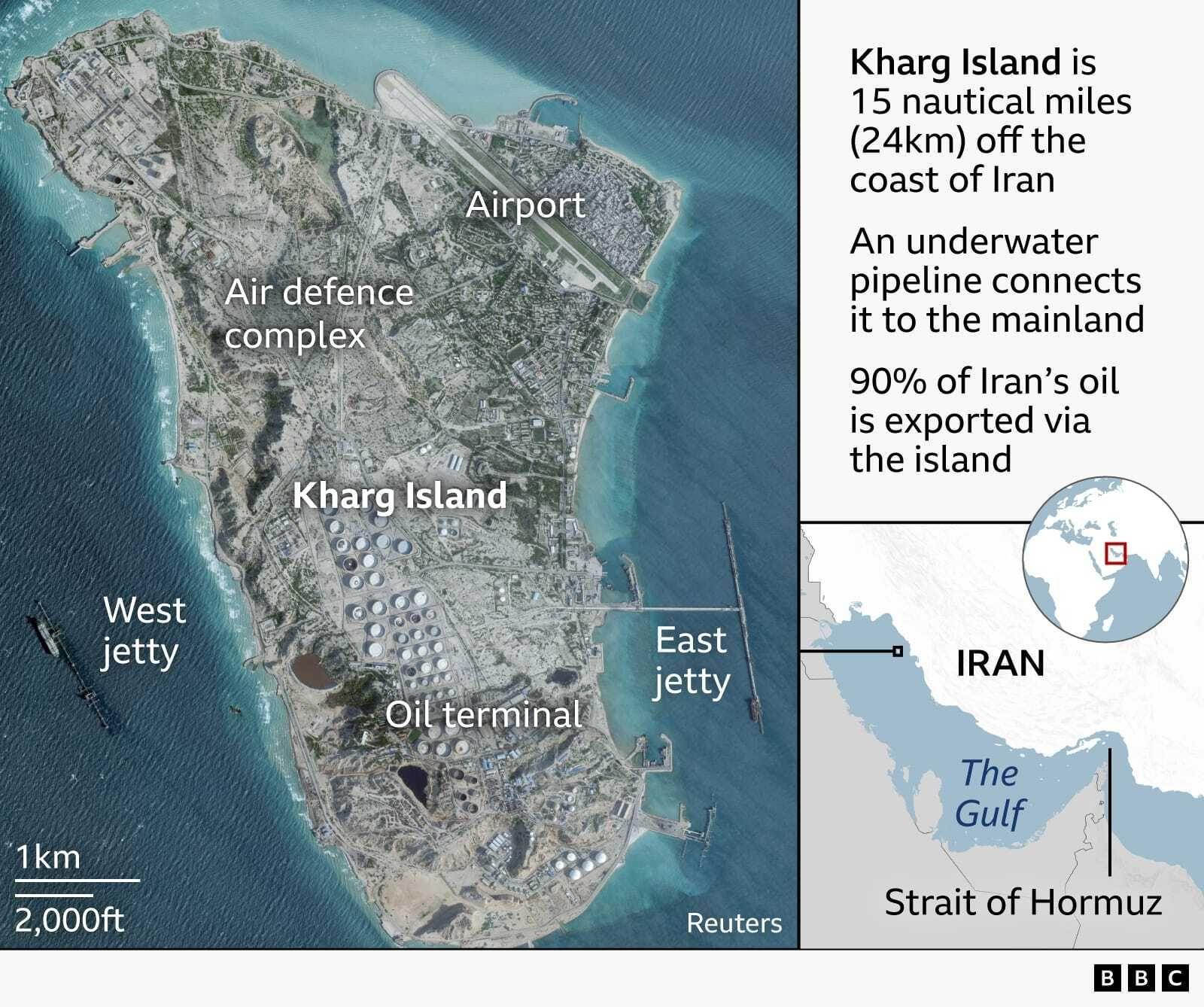
Family candles, red flags and placards etched with Arabic text at funeral processions in Mashhad called for the assassination of US President Donald Trump, who warned the United States that any retaliation would see “all areas of Iran**” decimated and destroyed. These rallies came amid growing tensions after Iranian forces opened fire on the US‑recommended Hormuz transit route and struck three commercial tankers, prompting a stream of US strikes that killed 17 people and injured 115, according to Iranian officials.
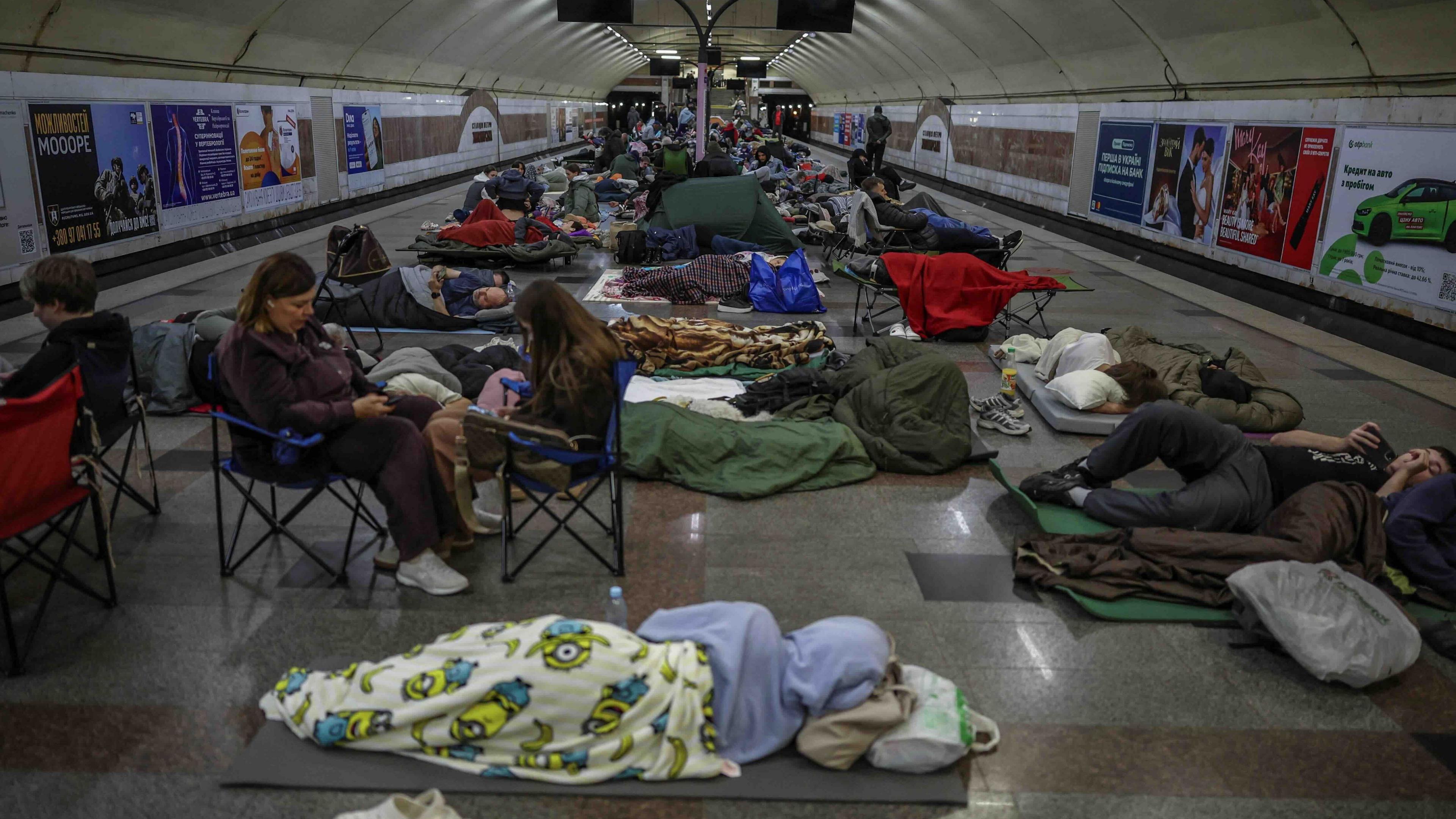
The war erupted on 28 February after the US and Israel launched a series of attacks; Iran retaliated with strikes on Israel and US targets, escalating hostilities across the Gulf. A ceasefire agreement signed in June aimed to facilitate talks, but the recent escalation has undermined the process, with President Trump announcing the ceasefire’s termination, while US officials insist negotiations will continue.
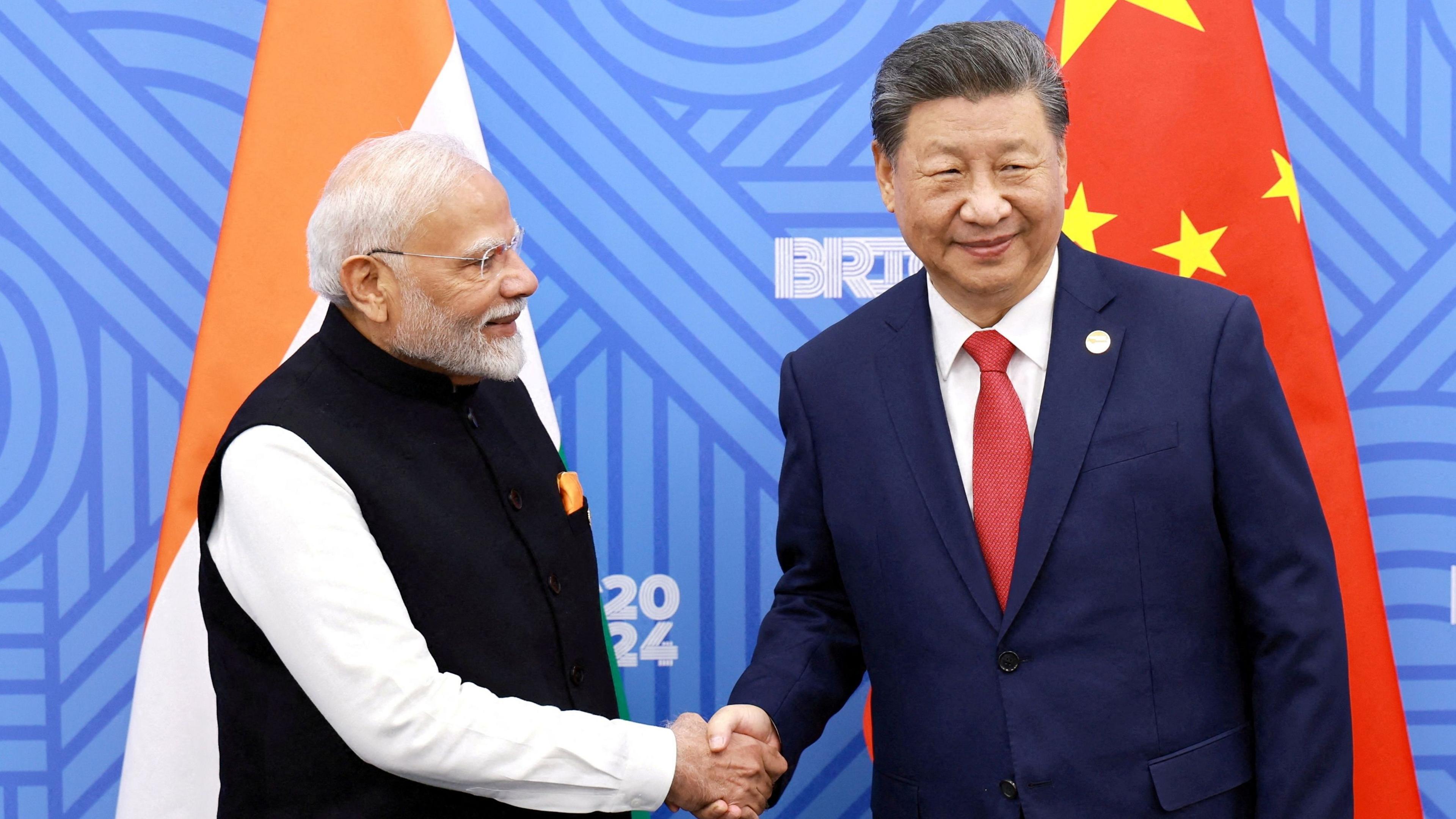
As diplomatic efforts stall, the United Nations and international maritime groups warn that the Gulf’s critical humanitarian and commercial routes remain at risk, particularly the Strait of Hormuz—a vital passage for global oil shipping.