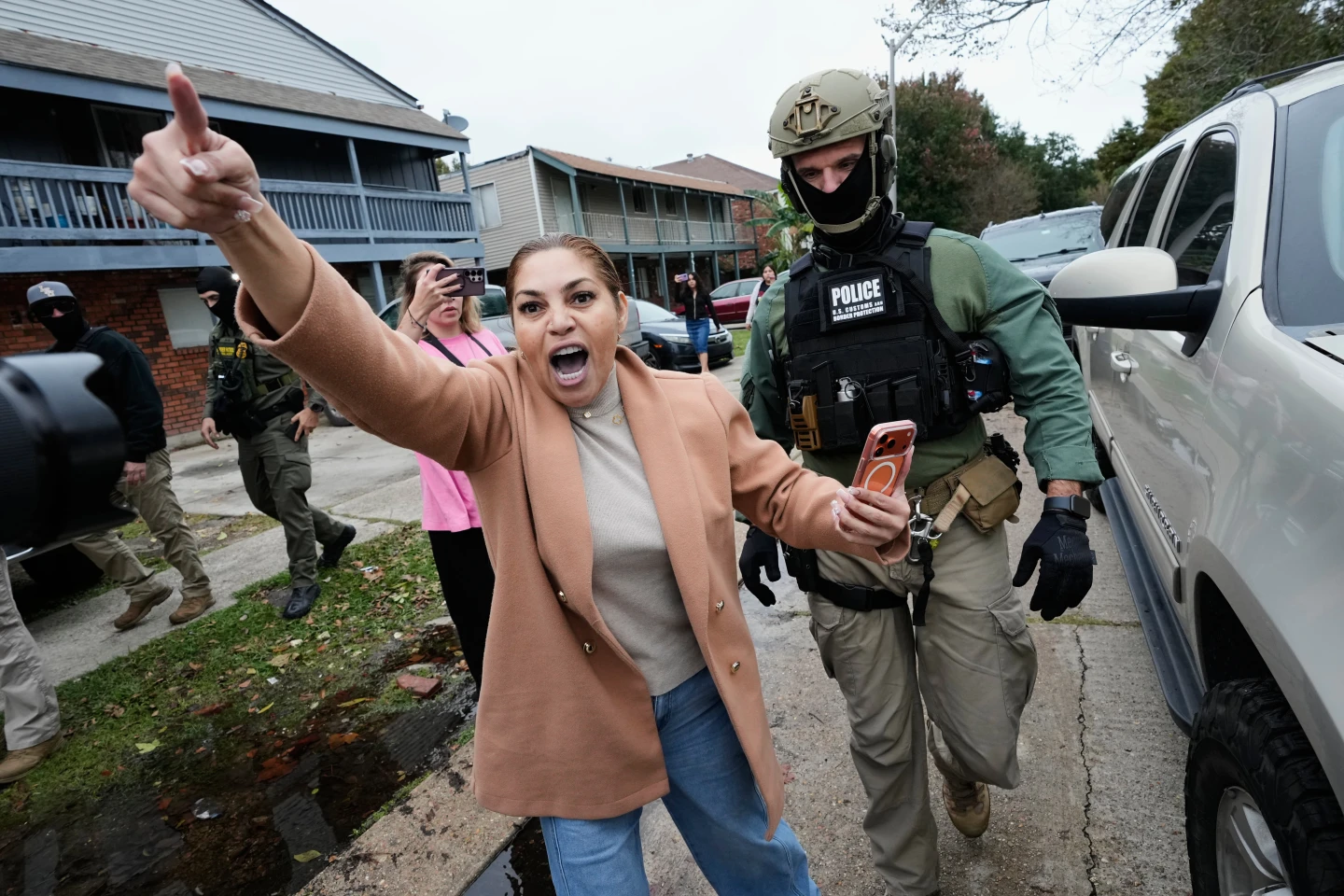
CHICAGO (AP) — A judge’s blistering 223-page opinion has offered striking new details from body camera footage about agents’ use of force during a federal immigration crackdown in the Chicago area dubbed 'Operation Midway Blitz.'
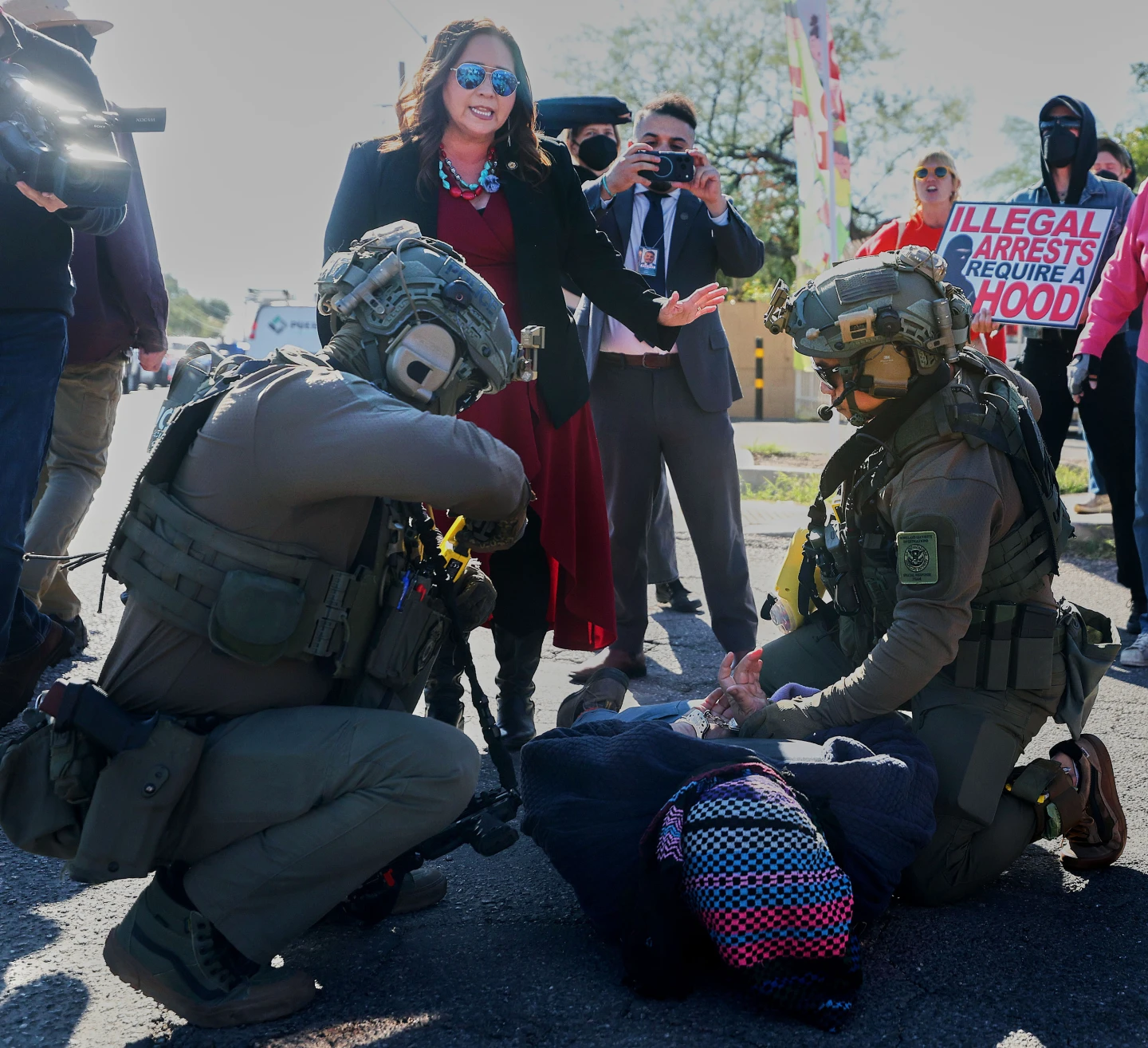
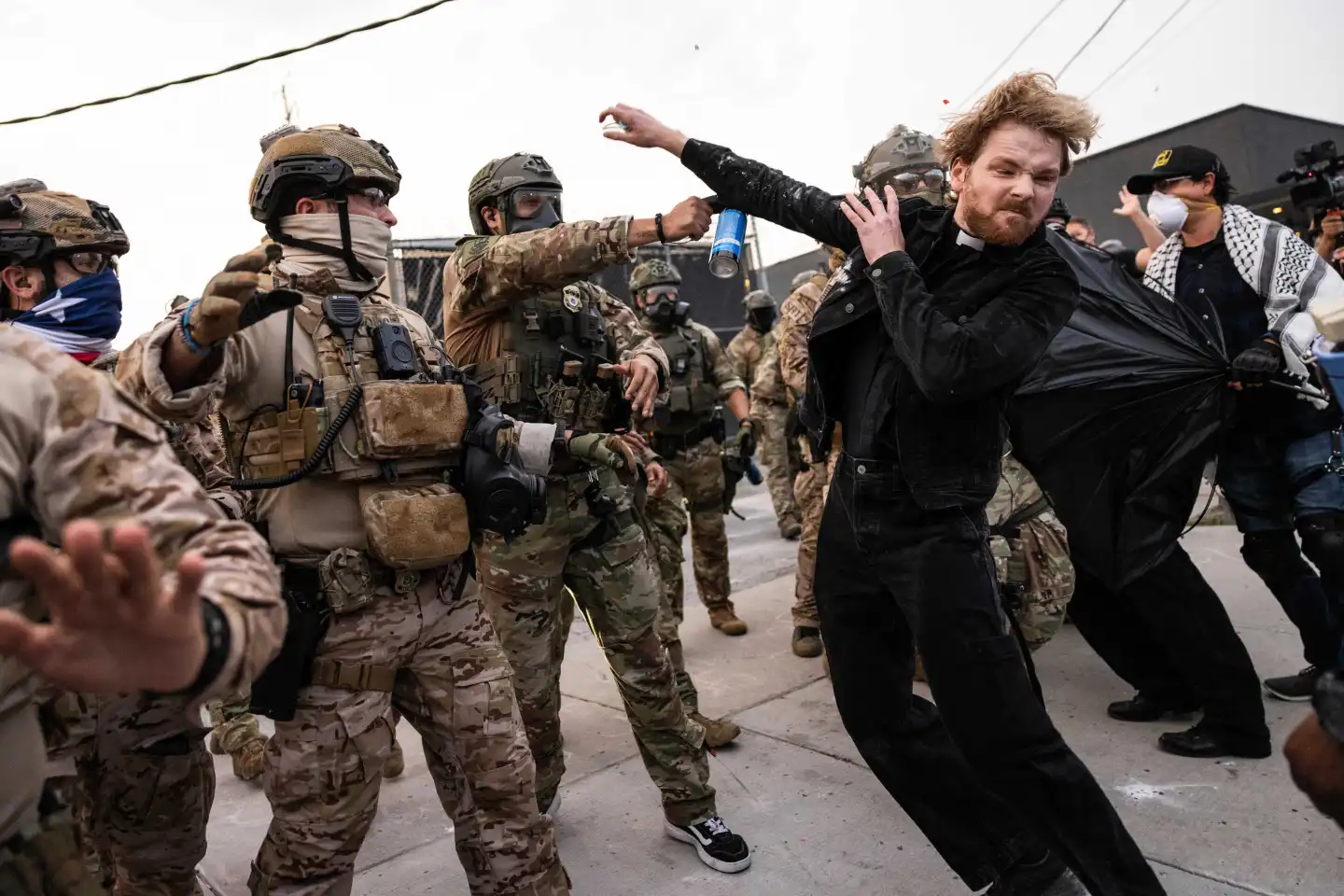
U.S. District Judge Sara Ellis’ opinion recounts numerous clashes between federal agents and protesters, relying heavily on body camera footage to challenge the federal government’s narratives. It describes scenes of agents using tear gas without warning, aiming rubber rounds at reporters, and laughing as blood oozed from a demonstrator’s ear, calling these incidents a stark contrast to official accounts.
Ellis expressed surprise at federal officials directing her to videos which later showed agents violating her orders regarding the use of force. The opinion details Ellis’ findings leading to a preliminary injunction issued earlier this month, stemming from a lawsuit by news outlets and protesters alleging excessive force was used during the crackdown that has resulted in over 3,000 arrests since September in Chicago and its suburbs.
Among her orders, Ellis restricted the use of physical force and chemical agents except under imminent threat, denouncing current practices for violating constitutional rights.
Judge Ellis criticized the apparent indiscriminate use of force evidenced in her review of body camera footage, revealing agents deploying munitions without warnings, shooting flash-bangs at fleeing protesters, and displaying a cavalier attitude towards those affected. Notably, one agent remarked about 'gassing' protesters as they left, reflecting a troubling mindset among the officers involved.
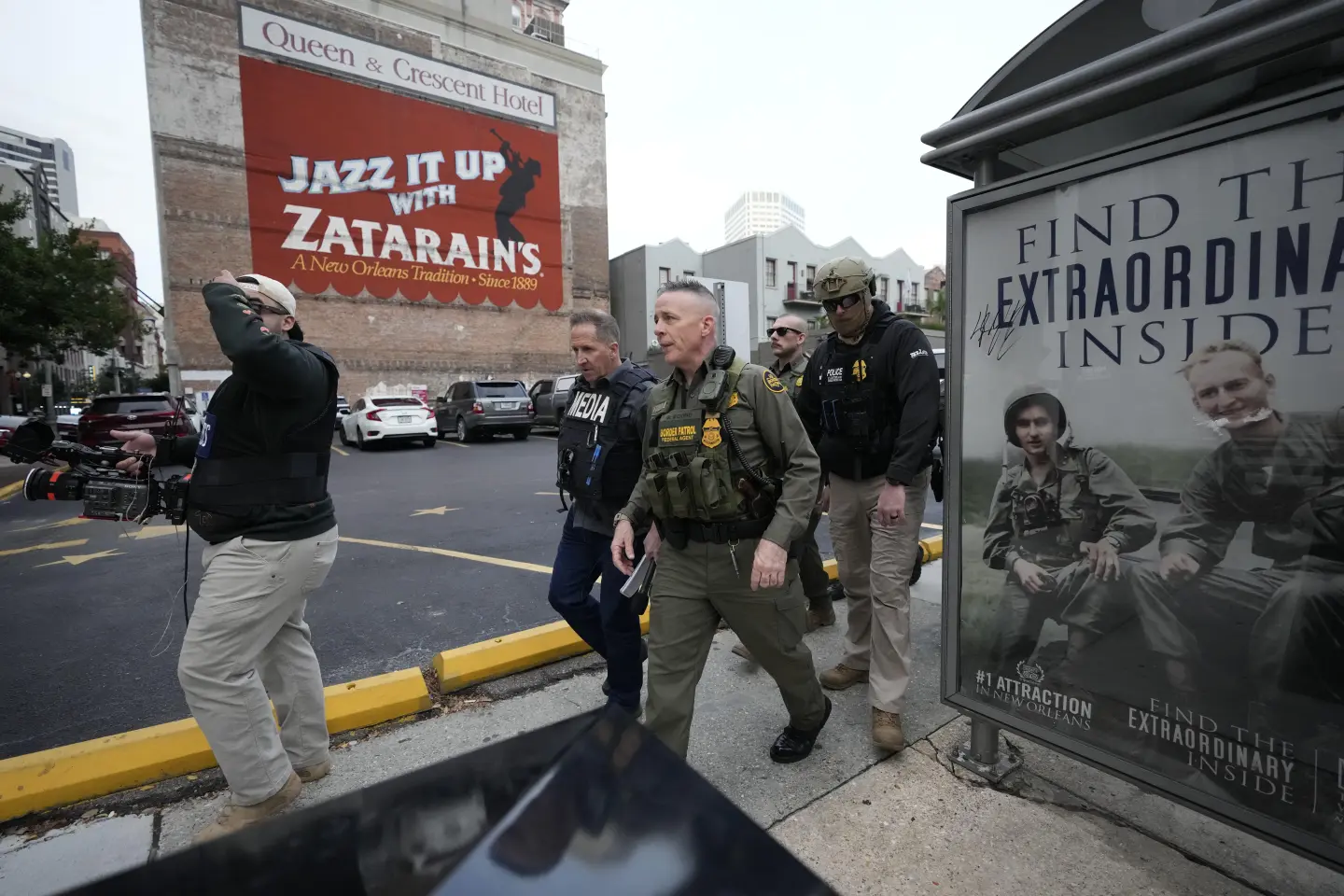
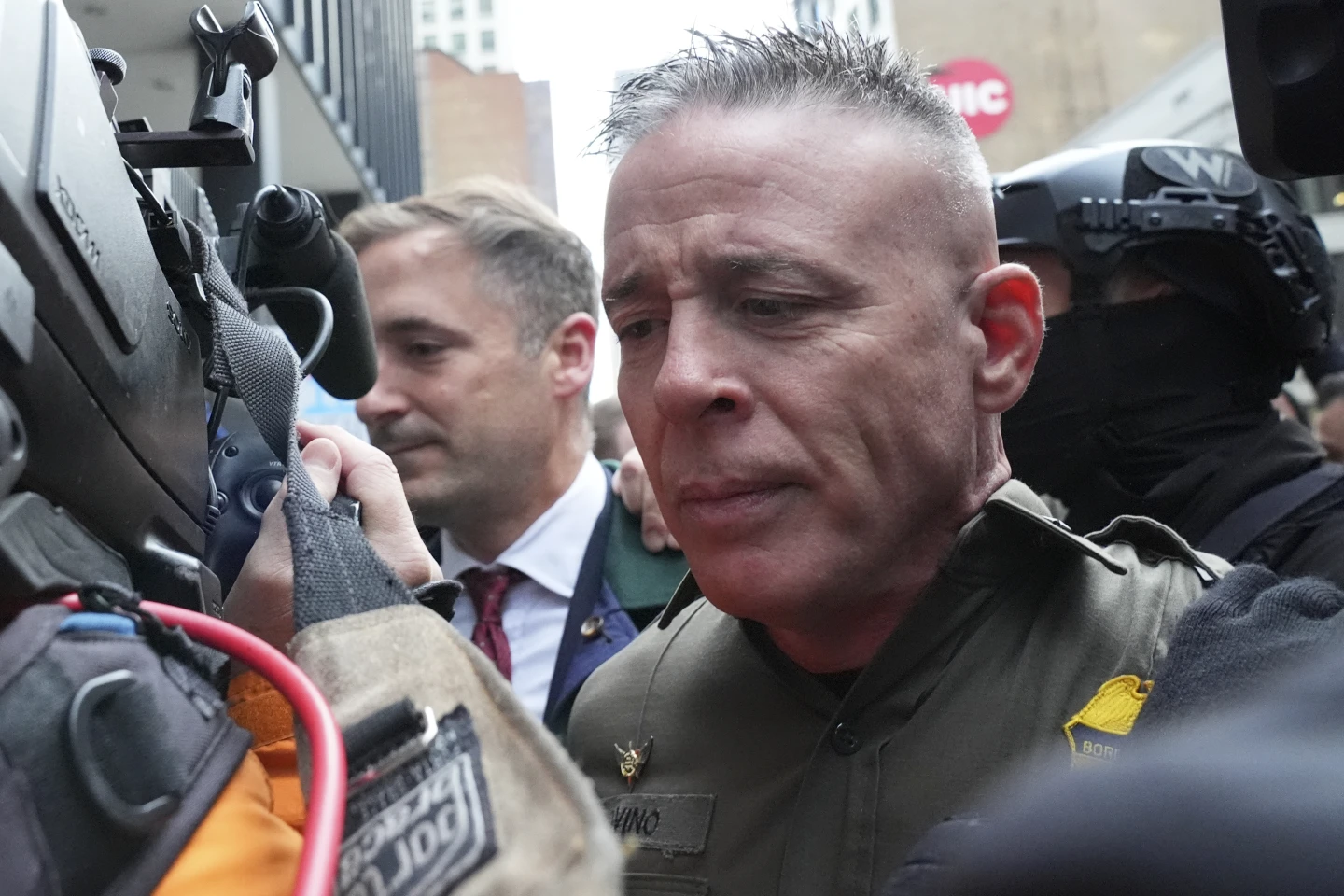
Ellis also admonished Greg Bovino, a senior U.S. Border Patrol official, for being evasive during testimony, emphasizing that video evidence contradicted his claims about the operations. These revelations have raised serious questions about the credibility of the federal government's narratives regarding the events in question.
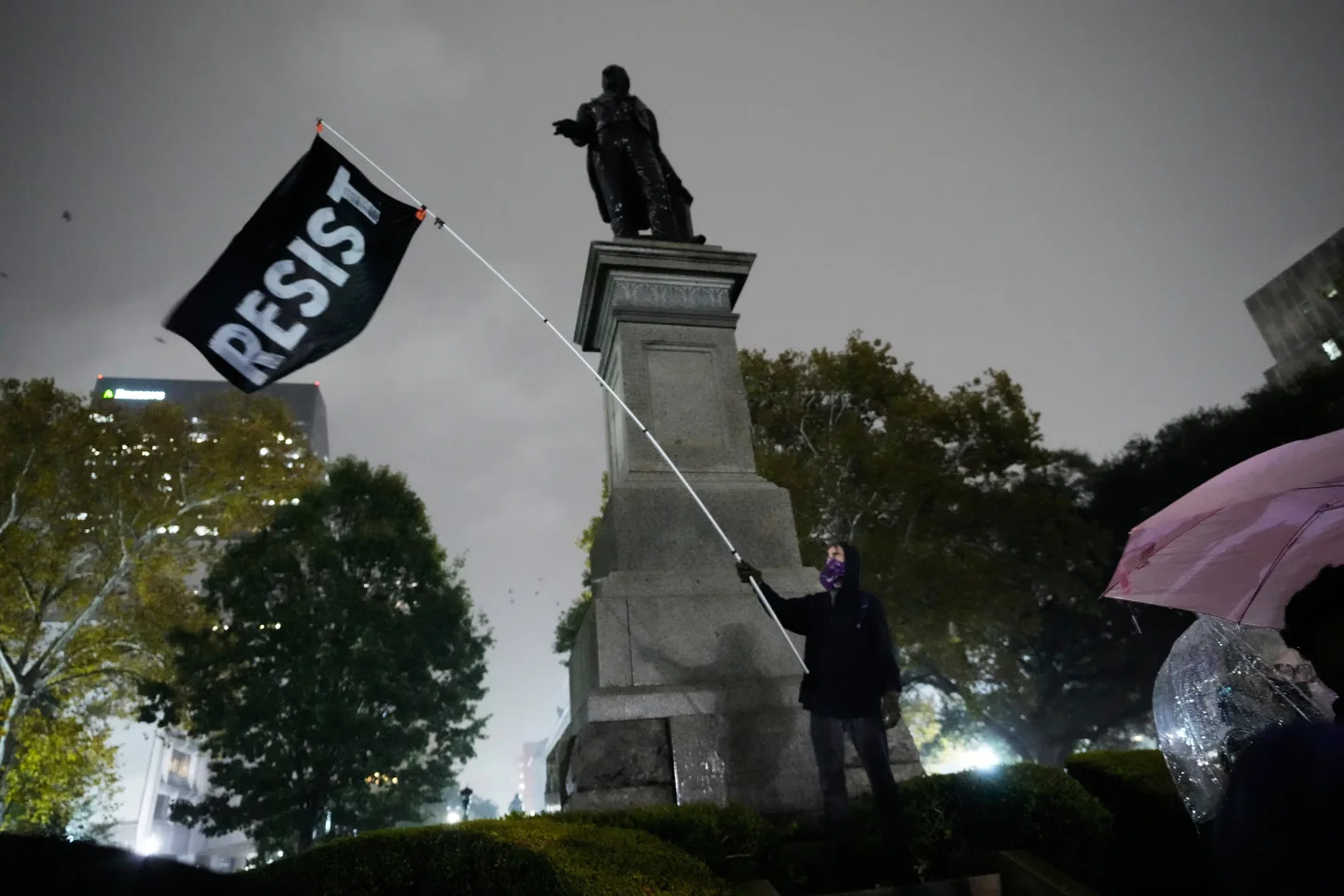
The opinion paints a contrasting portrait of Chicago, highlighting community members documenting law enforcement activities and protesting against perceived injustices. Ellis's portrayal stands in stark opposition to federal attorneys, who likened the scene to one 'ransacked by rioters.'
As discussions regarding a federal appeals court's temporary halt to her order unfold, Ellis underscores the urgent need for improvements in federal conduct regarding immigration enforcement, ensuring the protection of journalists and protesters' rights amidst a charged environment.