NEW YORK (AP) — The recent release of documents by the Justice Department concerning Jeffrey Epstein has sparked new debates about accountability. The trove of documents, although extensive, does not provide crucial insights into Epstein's crimes or the investigation's internal workings.
Key documents purportedly held by the FBI, including interviews with survivors and internal memos examining charging decisions, were conspicuously absent. These omissions have led to growing unease regarding how Epstein managed to secure a plea deal in 2008 that limited his punishment for serious offenses.
The latest disclosure, mandated by recent congressional action, also fails to reference several influential figures linked to Epstein, reviving scrutiny about the fairness of the investigation and the selective nature of public disclosures.
Among the few highlights was an explanation of how the Justice Department abandoned a crucial investigation in the 2000s, inadvertently facilitating Epstein’s guilty plea to a minor state charge, along with the revelation of a previously unseen 1996 complaint against him regarding missing photographs of children.
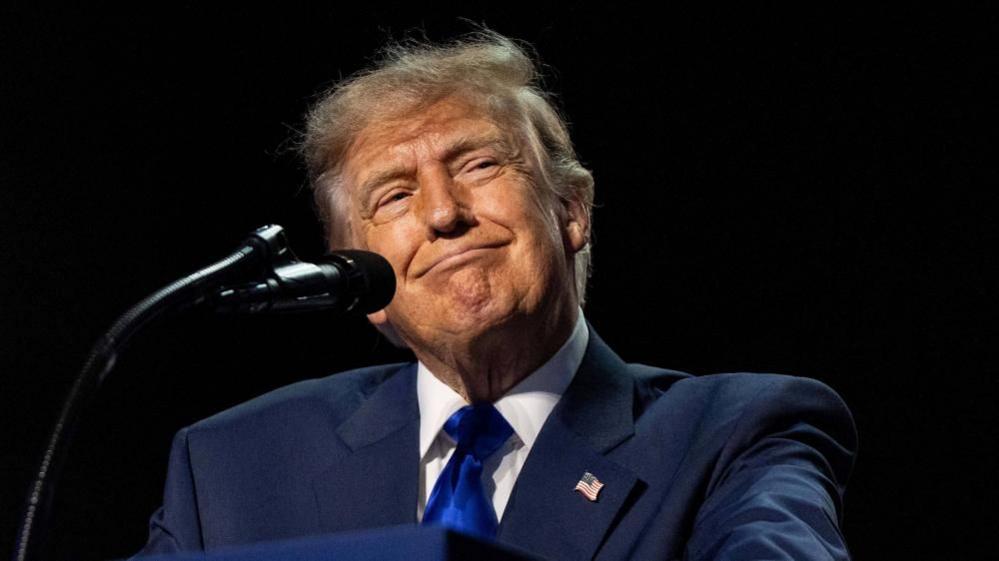
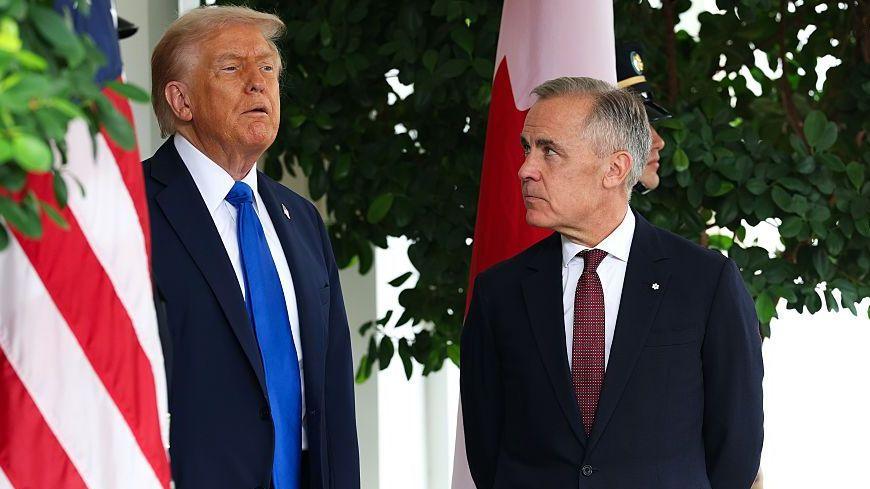
A significant portion of the released materials focuses on images of Epstein’s residences and celebrities who associated with him, including fleeting photographs of Bill Clinton and Donald Trump, each of whom has distanced themselves from Epstein since his arrest. However, no accusations against either politician surfaced from the released documentation.
Despite a Friday deadline set by Congress for the release of these documents, the Justice Department plans to continue rolling out more documents, citing the need to redact sensitive information. This decision has caused frustration among Epstein's accusers and members of Congress advocating for transparency.
Some survivors, like Marina Lacerda, expressed feelings of betrayal, stating that the Department of Justice has failed to deliver the justice they sought after a lengthy struggle for accountability. The narrative surrounding Epstein has yet to be fully uncovered, with many crucial records still pending public scrutiny.
In 2019, Epstein faced federal sex trafficking charges but committed suicide in jail before the trial. The documents released to date represent a mere fraction of what could potentially be millions of pages regarding Epstein and his accomplice, Ghislaine Maxwell.
As public interest remains high, the lack of contextual details in many documents, along with heavy redactions, raises concern that a fuller understanding of Epstein's network and the federal response may remain elusive.