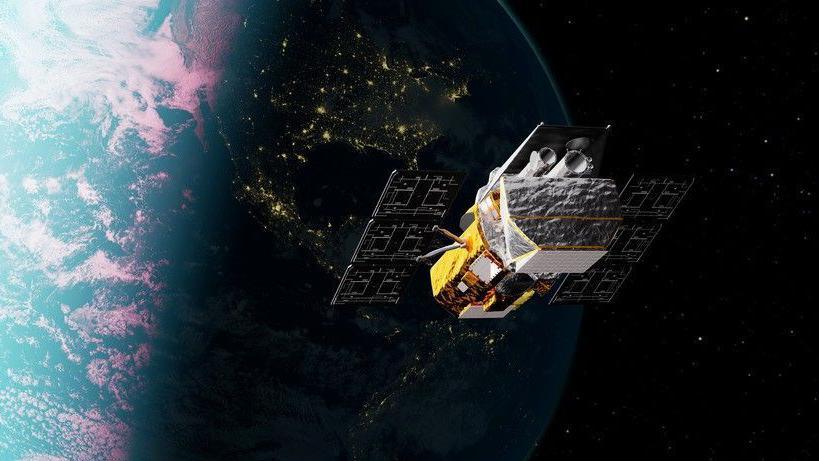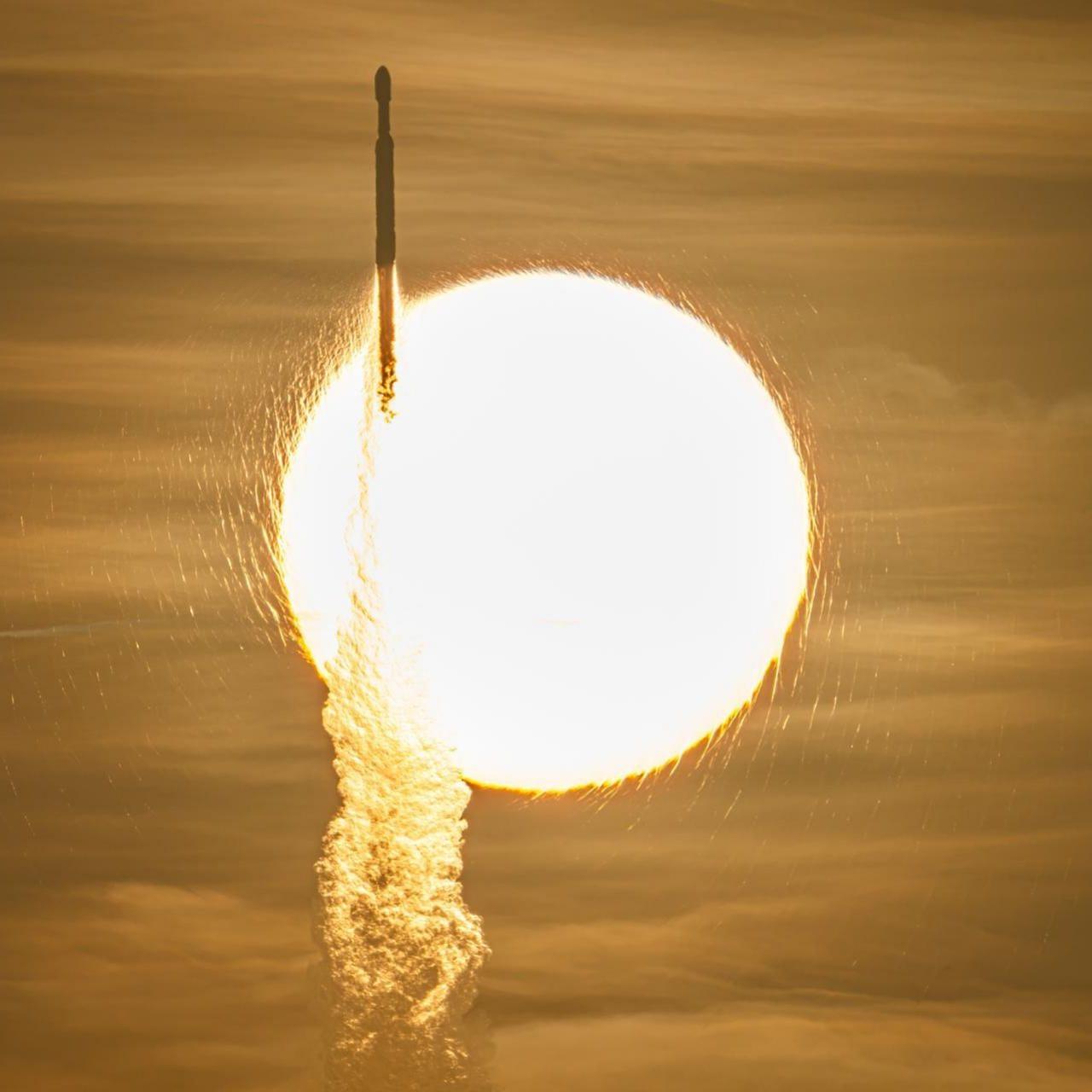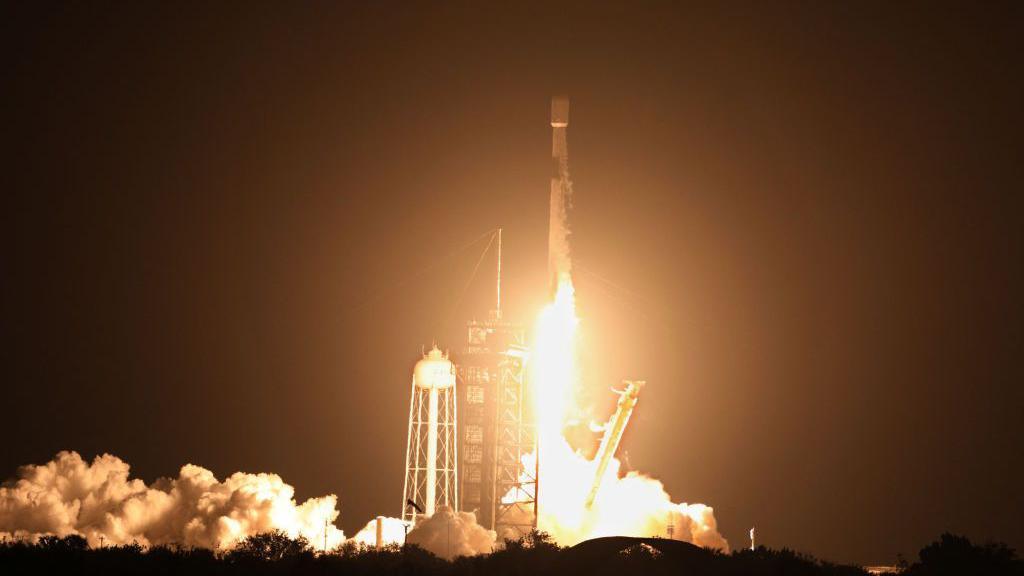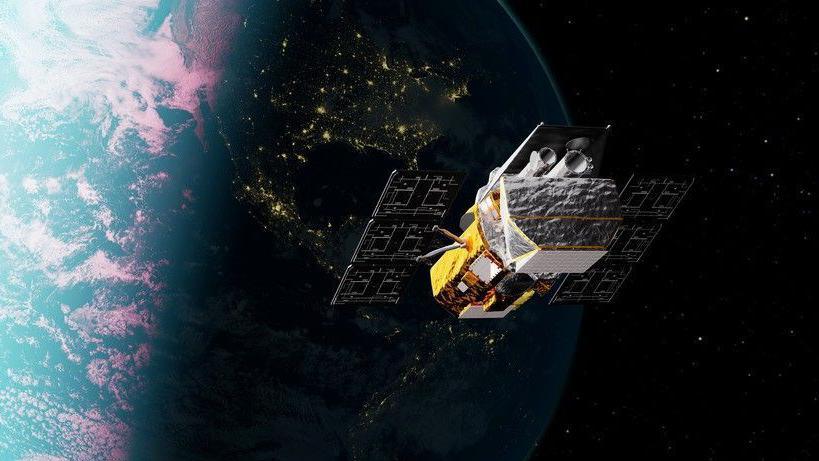
NASA’s latest rescue mission is unfolding this week. The newly launched LINK spacecraft, a three‑armed robot created by Katalyst Space Technologies, is racing to intercept the Swift observatory as it drifts toward a dangerous low‑orbit zone.
Swift, a gold‑coloured telescope that has chased gamma‑ray bursts since 2004, has slipped from its original 600‑km orbit to only 360 km. Solar activity has puffed the upper atmosphere, so drag forces are gradually sinking Swift. If it drops below ~300 km, the telescope will plummet and be lost to the atmosphere.
LINK has just eight months to get in, latch onto Swift, and boost it to a more stable orbit. Its three versatile arms, guided by high‑precision cameras, will do a slow rendezvous, capture the aging spacecraft, and then fire thrusters to lift Swift upward.
The mission is a first for any commercial company launching an in‑orbit repair craft. Katalyst’s chief executive, Ghonhee Lee, said the team “designed, built, tested and integrated a robotic spacecraft in less than nine months.”
Success could mean a new era of on‑orbit servicing for aging satellites, including the possibility of rescuing the iconic Hubble Space Telescope. For now the world watches as fingers press countdown buttons and watch telemetry streams in real time.