
In brief
In a significant policy shift, Nepal has decided to abolish its waste deposit scheme for climbers on Mount Everest. After 11 years and the collection of more than 50 tonnes of waste, the initiative failed to yield tangible results, prompting authorities to explore new measures. The previous system required climbers to pay a refundable deposit contingent on returning with at least 8 kg of waste, but it largely only involved lower camps. Future efforts will include a non-refundable clean-up fee designated for better waste management and monitoring on the mountain.
A scheme to encourage climbers to bring their waste down from Mount Everest is being scrapped - with Nepalese authorities telling the BBC it has been a failure.
Climbers had been required to pay a deposit of $4,000 (£2964), which they would only get back if they brought at least 8kg (18lbs) of waste back down with them.
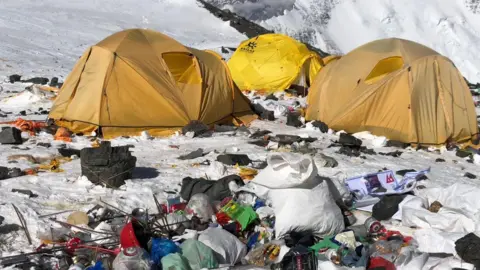
It was hoped it would begin to tackle the rubbish problem on the world's highest peak, which is estimated to be covered in some 50 tonnes of waste.
But after 11 years - and with the rubbish still piling up - the scheme is being shelved because it 'failed to show a tangible result'.
Himal Gautam, director at the tourism department, told the BBC that not only had the garbage issue not gone away, but the deposit scheme itself had become an administrative burden.
Officials noted that most deposit money has been refunded over the years - suggesting most climbers did manage to bring back their trash, but predominantly from lower camps rather than the higher camps where waste issues are more severe.
The authorities revealed that future measures would include a non-refundable fee from climbers to fund ongoing clean-up efforts, with the intention of implementing stricter monitoring and improving overall waste management on the mountain through a new five-year clean-up action plan.
This decision comes amid growing concerns over the environmental impact of increased climber traffic on Everest, emphasizing the urgency for effective waste management strategies in the region.