In brief
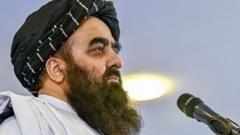
In an unprecedented move, Russia has become the first country to formally acknowledge the Taliban's authority in Afghanistan, as Foreign Minister Amir Khan Muttaqi hailed the development as a pivotal moment for international relations. This recognition, conveyed by Russia's ambassador Dmitry Zhirnov during a meeting in Kabul, opens doors for potential bilateral cooperation amidst ongoing concerns about human rights under Taliban governance. Reactions from various international players will be pivotal in shaping the future of Afghanistan amid this evolving geopolitical landscape.
In a significant diplomatic breakthrough, Russia has become the first state to officially recognize the Taliban government's authority in Afghanistan. During a meeting on Thursday in Kabul, Afghanistan's Foreign Minister Amir Khan Muttaqi described the move as a "courageous" decision. The Russian ambassador, Dmitry Zhirnov, articulated this recognition as a step towards fostering positive relations characterized by mutual respect and engagement. Muttaqi expressed optimism that this shift would serve as a model for other nations, as the Taliban has been lobbying for international recognition and investment since regaining control in August 2021, despite ongoing reports of human rights violations. Russia's foreign ministry emphasized that the recognition could spark "productive bilateral cooperation," particularly in sectors such as energy, transportation, agriculture, and infrastructure. Additionally, Moscow plans to continue assisting Kabul in combating terrorism and drug trafficking.Historically, Russia kept its embassy open in Afghanistan after the Taliban takeover in 2021, signaling its intent to maintain dialogue for regional security and economic interests. It was the first nation to sign an economic agreement with the Taliban in 2022 for the supply of essential resources. The group was delisted from Russia's list of terrorist organizations earlier this year, signifying a potential shift towards a closer partnership with Kabul.While Russian President Vladimir Putin has referred to the Taliban as an "ally" in the fight against terrorism, the international community has largely condemned the Taliban's governance, particularly regarding its harsh enforcement of Sharia law, severely restricting the rights of women and girls. The United Nations has criticized these measures, labeling them as "gender apartheid."Amidst this complex scenario, the Taliban government continues to face extensive sanctions from the United Nations Security Council, including the freezing of around $9 billion in Afghan assets. With Russia now acknowledging the Taliban, it stands apart from countries like China, the UAE, Uzbekistan, and Pakistan, which have established diplomatic missions in Kabul but have not yet given formal recognition to the Taliban administration.