Pope Urges Europe to Take Stronger Action on Migrants During Lampedusa Visit
Pope Leo XIV visited the small Italian island of Lampedusa, home to a makeshift migrant reception centre, to deliver a message of compassion and urgency to European governments.
During a Mass and series of meetings with migrants, officials and aid workers, the pontiff called for integrative policies that combine immediate rescue efforts with long‑term plans for reception, protection and integration. He also urged support for the communities that often drive people to risk the perilous sea crossing by improving economic and social conditions at home.
The Pope’s remarks followed the European Union’s introduction of tougher migration rules that give authorities broader detention powers and stricter border controls. This tightening of policies has seen the EU and several member states such as Italy and the United Kingdom push harder against undocumented migration.
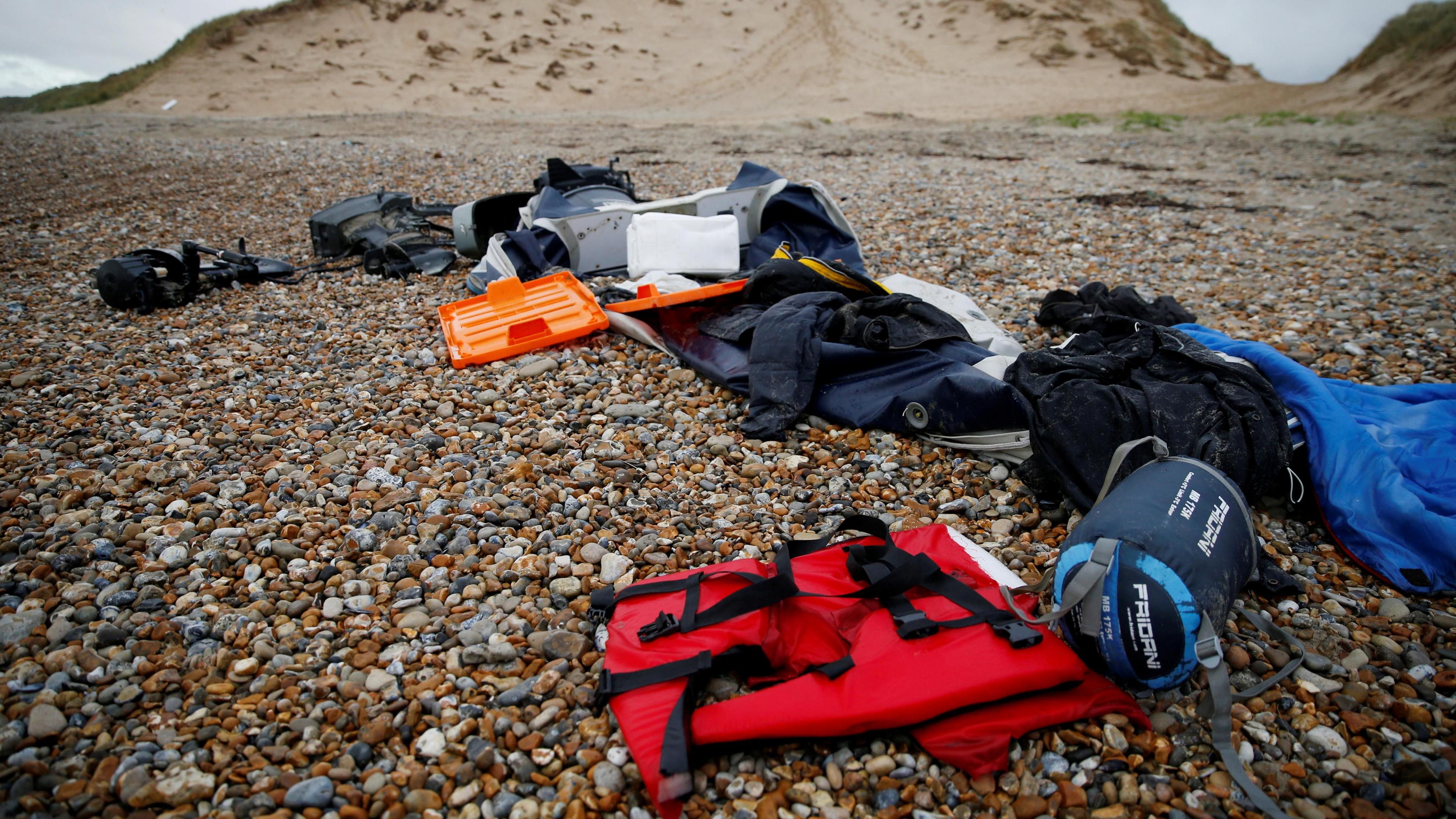
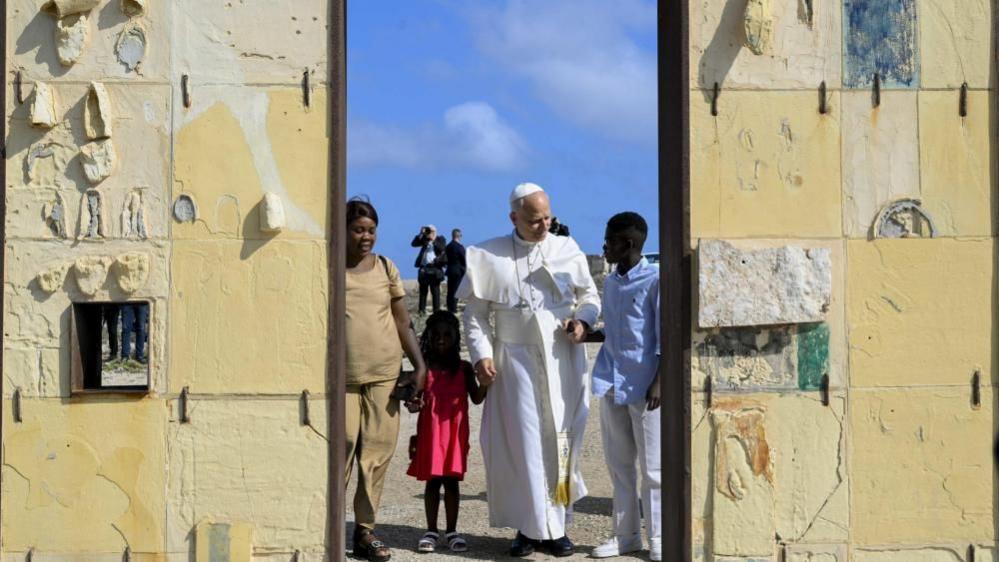
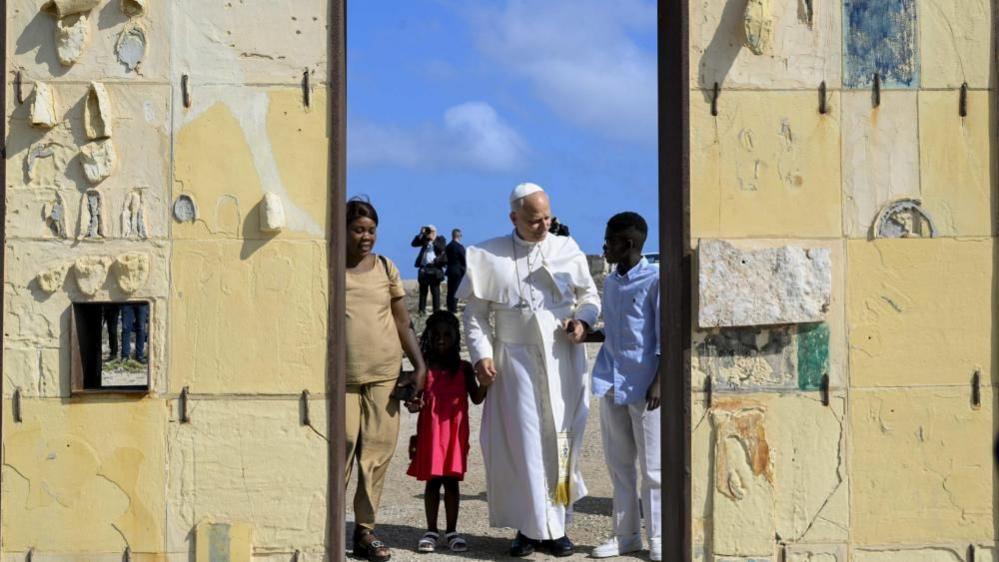
The island’s cemetery and the “Gate of Europe” monument were focal points for the visit, where the pontiff paid tribute to the migrants lost at sea, stressing that their deaths are a result of both decisions that were taken and decisions that were not taken.
The Pope also interacted with a migrant family, reinforcing the idea that genuine welcome is more than rhetoric – it is action. A regional mediator, who arrived on Lampedusa in 2015, noted that the Pope’s presence underlines that every migrant story is recognized and that humanity is in practice.
Historically, the pontiff has conflicted with US President Donald Trump over the latter’s anti‑immigration stance, calling that position “inhuman” and stressing the Catholic duty to safeguard all human dignity.
With the fate of many migrants still uncertain and numbers rising each year, the Pope’s message in Lampedusa marks a clear call to Europe to broaden its strategy: giving immediate relief while working towards durable solutions that prevent the need for perilous journeys across the Mediterranean.