In brief
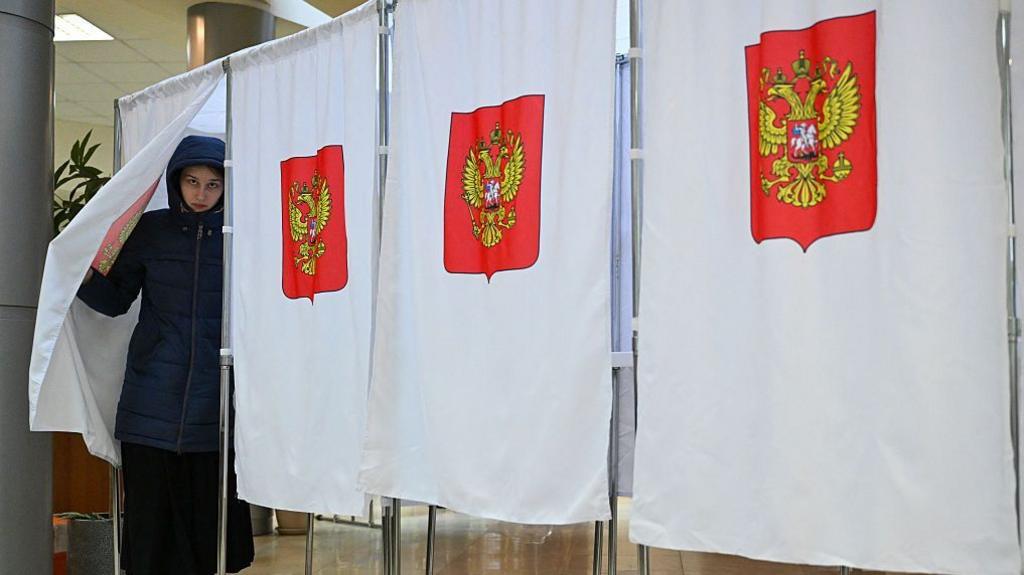
After a tightly‑controlled parliamentary vote that brought the highest number of United Russia MPs ever, Prime Minister Vladimir Putin reaffirmed his determination to press forward against Ukraine. The government’s rhetoric frames the conflict as a European war on Russia, while foreign minister Sergei Lavrov warns that the West’s support for Kyiv will force Moscow to step up its own hybrid and conventional attacks. Analysts note that under Karaganov’s influence, the Kremlin is considering further escalation—including nuclear options—if European aid does not wane. Even as Russia faces battlefield setbacks and economic strain, the new parliamentary majority lets Putin double down on a full‑scale invasion.
When Putin stepped into the Kremlin’s parliament on Wednesday, the cheers he received were about to be amplified by an unexpected political tide.
The fall‑off “Special Election Operation,” as Russian media have called the September vote, has produced a State Duma that eclipses all prior majorities for United Russia. The ruling party now controls more seats than ever, giving Moscow a propaganda‑rich mandate to march on Ukraine.
But how will that mandate shape the days ahead? In an interview after his opening address, President Putin said nothing indicated a pause in the so‑called “special military operation.” He reiterated confidence that Russia could secure a decisive victory, even as it endures heavy battlefield losses and economic pressure.
In the weeks since, the Kremlin has amplified its hybrid war narrative. Foreign Minister Sergei Lavrov, who confronted the BBC on the same day that a German air‑space incident involving a drone surfaced, declared: “What Europe calls support for Kyiv is the very war Europe is waging against us.” Lavrov warned that continued backing would push Russia to “leverage conventional and, ultimately, nuclear force.”
Sergei Karaganov, chief strategist, echoed that sentiment. In a briefing, he said, “If Europe does not stop assisting Ukraine, we will have to consider nuclear options. The first strikes would be conventional; the second, unreversible.” The Kremlin’s rhetoric, thus, looks to quiet European allies by intimidation, not military conquest of NATO states.
The upcoming Valdai Club session is seen as a crucial barometer. Politicians and analysts alike expect Putin to lay out any strategic changes, though early indications point to sustained escalation rather than deescalation.
As global tensions climb, the reinforced State Duma, propaganda framing, and hard‑line foreign policy suggest that Moscow is firmly locked into a path of continued warfare in Ukraine—regardless of diplomatic, humanitarian, or economic costs.