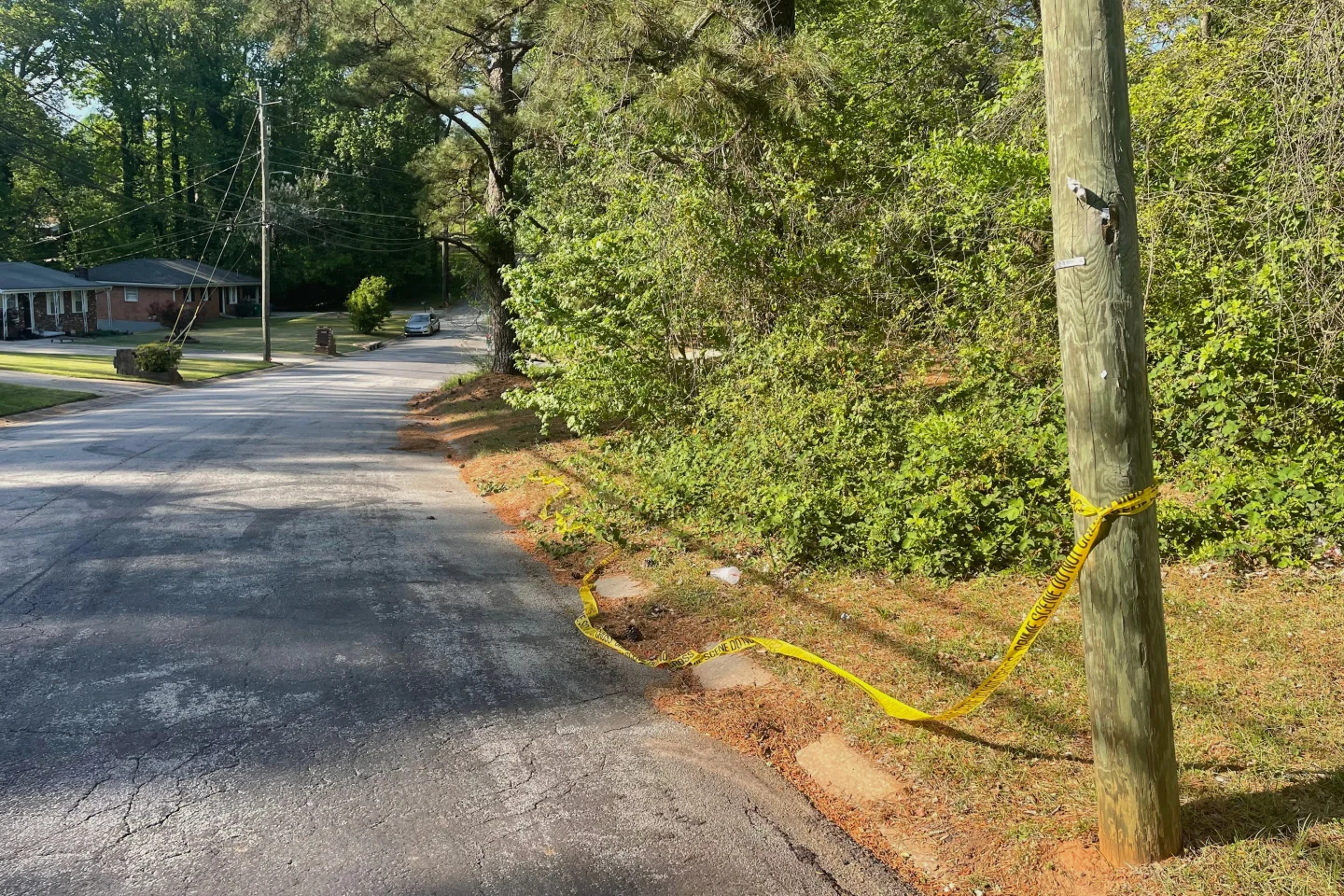
Olaolukitan Adon Abel, accused of a string of shootings near Atlanta that resulted in three fatalities, including a Department of Homeland Security employee, was found dead in his jail cell on Tuesday evening. The 26-year-old was discovered unresponsive by staff at the DeKalb County jail; despite receiving medical assistance, he was later pronounced dead.
The cause of Abel's death remains undetermined but authorities do not suspect foul play, initiating an internal review to ascertain the circumstances. Abel had been charged with multiple serious crimes including malice murder and aggravated assault following the violent events of last week. He also faced federal charges related to the illegal possession of a firearm due to prior felony convictions.
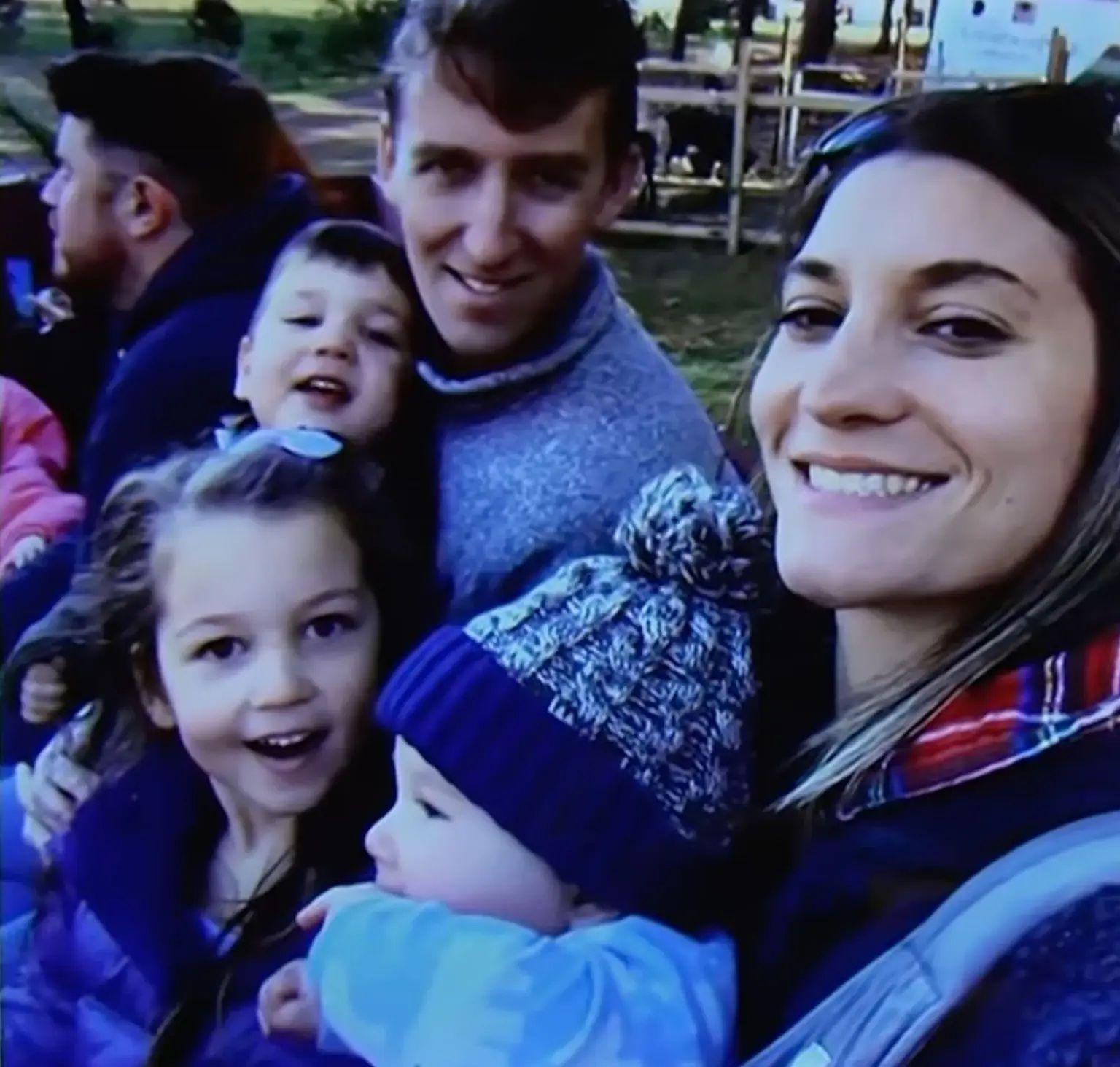
Victims of the shootings included Prianna Weathers, 31, and Lauren Bullis, 40; both lost their lives in what has now been characterized as a senseless act of violence. An additional victim, Tony Mathews, 49, succumbed to injuries sustained during the attack, prompting further scrutiny of Abel's motives, which law enforcement has yet to clarify. Witnesses indicated at least one of the victims was likely targeted at random.
Adon Abel's death raises significant concerns, as a public defender representing him indicated it deprives him of the opportunity to challenge the charges in court. The legal council expressed regret for the victims' families, emphasizing that this outcome leaves them without answers that a public legal process might have provided.
In the weeks leading up to the shootings, Abel reportedly experienced distressing episodes, including a heated argument with roommates prior to the attacks, although the specifics of these incidents have not been confirmed as related to his alleged actions.
Born in the United Kingdom, Adon Abel gained U.S. citizenship in 2022 while serving in the Navy. He faced a criminal history that included an assault incident in San Diego, where mental health issues were central to his case. His attorney remarked on the importance of addressing Abel's mental health struggles, hinting at the complexities behind the narratives of such tragedies.
The communities affected by these shootings are left grappling with the shock of violence and the unanswered questions surrounding the motives and mental wellness of those involved.