The golden thread of American redheads
For Kieran Dodds, a proud Edinburgh ginger, photographing red‑haired people has turned into a decade‑long obsession. after a 2020 book about the world’s redheads, he noticed a glaring omission: no Americans. “I realised I didn’t have any American citizens,” he told BBC. Responses poured in and the project became a road‑trip through the United States, a tapestry of people and stories stitched by a common flame‑red hair.
His journey took him to Alabama, Oklahoma, and beyond, unearthing a rich tradition of European migration. In Oklahoma, he met Joshua Elliot, a Muscogee (Creek) Nation member who traces a grandparental line to Ireland and Germany. In Alabama, he met Lottie Wahkinney, a Comanche girl whose grandparents came from Scotland. While most visitors carried European ancestry that explains their ginger lock, exceptions like Cherokee-born Lakia brought deep ruby hues that defy simple genetics.
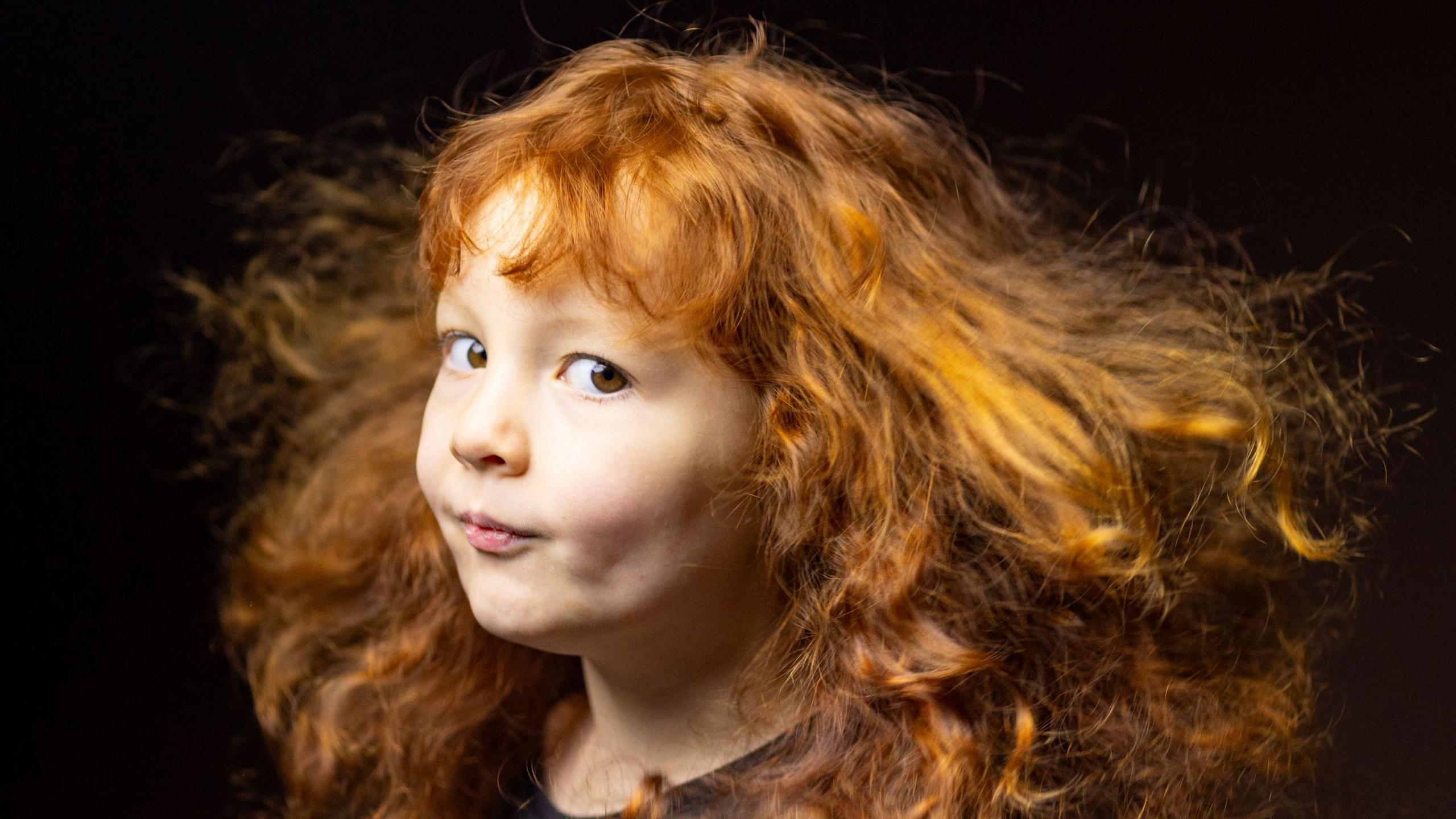
The collection’s poster, Gingers of America, shows a young girl with bright curls – a visual emblem of the country’s hidden diversity. Dodds says the red‑hair “golden thread” threads through sequential stories: from Romans, to Irish commuters; from slavery, to the complex histories that produce a unique cultural mix. He estimates about 4 % of Americans carry the ginger gene – an estimated fourteen million people if they all lived in one place, “Gingertown.”
He reflects: “Everyone has self‑consciously moved from somewhere,” and he sees the red‑haired people of America as living proof that modern identities are built on a mingled past. Other portraits capture black‑haired, Irish‑American, indigenous, and Latino backgrounds, all sharing a distinctive carrot‑colored nuance. The book explores how red hair can be more than a phenotype – it is a shared history connecting disparate peoples.
Audiences responded with pride. In the aftermath of the World Cup, he notes that the United States attracted visitors who perceived the country as “not what I expected”. The project has provoked curiosity about who our ancestors were, especially the Native tribes altered by inter‑marriage with Europeans.
“Kieran says the big difference between America and other places is that they tend to have really thought about where they come from,” he says. “You see it in a family, a friend, or a neighbour, and the genetic history becomes an active part of the conversation.”
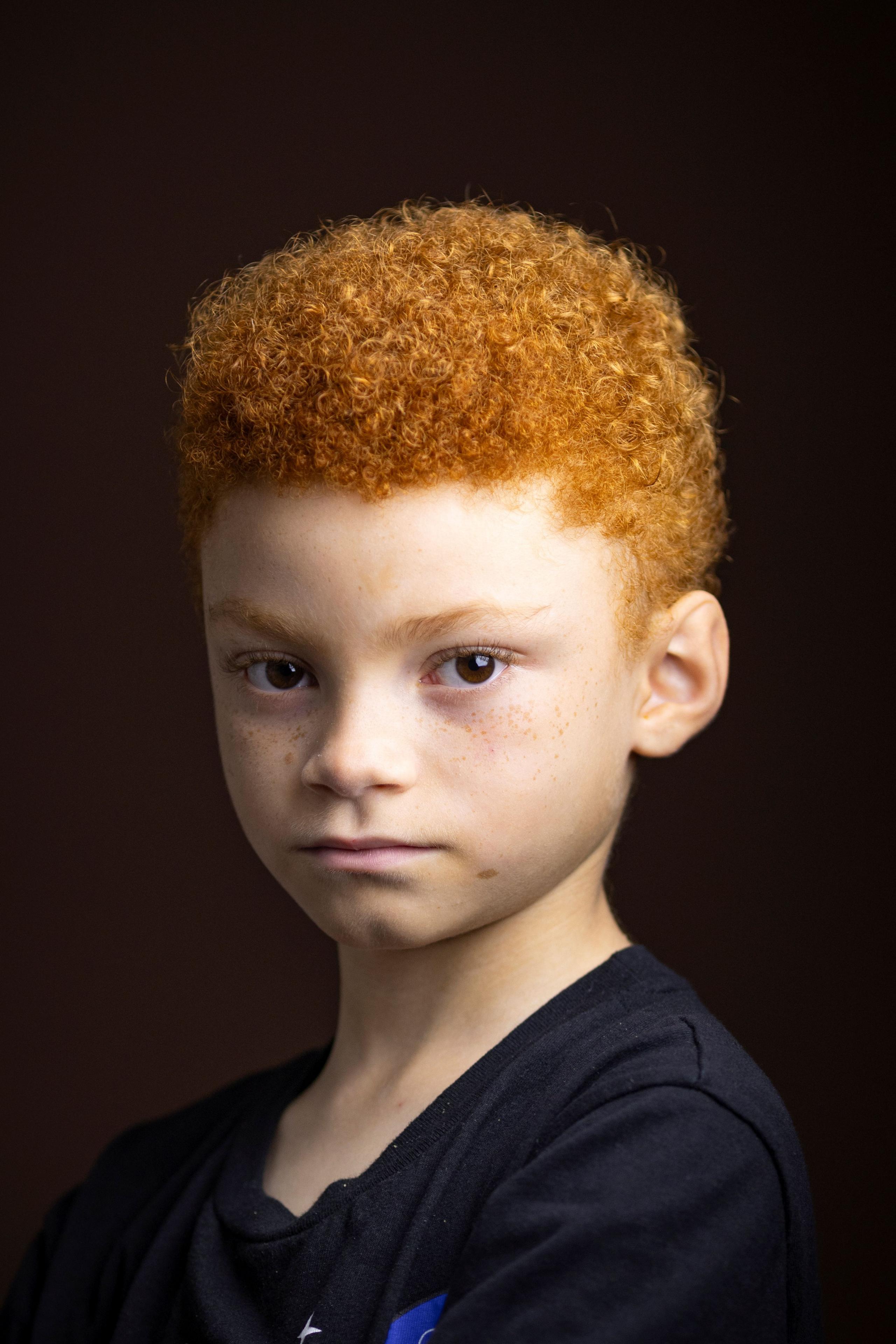
Cali Trawick, a mixed‑heritage youth in Alabama whose ancestry includes Irish, African American, indigenous American and Hispanic roots, appeared in the collection.
As Dodds turns the lens back onto his own ginger identity, he embraces the colour as a “golden tone” rather than a derogatory term. “You can use it kind way,” he says – it is “a golden thread” that weaves together America’s hidden histories, connecting people through a shared hue.
In the final scenes we see families celebrating the tapestry of heritage that red hair exposes. From Alabama’s spirited landscapes to Oklahoma’s deep‑rooted communities, the portraits reveal a network that transcends stereotypes, reminding us all that we are made from the same diverse origins.