While some West African nations are choosing to cement old ties with France and others cultivate a new relationship with Russia, Togo is working to navigate between the two.
As the 7 December attempted military coup in Benin collapsed, the rebels' leader, Lt Col Pascal Tigri, made his discreet escape, apparently over the border into neighboring Togo. From this temporary refuge, it seems he was then able to travel on to a more secure offer of asylum elsewhere, probably in Ouagadougou, Burkina Faso or Niamey, Niger.
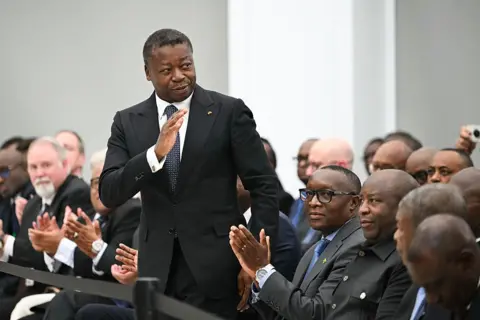
The opacity surrounding Togo's rumored role in this affair is typical of a nation that has learned to leverage its diplomatic relations with various, often conflicting, partners under the leadership of Faure Gnassingbé.
The Lomé regime is shrewd enough to avoid openly supporting a challenge to Benin's President Patrice Talon, or confirming beliefs that it facilitated Tigri's escape. Both nations are members of the Economic Community of West African States (Ecowas).
However, Gnassingbé cultivates good relations with Burkina Faso and the military governments of Niger and Mali, all of whom withdrew from Ecowas earlier this year.
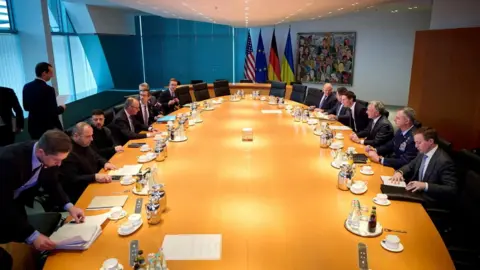
Gnassingbé demonstrates to France, Togo's historical ally, that he has alternatives. Following a meeting with French President Emmanuel Macron, he traveled to Moscow for a warm meeting with Russian President Vladimir Putin, formalizing a defense partnership that allows Russian vessels access to Lomé port.
This bilateral military agreement includes provisions for joint exercises and intelligence sharing, along with plans for economic cooperation and the reopening of embassies, closed since the 1990s.
France has reacted strongly, viewing Togo's increasing interactions with Russia as a challenge to its longstanding influence in the region. The Togolese leadership say their move towards Russia isn't a rejection of the West but rather a diversification of relationships.
In recent years, Togo and Gabon have complemented their longstanding ties in the International Francophonie Organization with membership in the Commonwealth, showing a desire to broaden their international friendships beyond traditional colonial alliances.
Togo's strategic location as a major freight and travel hub and the importance of its port also play significant roles in these diplomatic efforts. On a domestic level, Gnassingbé's government has implemented changes that solidify his grip on power, often suppressing dissent and international criticism in the process.
Despite the nuanced diplomatic initiatives, signs of unrest persist within Togo, leading to implications that even a sophisticated international strategy cannot fully quell the underlying political discontent.