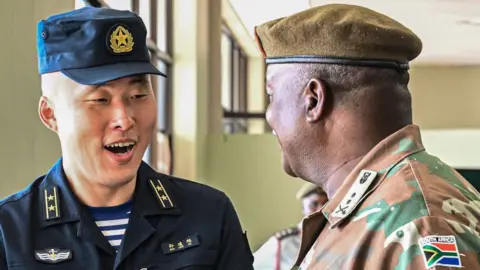
The Australian Army’s training camps in North Queensland have recently hosted a unique congregation of armed forces: United States, Japan and Australia troops working side‑by‑side under a joint operations banner. This last‑month exercise proved that even a nation not engaged in direct hostilities can still play a frontline role in deterring future threats.
Sessions began with cross‑capabilities briefings where each country’s commanders reviewed protocols for tracking, fire support and rapid maneuver in dense bush. The shared focus was to iron out a language for coordinating movements when firing live weapons, and to practise convoy‑roll, ambush awareness and a rapid extraction in inclement weather.
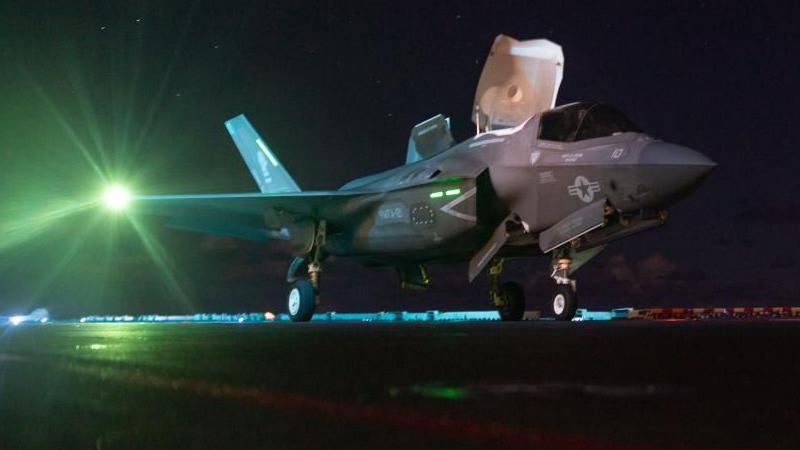
While Australia has no front‑line battles, the exercise’s emphasis was on the soft‑power of deterrence: seasoned patrols model insurgency conditions, and the Japanese Marines refine battlefield reconnaissance, whereas US special forces practise joint maneuver under desert‑like fire conditions. The program, spearheaded by the Defence Institute of Training, promises to ensure that allies can act together if the geopolitical situation in the Pacific turns more intrusive.
The partners wait for additional deployments – such as the US 276th Ranger Battalion – to build on the training and to tweak tactics before uncertain time windows. It is a clear example of how nations in relative safety can still prepare for a future that requires seamless integration.