'The answer cannot be nothing': The battle over Canada's mystery brain disease
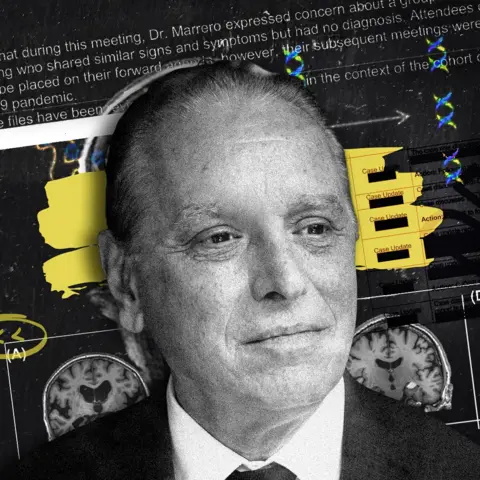
In early 2019, an unusual pattern emerged in New Brunswick, Canada—two patients were diagnosed with Creutzfeldt-Jakob Disease (CJD), a brain ailment that is both fatal and enigmatic. As investigations began, neurologist Alier Marrero reported a growing cluster of cases showing CJD-like symptoms, including rapid cognitive decline and physical impairment among young individuals. The group of patients soon grew to an alarming 500, yet despite extensive testing, experts were perplexed.
Attempts to link these cases to well-known neurological disorders yielded negative results, leading to a contentious debate within the medical community. One prominent study concluded the mysterious illness was a collection of pre-existing conditions rather than a unique syndrome, infuriating many patients who believe they have been affected by environmental toxins, possibly linked to industry.
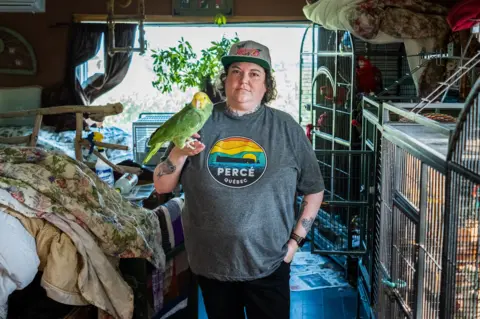
The patients' frustrations have been compounded by perceived negligence from authorities; provincial investigations into the disease have led only to accusations of cover-ups. Some patients, pushed to the brink by uncertainty and declining health, are exploring medical assistance in dying, provoking moral and ethical considerations regarding their situations.
With a myriad of symptoms documented among these patients—including severe weight loss, insomnia, and mental health challenges—the controversy surrounding their diagnoses highlights the conflict between scientific skepticism and personal belief in their suffering. As the scientific community grapples with the potential blame of misdiagnosis and the moral implications of the healthcare system's response, the voices of the patients continue to echo, demanding recognition, truth, and justice.