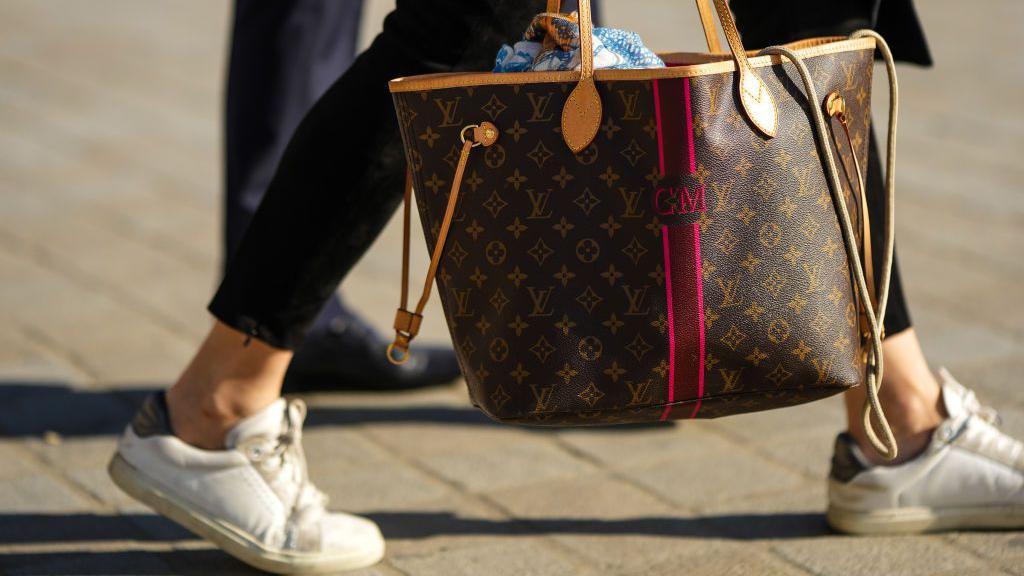
When Vietnam’s police raided a pair of nondescript warehouses on the outskirts of Ho Chi Minh City earlier this year, they uncovered more than 23,000 pairs of slippers stamped with the logos of Nike, Adidas, Crocs and Gucci – all counterfeit.
The raid seized goods worth 2 billion VND, equivalent to about $76,000. A flea market only 30 km away sold the same pretenders for $57 each, while displays also carried replica Chanel handbags, Prada T‑shirts and Rolex watches.
Vietnam has long been viewed as a hub for cheap knock‑offs of luxury brands. The government’s latest nationwide crackdown, launched on 7 May, comes after the U.S. Trade Representative named Vietnam as a priority country for intellectual‑property enforcement.
Under the new policy, authorities aim to boost IP‑violation busts by at least 20 % compared with last year’s May period. Surveys show Saigon Square and Ben Thanh Market were focal points; police confiscated a large batch of goods and fined vendors more than $19,000.
Vendors are divided. "Every time inspectors arrive, someone warns everyone,” said Thanh Truc, a street‑market seller. Yet she reports that business continues, with fewer logo items displayed but stock kept in back rooms.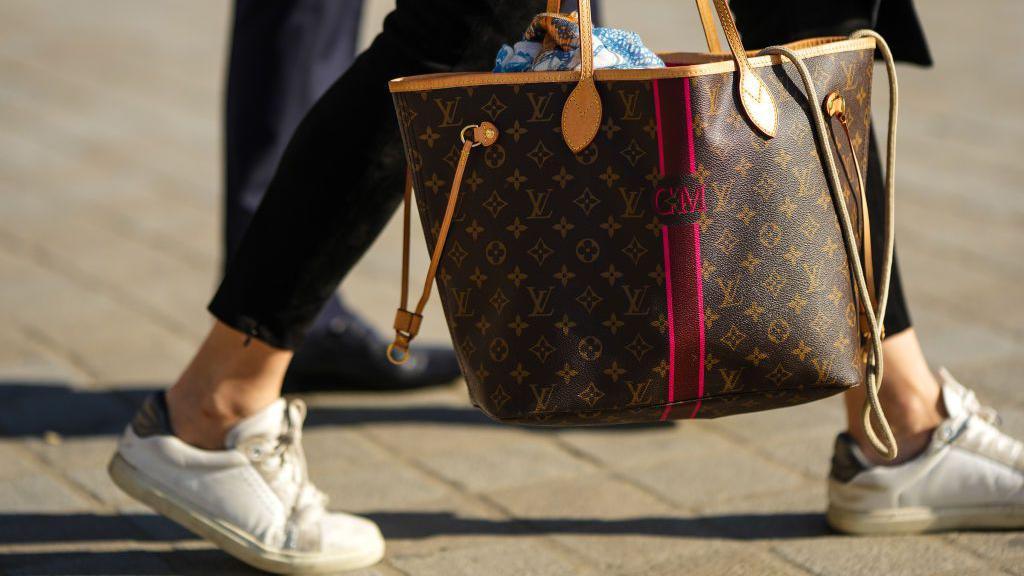
The crackdown is driven by international pressure: in April the U.S. labelled Vietnam the world’s worst offender on IP rights, the first time in 13 years it received the designation.
One of the recent operations on 10 June dismantled a ring that produced over 10,000 counterfeit jewellery items, generating an estimated $1.14 million in illicit profits. Market stalls across Ho Chi Minh City and Hanoi have shuttered, while police raided warehouses, clothing outlets and sneaker stores.
Some locals welcome the crackdown, seeing it as a chance to support genuine designers. Huong Thi Nguyen, a local designer, argues that counterfeit goods disrupt her market. She plans to raise prices and invest more in her own brand now that rivals are closing.
For others, the crackdown threatens affordability. Huy, a regular customer in Da Nang, says he will keep buying counterfeit gear as long as it remains cheap and accessible. He notes that about 60 % of Vietnam’s population live in rural areas with average monthly incomes of only $225.
Scholars such as Thi Thanh Huong Tran point out that the counterfeit market thrives because of economic realities; customers who can’t afford authentic luxury goods find knock‑offs appealing. Though the crackdown may not erase the market completely, it is intensifying police action and heightening pressure from international trade partners.