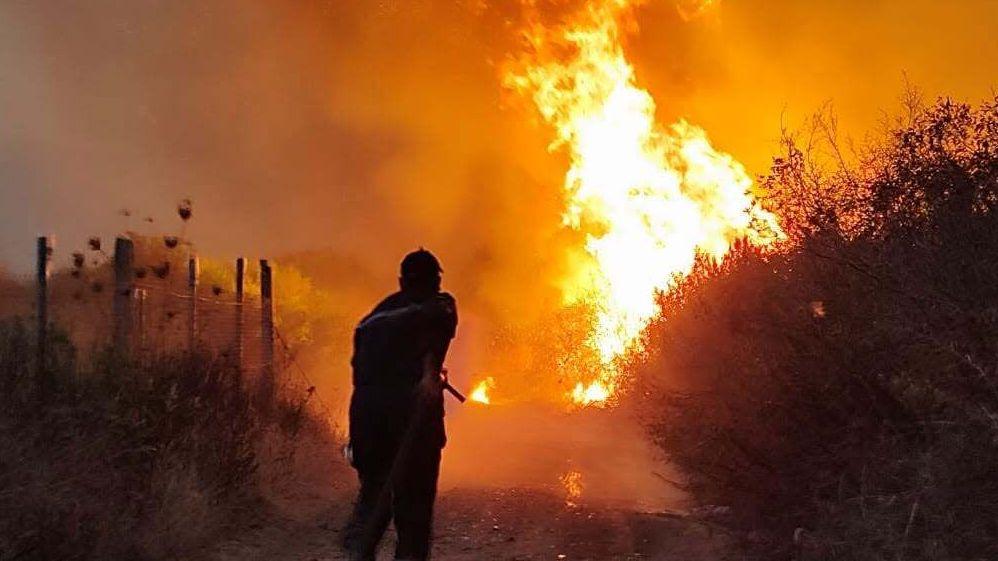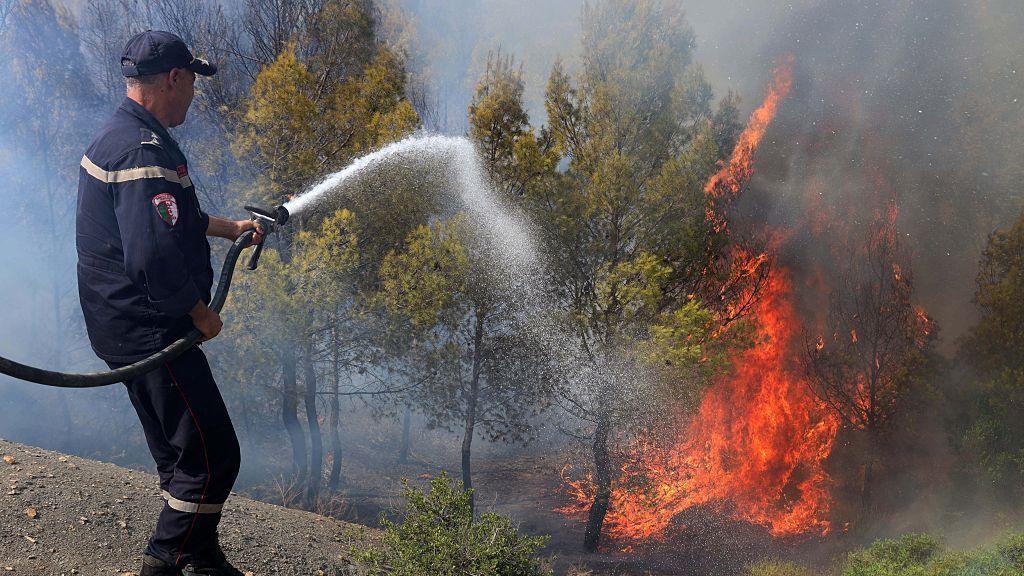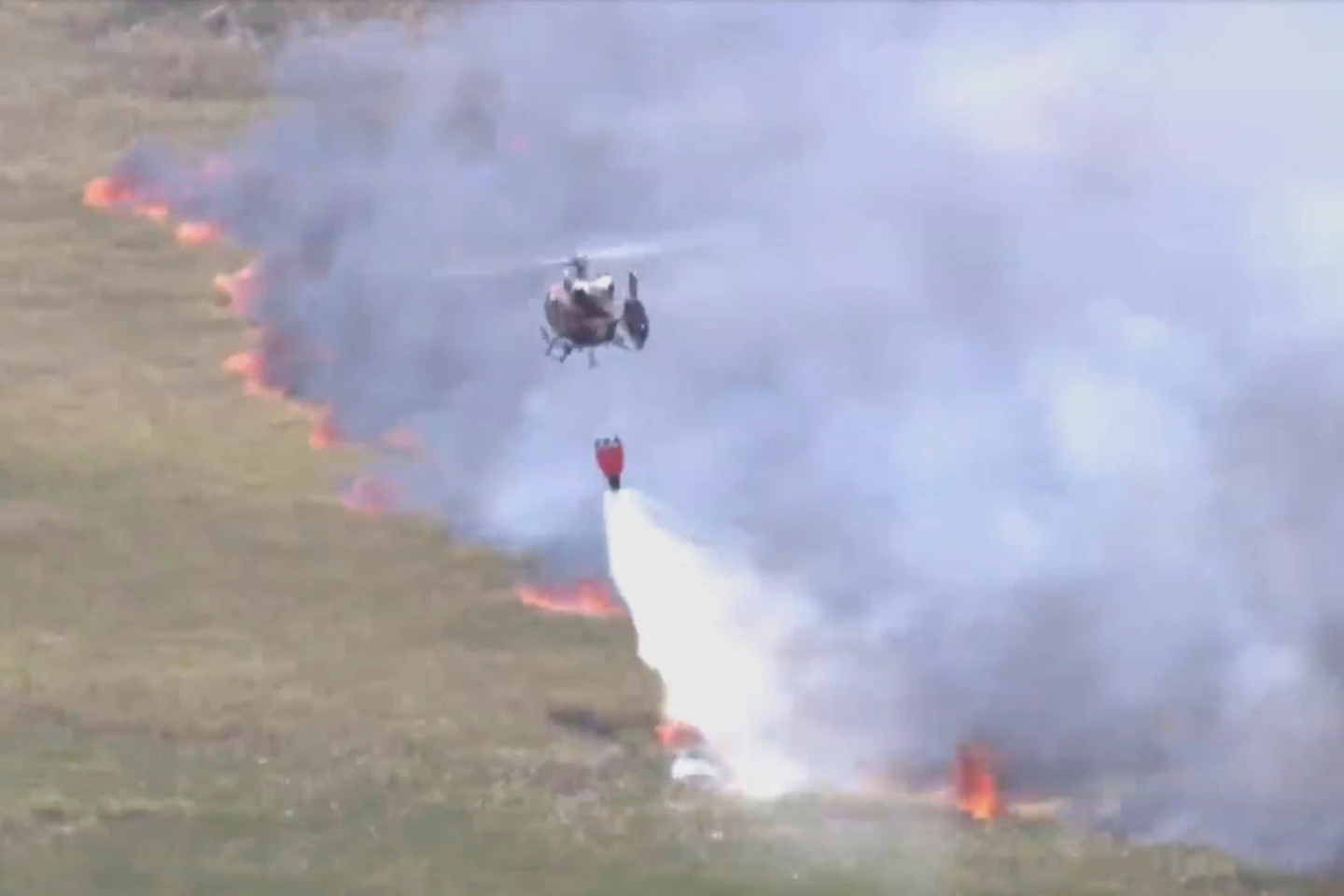
NAHUNTA, Ga. (AP) — Wildfires burning across the southeastern U.S. were intensifying on Wednesday, destroying nearly 50 homes in Georgia and forcing evacuations and school closures in several communities. Key areas of concern include Georgia's coast and around Jacksonville, Florida, where one of the worst fire seasons in decades is unfolding.
As the wildfires rage on, the cause remains uncertain, but a long-standing drought, coupled with low humidity and strong winds, continues to exacerbate the situation. Georgia's two largest wildfires alone have scorched over 31 square miles, with several smaller fires reported throughout the state. The worst-hit regions are classified under exceptional or extreme drought, according to the U.S. Drought Monitor.
In southeast Georgia, the Brantley County fire has forced significant destruction, with reports confirming 47 homes lost a day prior. County manager Joey Cason reported that the fire grew roughly sixfold within half a day on Tuesday, leading to emergency responses that included nearly two dozen fire agencies tackling the blaze.
Residents have been warned to be prepared for evacuation as shifting winds pose a threat to safety. At least 800 evacuations have occurred in the county, with five shelters established for those displaced. The Federal Emergency Management Agency has indicated that around 300 more homes are at risk.
Amid these fires, another major blaze in Clinch County has also necessitated evacuations. Tim Lowrimore, president and CEO of the Georgia Forestry Association, described the situation as serious and continuously evolving.
In Florida, firefighters are combating 131 wildfires, taking a toll on about 34 square miles of land. Commissioner of Agriculture Wilton Simpson cited the current fire season as one of the worst seen in the last few decades, attributing it to an extensive 18-month drought across the state. Response strategies are in place, with firefighting equipment positioned closer to fire zones for quicker action.
The National Weather Service forecasts that low humidity and strong winds will maintain heightened fire danger levels through Friday, contributing to poor air quality in major cities like Atlanta, Savannah, and Jacksonville, where smoky conditions could affect residents' health. With fire risks booming, officials urge caution as the high threat of wildfire persists.