In brief
In the eastern Democratic Republic of Congo, officials from a Lwiro clinic report a decrease in mpox cases coinciding with the rollout of vaccinations. Despite progress, experts warn of ongoing spread and emphasize the importance of continued vigilance.
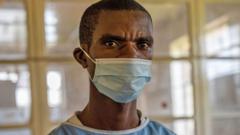
In a recent visit to the Lwiro clinic in the Democratic Republic of Congo (DRC), BBC reporters found a significant decline in new mpox cases. A nurse at the facility, Jackson Murhula, noted that the clinic is currently admitting only two to three cases daily, a stark reduction from earlier in the outbreak. This change comes on the heels of the first mass vaccinations, which began in October after receiving 265,000 doses from international partners. According to the World Health Organization (WHO), the rise in vaccination efforts has contributed to a plateau in new mpox cases, although experts caution that it is premature to fully assess the vaccination's impacts. Mpox, previously known as monkeypox, remains a deadly threat, claiming the lives of at least 900 individuals in the DRC this year alone. Public health officials are closely monitoring the situation as they assess whether the outbreak should still be classified as a global health emergency. While clinics like Lwiro report calmer circumstances now, experts emphasize that mpox continues to spread in various regions, with reports of infections in 19 different African countries. Previous assessments of the Lwiro clinic described a grim scene with overflowing wards, yet recent evaluations show improvement, including more manageable patient numbers and high vaccine uptake within the community. Nurse Emmanuel Fikiri expressed optimism about the current state of affairs, attributing it to collaborative efforts in vaccination and healthcare provision. Despite the positive shift, experts remain aware of the challenges posed by the disease's disproportionate impact on children, many of whom remain unvaccinated. Plans to roll out a new vaccine for youth have recently gained WHO approval, hinting at potential support for younger populations. While some experts like Dr. Samuel Boland from WHO believe the situation may be improving in the DRC, he insists that a definitive conclusion about the outbreak’s resolution is yet to be drawn. More than 90% of global mpox fatalities this year have occurred in the DRC, underlining the critical need for continued intervention efforts. Vaccination initiatives are also starting in other African nations, such as Nigeria and Rwanda, as authorities remain determined to control the outbreak. Dr. Jean Kaseya of Africa CDC cautioned that while some areas may exhibit stabilization, the fight against mpox is still far from over. The upcoming assessments by WHO will be crucial in determining the response to this ongoing public health crisis.