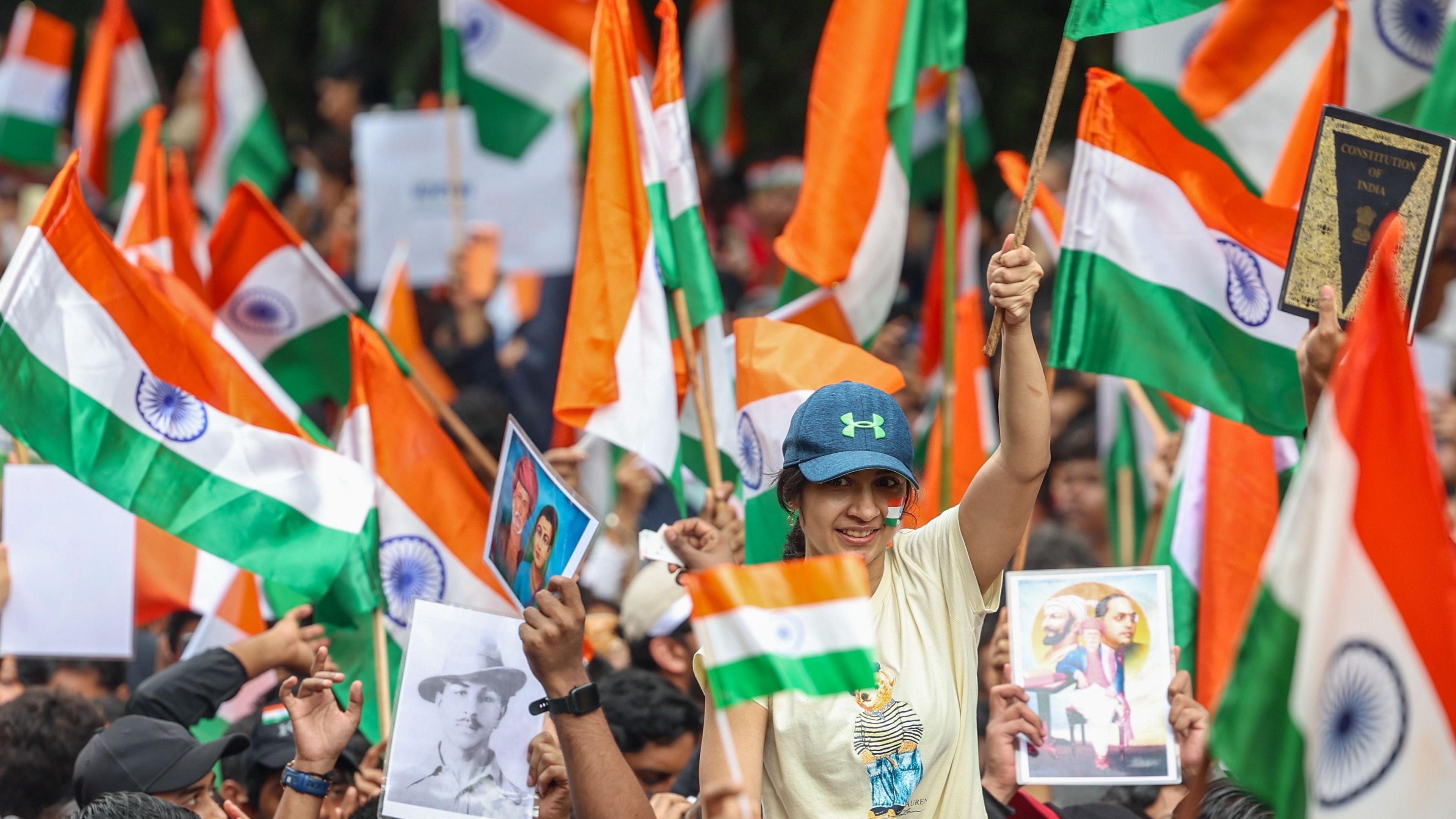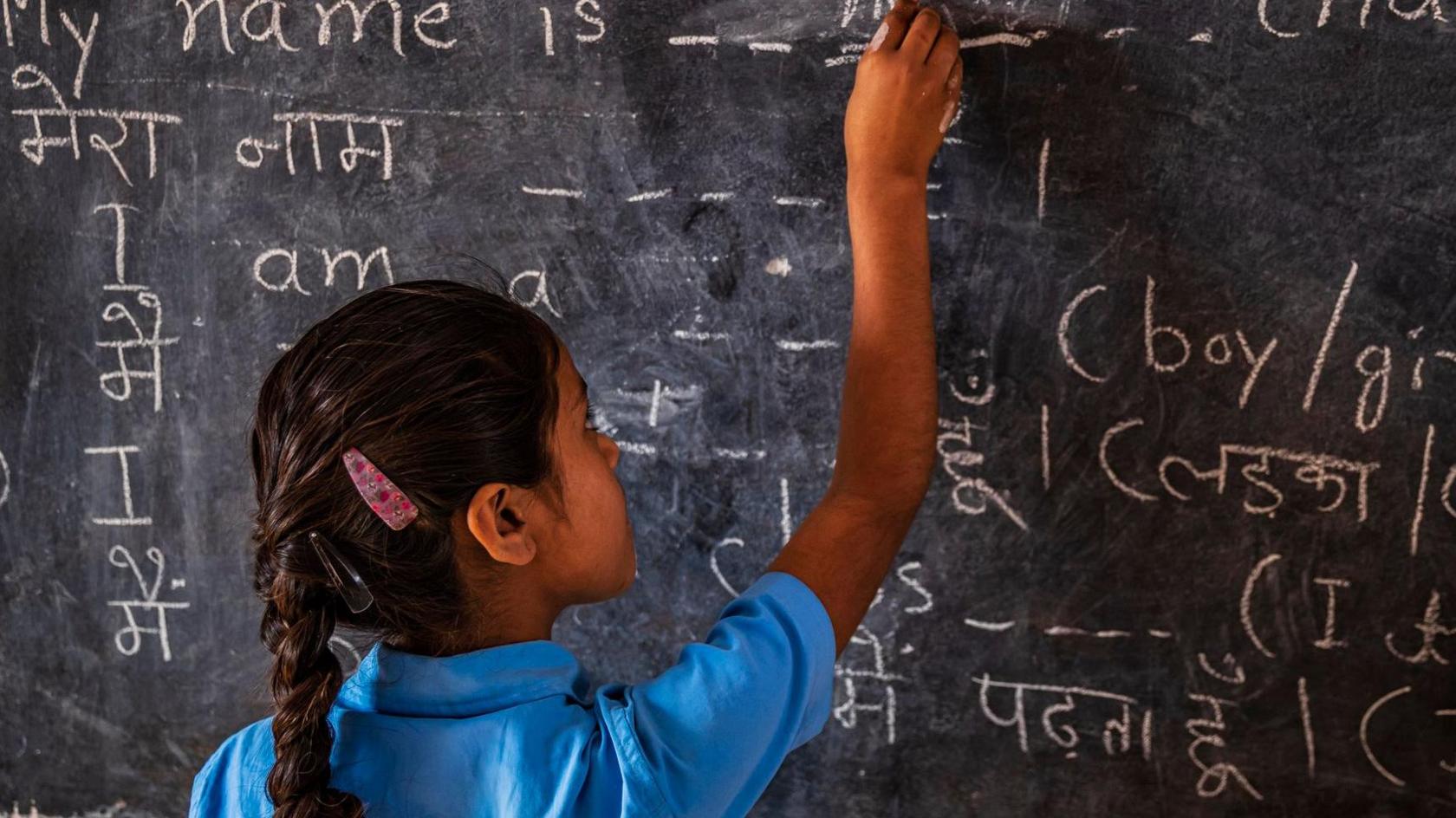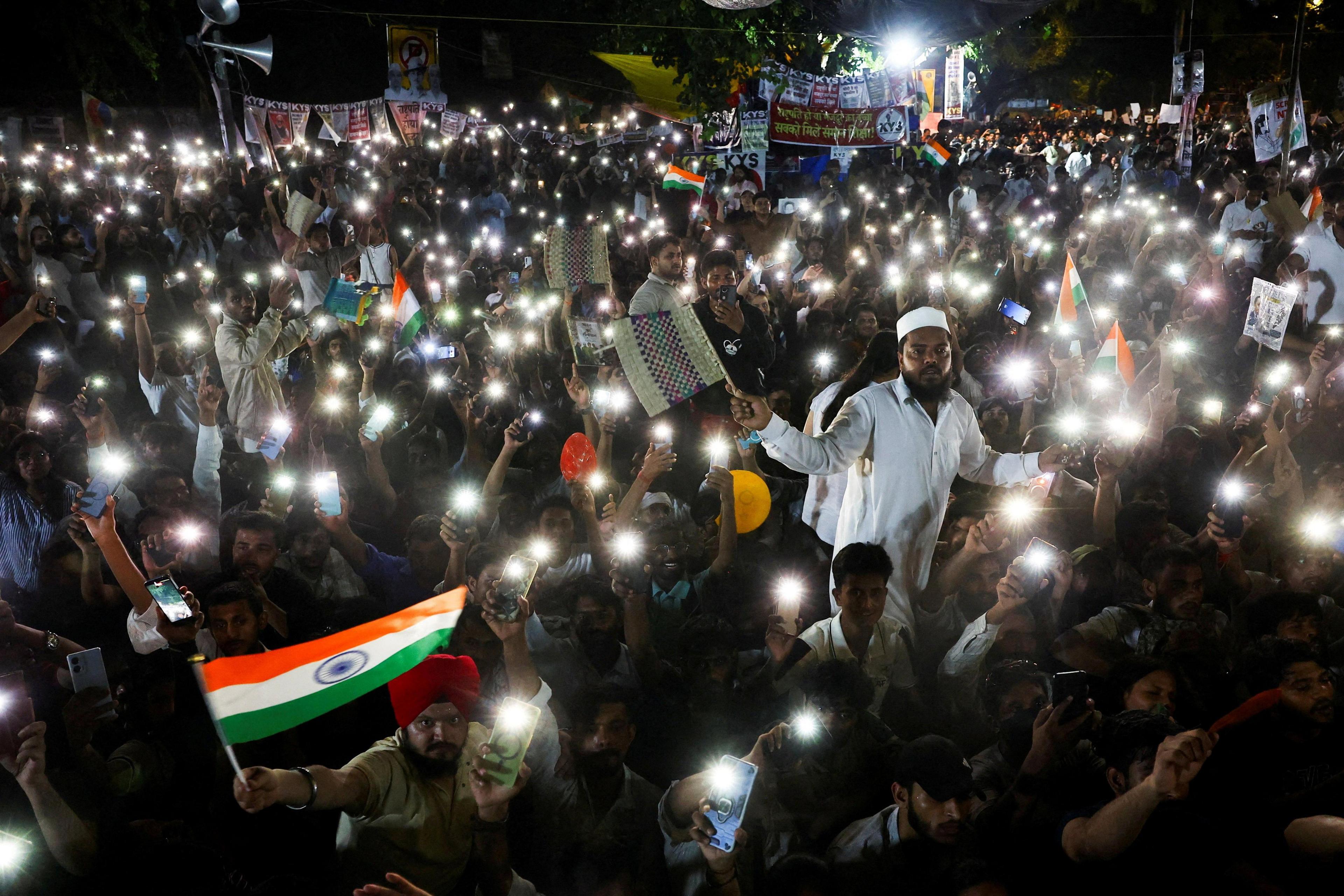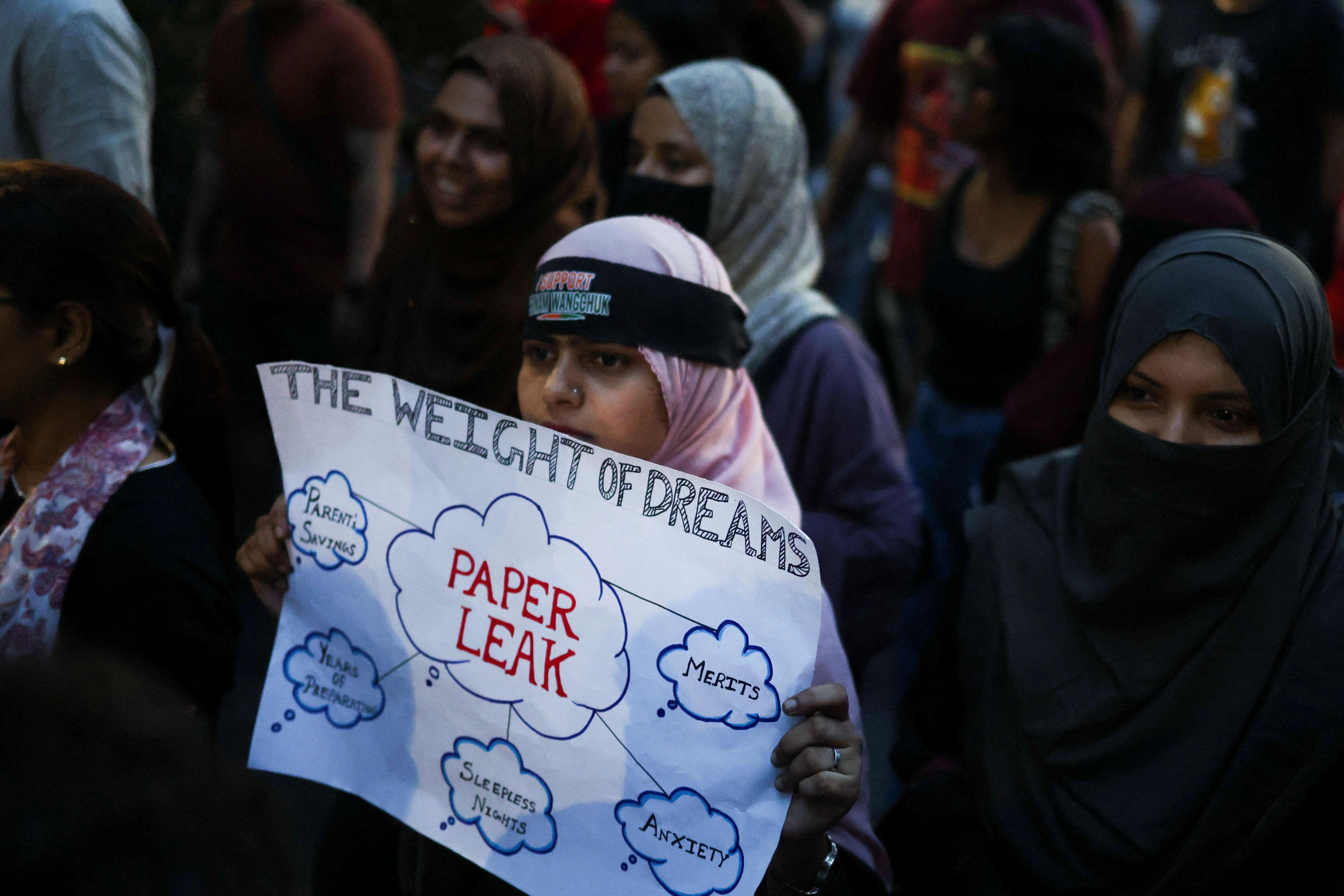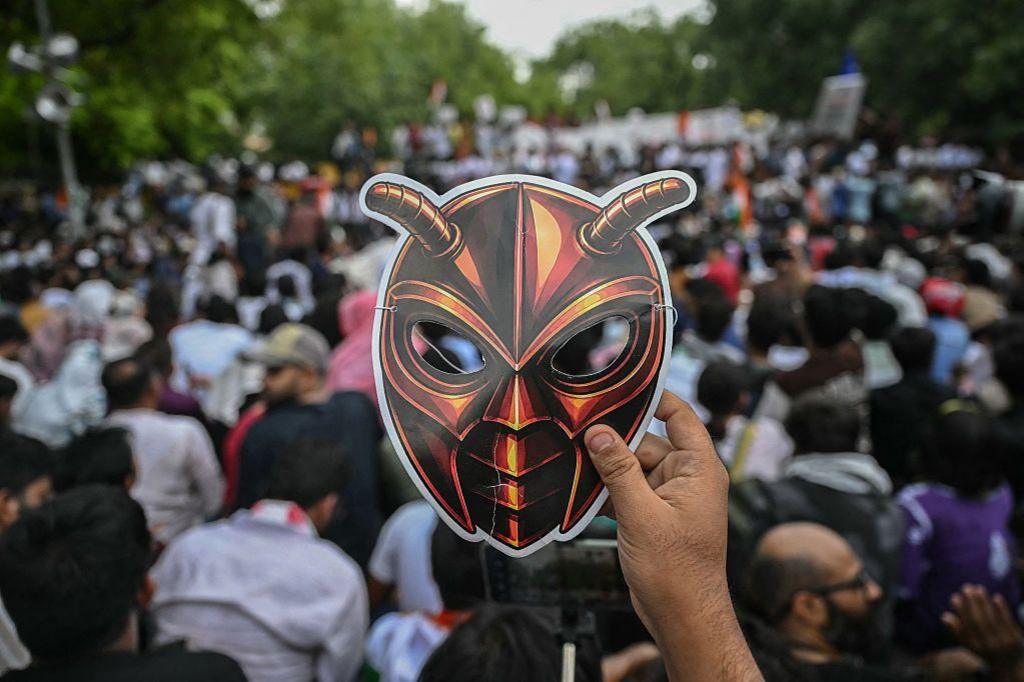
A wave of student anger has swept across India, with the Cockroach Janta Party (CJP) fostering a massive protest over repeated leaks of exam papers that punish fairness in national examinations.
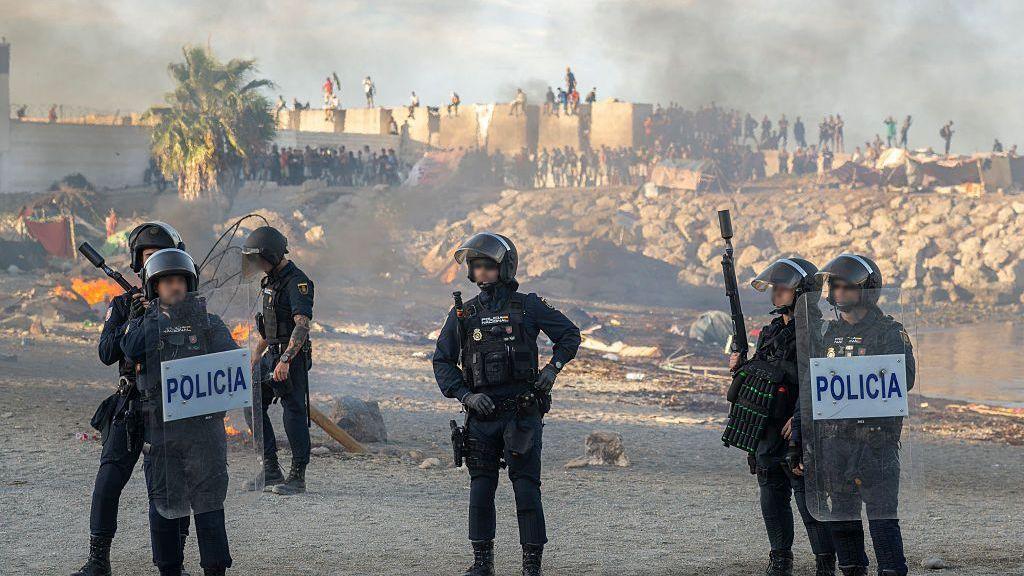
On Monday, tens of thousands attempted a march on the Parliament in Delhi, only to be met with tear gas, baton charges and a heavy police presence. Yet the movement’s pace—fueled by an online buzz that mirrors the 2011 anti‑corruption protests—has translated into real‑world street action, signaling a tipping point for the youth era.
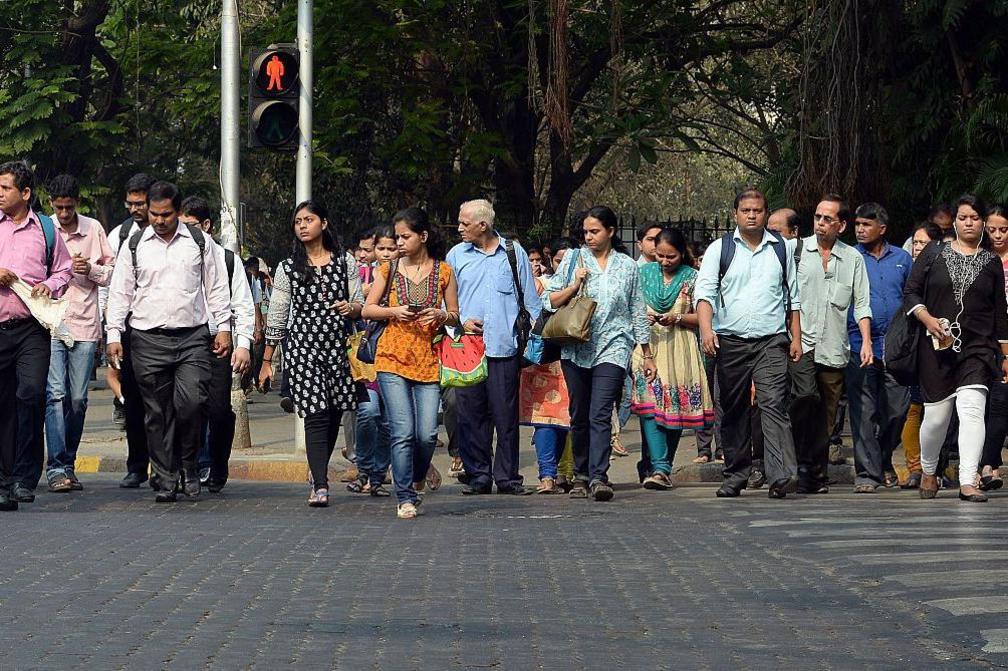
Rather than an ideological uprising, the CJP is rooted in administrative failure: it seeks accountability of the government in a system that millions view as their main path to mobility. Interviewees note that the core constituency is “not a singular interest group” but an “organic outpouring” that requires systemic reform.
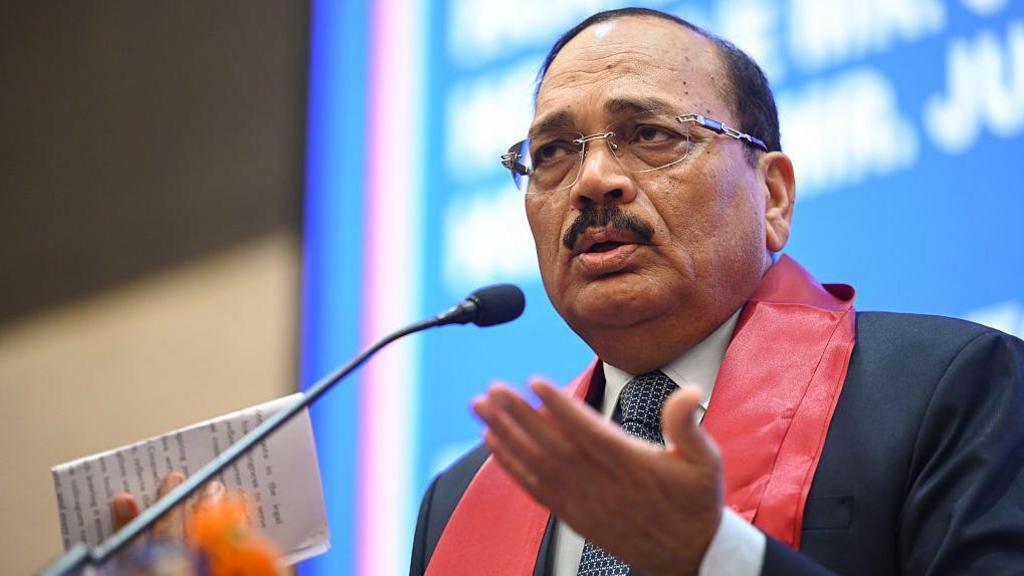
Prime Minister Narendra Modi was the first senior leader to publicly address the situation, promising fast‑track courts for paper‑leak offenders and insisting that the government will pursue “swift and stringent punishment.” The Education Minister, however, has been asked to resign until reforms materialise.
Political analysts see the movement as a challenge to BJP’s governance ability. Rahul Verma of the Centre for Policy Research warns that BJP cannot simply rally its base, as the grievances cut across caste, class and gender, leaving a wide net of “aspirational young Indians” rather than traditional supporters.
The protests have already drawn student unions, left groups and Dalit organisations such as the Bhim Army, yet they are still “outnumbered by an organic outpouring of students” from across India—a phenomenon seldom seen in previous large‑scale demonstrations.
Whether the momentum will sustain hinges on the government’s response and the ability of the movement to transform from street anger to organised political pressure. Some scholars caution that the movement may “exhaust its energy” akin to farmers’ protests unless it can secure wider societal engagement, media coverage, and a cohesive narrative beyond the exam‑paper issue.
Still, the protests may herald a new political grammar in India: accountability and practical governance outside of electoral politics. The split between electoral legitimacy and democratic accountability, now manifested in street protests, could redefine how citizens challenge the state.