
In brief
The suspension of funding has disrupted health services in 50 countries, raising fears of disease spread and setbacks in vaccine development.
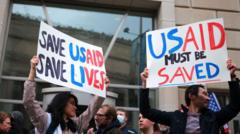
The head of the World Health Organization (WHO), Dr. Tedros Adhanom Ghebreyesus, has issued a stark warning about the consequences of the recent freeze on the United States Agency for International Development (USAID). Programs aimed at combating HIV, polio, mpox, and bird flu across 50 nations have been severely impacted by the halt of billions of dollars in US foreign aid, initiated by President Donald Trump under claims of "unexplainable" spending.In his first public statement concerning the aid suspension, Dr. Tedros urged the Trump administration to rethink its course of action and restore funding. He pointed to the halted activities of PEPFAR, the President's Emergency Plan for AIDS Relief, noting that as a result, HIV treatment, testing, and prevention efforts have come to a standstill. "Clinics are shuttered, and health workers have been placed on leave," he stated during a virtual press conference in Geneva.Global health experts fear that this aid freeze will not only lead to increased disease transmission but may also cause significant delays in vaccine development and the introduction of new treatments. Dr. Tedros emphasized the importance of sustaining support for life-saving services even as disruptions continue, noting the adverse effects on international cooperation in facing public health challenges.The US government, under Trump's direction, has intensified scrutiny of USAID, labeling it as "incompetent and corrupt," and has announced significant workforce reductions within the agency, which manages approximately $40 billion in humanitarian aid. Most of these funds are allocated to health initiatives in Asia, sub-Saharan Africa, and Europe, including ongoing humanitarian efforts in Ukraine.The situation has drawn criticism from various quarters, including tech billionaire Elon Musk, who has described USAID as a "criminal organization," despite lacking substantive evidence to back such claims. The disbanding of USAID coincides with Trump's broader strategy to withdraw the US from WHO funding, a stark contrast to the previous Biden administration, which was the organization’s largest contributor, accounting for nearly one-fifth of its budget in 2023.As the WHO seeks to mitigate these disruptions to essential health services, emergency measures reminiscent of the Covid pandemic have been reinstated to address supply shortages of critical medications such as antiretrovirals for HIV patients. Meg Doherty, director of global HIV, hepatitis, and STI programs at the WHO, emphasized the need for a sustainable solution. "While we are currently coordinating the sharing of vital supplies among nations, it is essential to pursue more enduring support mechanisms."