In brief
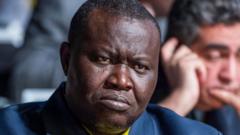
The International Criminal Court has sentenced former Central African Republic football federation head Patrice-Edouard Ngaïssona to 12 years in prison for conducting war crimes, including the targeting of Muslims during the 2013-2014 conflict.
The International Criminal Court (ICC) has found Patrice-Edouard Ngaïssona, former head of the Central African Republic (CAR) football federation, guilty of committing 28 war crimes and crimes against humanity, resulting in a 12-year prison sentence. Ngaïssona was indicted alongside Alfred Yekatom, who received a 15-year sentence for his role in the violent assaults against the Muslim population during the civil unrest in 2013-2014.The court’s verdict concluded a nearly four-year trial which examined extensive evidence, including testimonies from more than 170 witnesses and valuable documentation. Both men were accused of leading attacks against Muslim civilians amid the chaos that erupted when a Muslim group known as the Séléka overthrew the then-President François Bozizé in 2013, sparking retaliatory violence from primarily Christian militias called the anti-Balaka.Throughout the trial, prosecutors highlighted how Ngaïssona financed and directed the anti-Balaka militias, which committed heinous acts including murder, torture, and the persecution of a religious group, specifically targeting Muslims. They described a systematic approach that deemed all Muslims as "enemies of the nation". Yekatom, notorious for his brutal tactics, allegedly spearheaded assaults that resulted in substantial civilian casualties, with reports indicating that over 1,000 individuals were killed during violent clashes in December 2013 alone. Both defendants entered not guilty pleas at the trial's inception, rejecting all charges against them.Prior to his extradition to the ICC in 2019, Ngaïssona had served in various leadership roles, including as a sports minister and on the executive committee of the Confederation of African Football, a position that drew significant criticism from human rights activists due to his alleged involvement in atrocities.Similarly, Alfred Yekatom's political career persisted despite UN sanctions, until he was detained after an incident involving gunfire in the CAR parliament. The proceedings against both men signify a critical stance taken by the CAR authorities in confronting impunity within its borders amid a backdrop of continued violence and discord.