In brief
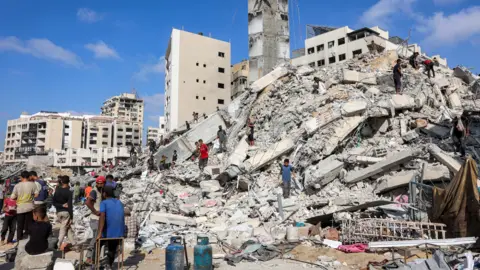
The Israeli Defense Forces have demolished the Sussi Tower in Gaza City, marking the second high-rise destruction in as many days as part of an ongoing military operation that has drawn international concern. The IDF asserts the building was linked to Hamas, while humanitarian crises escalate in the region, further complicating the conflict's dynamics.
The Israeli military has destroyed a high-rise block in Gaza City, the second major tower it has targeted in as many days.
Defence Minister Israel Katz posted video of the building collapsing on X, with the caption: We're continuing.
The Israel Defense Forces (IDF), which has been expanding operations in Gaza, claimed that the Sussi Tower was being used by Hamas—a claim that the militant group has denied.
As the destruction unfolded, reports indicated that the situation surrounding civilian casualties remains unclear. Ahead of the strike, Israel dropped leaflets urging residents to relocate to a designated humanitarian zone in the south.
IDF spokesman Avichay Adraee urged people to join the thousands who have already gone to al-Mawasi, where the Israel military claims food and medical care would be provided. However, the UN has reported that conditions in the overcrowded tents in al-Mawasi are less than safe, with hospitals overwhelmed.
The targeted Sussi Tower follows the destruction of the Mushtaha Tower in west Gaza City just one day prior, amid claims from the Palestinian civil defense agency indicating that families had sought refuge within the buildings that were hit.
The IDF stated precautionary measures had been taken to reduce civilian harm, including advance warnings and the use of precise munitions. However, the situation has raised serious concerns about the humanitarian state in Gaza.
The escalation of violence stems from Israel’s military response following the Hamas-led attack in southern Israel last October, which claimed lives and resulted in widespread damage. Since then, reports by Gaza’s health ministry estimate over 63,000 fatalities in the ongoing conflict.
Insights show that local high-rises have been integral to the city’s identity amidst the socio-political climate, arising in a bid for economic growth and development among returning Palestinian populations post-Oslo Accords.
As discussions on ceasefire and mediation efforts hit deadlock, the UN has sounded alarm bells over the potential of a humanitarian disaster in Gaza with a warning regarding the city's looming famine.