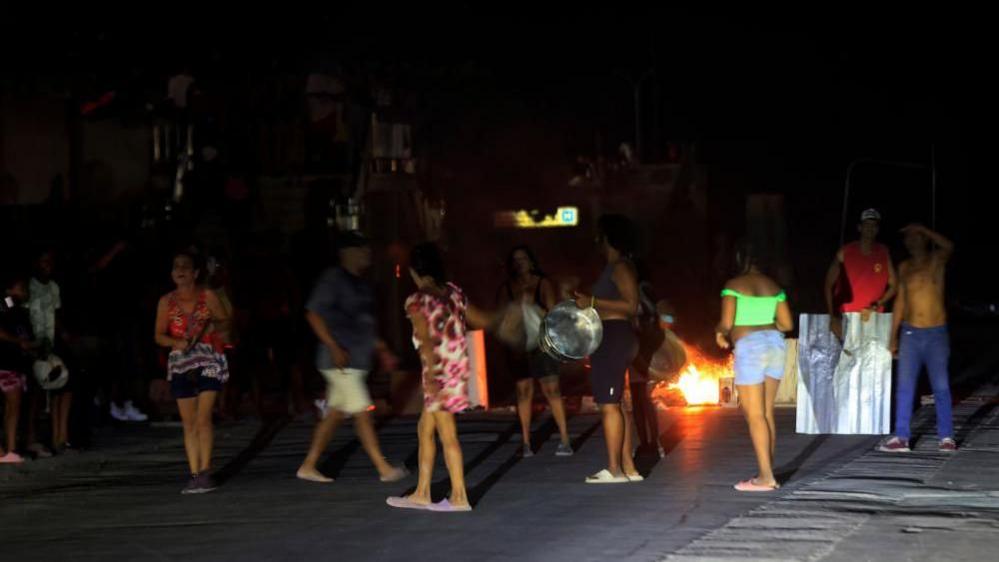
Cubans in Havana, Santiago de Cuba and other islands slammed pots and set rubbish on fire that evening, voicing anger over a third nationwide power cut this year.
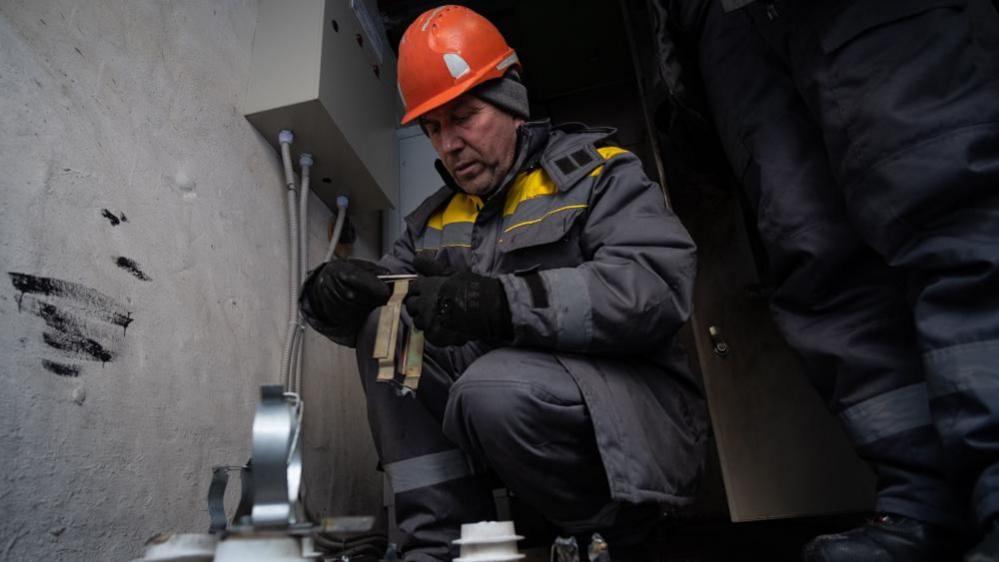
The blackout, lasting up to 70 hours in some rural corners and 30 hours in city sectors, follows a pattern of state‑imposed rolling outages aimed at conserving a dwindling fuel reserve. A spokesperson for the state electricity company said that most of the country had regained power by Tuesday night, but numerous locals shouted “turn on the lights!” in still-dark neighborhoods.
Fuel shortages are aggravated by tight U.S. sanctions and an effective oil blockade that limit even those with generators from running them during power cuts. The repeated outages coincide with a surge in public dissent—an uncommon sight in a regime that normally punishes protest.
Cuban President Miguel Díaz‑Canel has addressed the situation, acknowledging widespread discontent and urging Cubans to direct your anger towards our northern neighbours, who are the ones behind these power cuts. He highlighted shortages of food, medicine and power—issues he blamed on external forces.
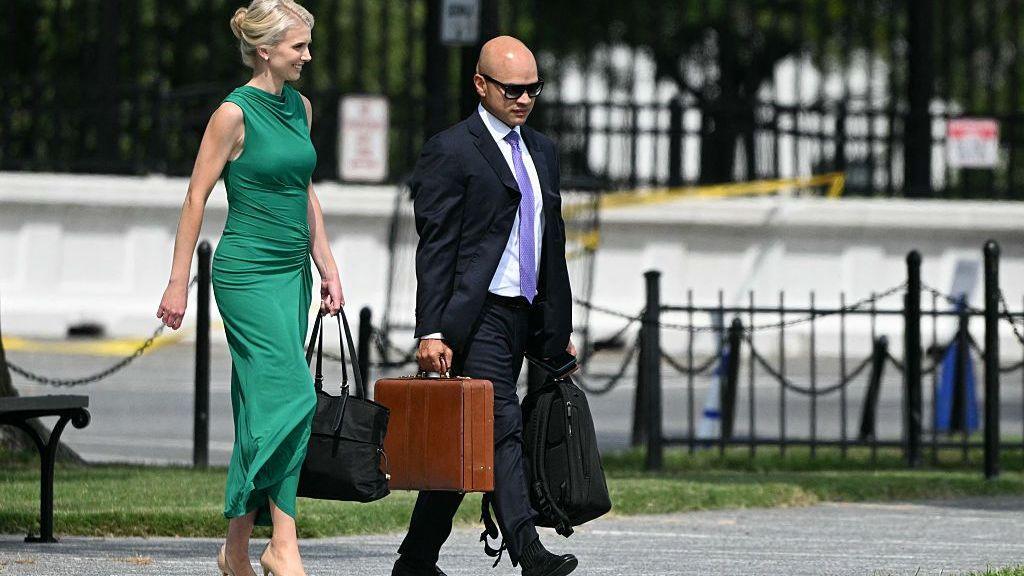
U.S. Ambassador to the United Nations Michael Waltz countered, assigning full responsibility to the Cuban authorities for the energy crisis, and called on the Cuban delegation to “turn the lights back on for your people.” His remarks drew an immediate rebuttal from Cuba’s foreign minister, Bruno Rodríguez, who condemned what he described as “multi‑dimensional, non‑conventional warfare” by the United States aimed at crippling Cuba.
The U.S.–Cuba relationship has degenerated further since the new U.S. administration began imposing additional sanctions, including a blockade on oil shipments. These moves have intensified pressure on Cuba’s economy, already strained by limited resources and sustained by a fragile tourism sector. While public displays of dissent are sporadic, the recent protests signal growing domestic unrest that could influence diplomatic negotiations still in progress.