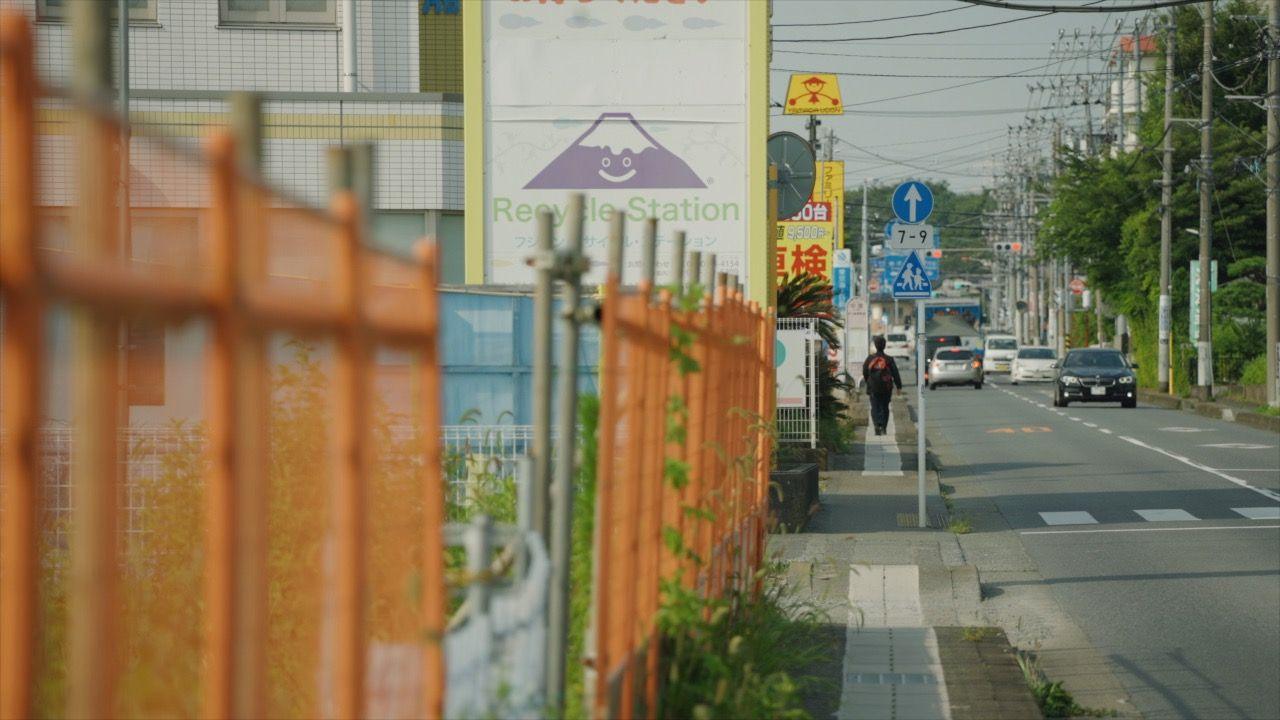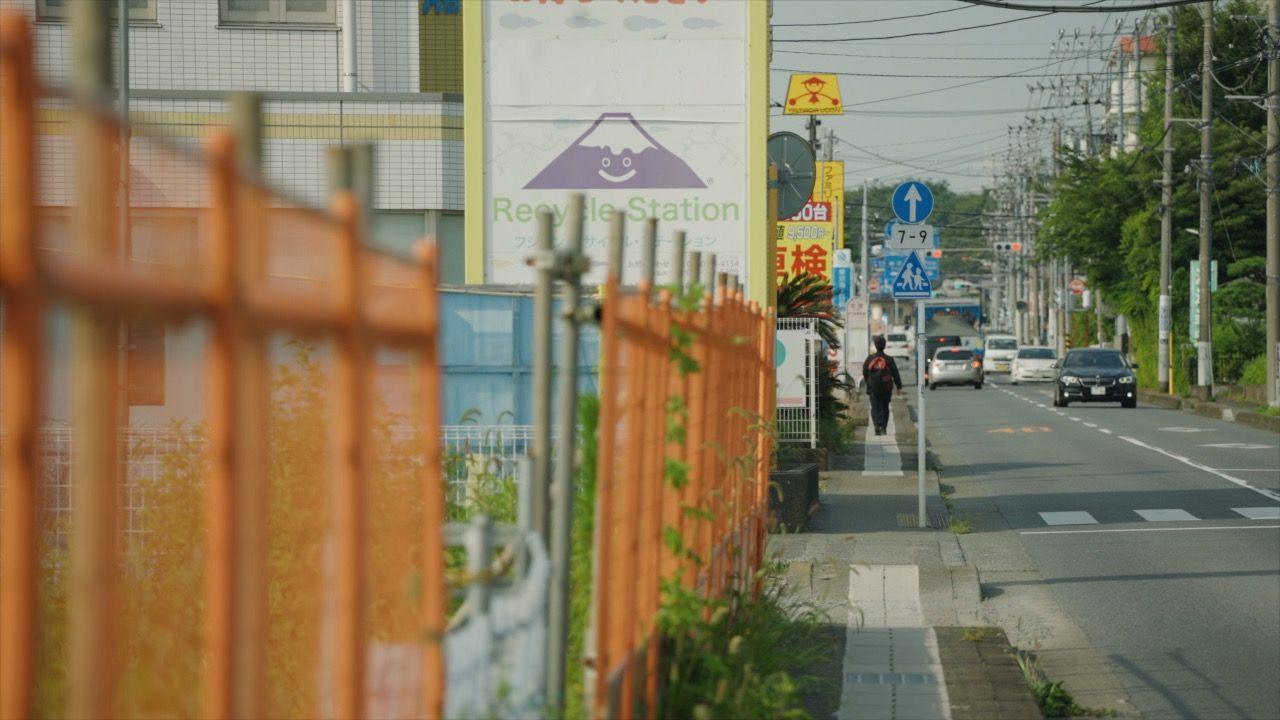
The field of grass that once framed a modest beach in Fujisawa is set to become the controversial site of Japan’s first mosque. By early August, locals and a surge of immigrants will stand over the same ground, clashing over the country's next cultural identity.
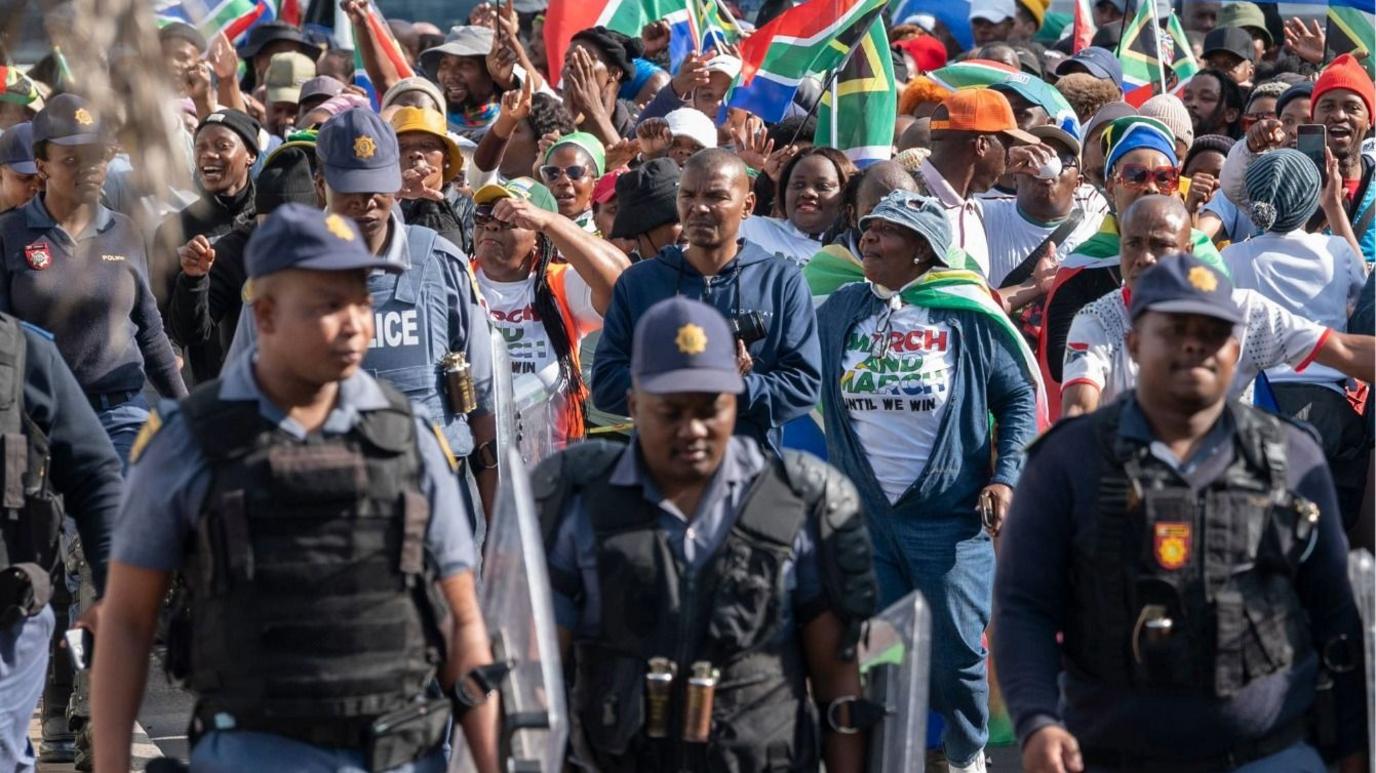
High‑profile protests erupted at the town’s train station, when thousands walked the streets to express anger, fear and, in some voices, hope for a safer, connected future. The mosque’s size—larger than the adjacent Shinto shrine—was described by critics as “disrespectful” to regional heritage.
Within the social media sphere, hateful comments have escalated: “Get out of Japan,” “Go back to your own country,” and even calls for physical threats. Local groups have responded with counter‑protests that emphasize “no hate” and call for more public understanding.
Long‑time resident Noriko Izumizawa worries that the mosque signals a shift in Fujisawa’s identity. She says her concerns mirror the global debate over immigration, noting that the United States and Europe’s polarized views reinforce local unease.
Moja Staffer Hiroki Suzuka, who runs a coffee shop opposite the construction road, is more open: “I don’t oppose the mosque, but I’m not sure we’re strong for it either. We need to learn and talk,” he said, echoing the call for dialogue.
Across Japan, Muslim communities report rising hostility. A 39‑year‑old businessman from Sri Lanka, Mohamed Mohideen, reflects that many Muslims faced online aggression and even physical abuse, but he remains calm and urges patients to respond with kindness rather than confrontation.
Other towns looking at their expanding Muslim populations note an increasing need for harmony. A seasoned coach in Osaka recognizes that Japan’s “stealth” immigration system still permits many to stay, and recent policy shifts—like a dramatic hike in visa fees—double the pressure on citizen identity.
In Fujisawa, the mosque becomes the flashpoint of fine‑tuning an image that must balance widening multiculturalism with preserving national cohesion. Residents, like Izumizawa, admit only “fear of the unknown” brought them to the protests, while others hope that increased dialogue can break the tension.
Further reading on this story brings additional contexts: a mayor’s maternity leave in Japan sparked national chatter, and the West Asian football fans’ cleaning of a World Cup stadium highlight broader community clean‑up movements.