In brief
Federal prosecutors have added a third criminal case against former FBI chief James Comey, charging him with leaking national defence data in 2016. The filing cites a 2016 New York Times interview, but Comey claims the charges are politically motivated. Legal experts point out that the case may exceed the ten‑year statute of limitations and that another version of the indictment is being challenged. Comey has dismissed the allegations and maintains his innocence while the Justice Department presses ahead. As the legal battle unfolds, the move raises questions about the use of DOJ power against political adversaries.
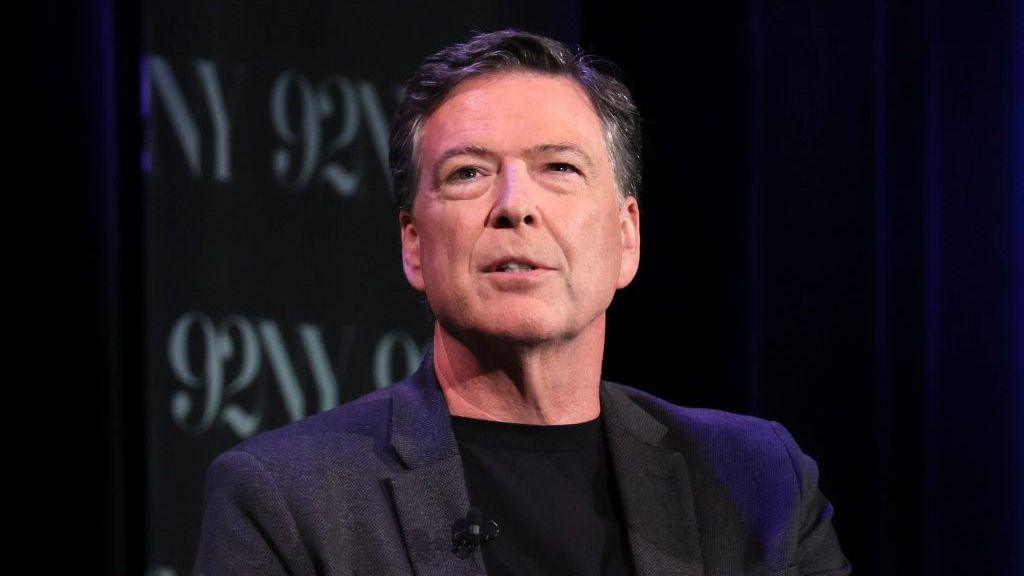
Federal prosecutors have filed a third set of criminal charges against former FBI Director James Comey, alleging that he released national defence information to the New York Times in October 2016 while heading the bureau.
The three‑page court filing names two separate counts but gives few specifics. Comey’s lawyers say the case stems almost a decade later from a former DOJ investigation that found no basis to prosecute him for the alleged disclosure.
In a video posted to Substack on Monday, Comey called the charges an “appalling abuse” of the Department of Justice. He reiterated that he is “still innocent, still not afraid of these people, and I still believe in the independent federal judiciary.”
The filing is a criminal information—an indictment that does not require a grand‑jury vote—unlike earlier cases where a grand jury had been convened. Comey’s counsel has filed a motion to dismiss on the grounds that the charges were fabricated and that the alleged 10‑year statute of limitations has expired.
Former federal prosecutor Glenn Kirschner told the BBC that Trump’s justice team may exceed that limitation, giving the dismissal a strong chance of success. He described the case as a “revenge‑fuelled attempt by Donald Trump” to find legal leverage against a foe.
Jessica Levinson, a law professor at Loyola University, noted that while the DOJ has pursued other Trump opponents, the sealed nature of this filing leaves prosecutors’ real allegations hard to assess. She warned that politically motivated prosecutions can create uneven outcomes.
Comey was first indicted by a federal grand jury in September 2025 for lying to Congress and obstructing a congressional proceeding, a case that was dismissed later that year. In April 2026 he surrendered to face charges claiming his Instagram post of sea‑shells spelled an extremist message—“86 47”—to the U.S. president. He again denied wrongdoing.
These latest allegations were released the same day a federal judge ruled the Trump administration had illegally fired Comey’s daughter, Maurene Comey, ordering her reinstatement and back pay.
The legal saga highlights the enduring tension between the Justice Department and political figures. Proceedings are set to continue as Comey’s team fights to dismiss the case while the DOJ pushes forward with its prosecution. Stay tuned for updates as this complex legal drama unfolds.