In brief
The Netherlands has reversed plans to return to the Eurovision Song Contest in 2027, withdrawing after a 2026 boycott that was triggered by Israel’s participation. Public broadcaster NPO cited “sensitivities” and stated that the debate around Israel has caused division in Dutch society. Audiences in the Netherlands can still watch the contest live, but no Dutch entry will compete. Eurovision organisers expressed regret but respect the nation’s decision, stressing the event’s role in fostering unity. Other countries such as Ireland and Spain have also opted to boycott this year’s competition.
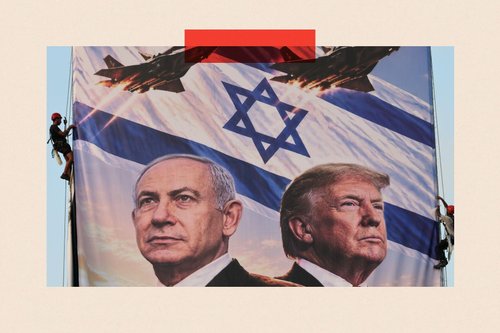
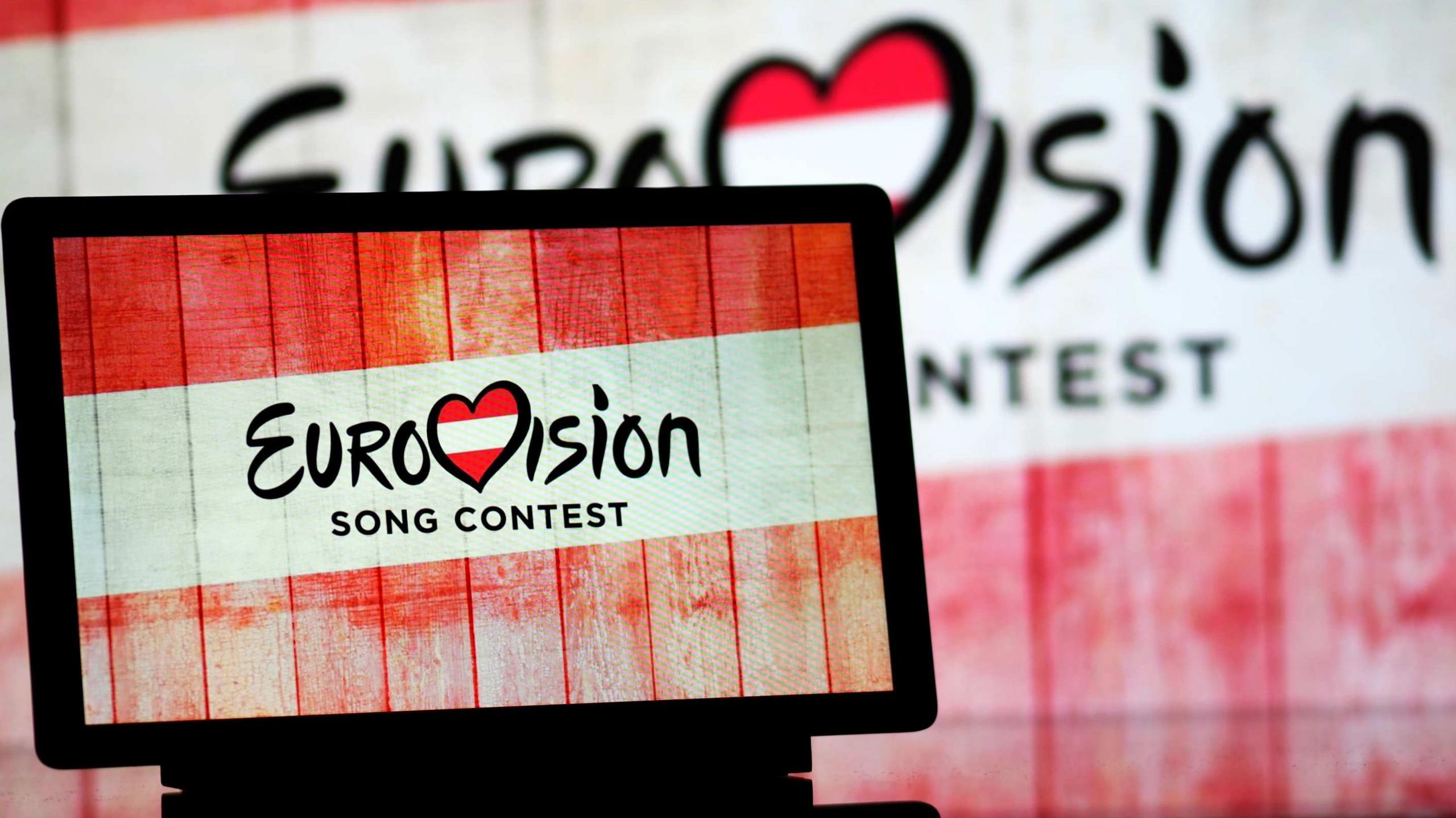
The Netherlands has announced it will not participate in the 2027 Eurovision Song Contest. After a 2026 boycott linked to Israel’s involvement, public broadcaster NPO said that “sensitivities” surrounding the country’s participation have caused deep division in society.
In 2026, the Netherlands, along with Iceland, Spain, Ireland and Slovenia, pulled out of the contest when Dutch network Avrotros decided to withdraw. NPO had pledged last month that the country would return next year, but media director Jurre Bosman now confirmed the reversal.
"Israel’s participation elicits various reactions in society and causes discussion and division," Bosman told reporters, adding that NPO would therefore forgo participation in 2027. The broadcaster acknowledged that some Dutch fans may feel disappointed but will still broadcast the event live.
Eurovision’s chief Martin Green expressed his regret, stating he was “deeply sorry” that the Netherlands would not take part, while also saying that the contest is a “rare moment when people from across Europe and beyond come together.” Green added that “we understand their decision, and we respect the strength of feeling behind it.”
As of now, the 2027 contest will take place in Burgas, Bulgaria on 15 May, with other countries including Ireland already declaring they will not compete. The contest’s governing body has introduced measures to address tensions, such as excluding hosts from active conflict zones and revising voting rules.