In brief
In West Bengal, India, at least 565 children have suffered injuries or deaths due to homemade bombs, primarily linked to political violence. An investigation reveals systemic issues surrounding child safety amidst electoral conflict.
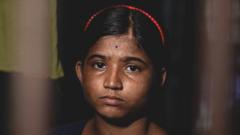
Despite a vibrant backdrop steeped in history, the innocence of childhood in West Bengal faces a harsh reality as homemade bombs, often mistaken for toys, have caused immense suffering among its children. Recent investigations uncover a staggering 565 child casualties due to bomb explosions, revealing a dark connection between political strife and tragic losses of young lives. This heart-wrenching saga began on a fateful day in May 1996 when young Puchu Sardar discovered what he thought was a cricket ball. Instead, it was one of many crude bombs—an explosion ensued, resulting in Puchu sustaining severe injuries and losing friends to the violence. His tragedy is not an isolated incident but part of a harrowing legacy in West Bengal, where a child falls victim to bomb violence every 18 days.The BBC's investigation highlighted a chilling reality: 60% of child victims engaged in outdoor play, unaware of the dangerous devices left behind during politically motivated conflict. The numbers are haunting, as children from impoverished backgrounds are abruptly thrust into a lifelong struggle with traumatic memories and physical disabilities due to bomb-related incidents.The history of bomb-making in the region can be traced back to resistance against British colonial rule, evolving from crude devices to modern-day threats used primarily during elections by rival political parties seeking control. These so-called "peto" bombs, often rigged with nails and shrapnel, have led to grievous injuries and casualties among children who stumble upon them in their playscapes.The narratives of survivors like Poulami and Sabina resonate powerfully. Innocent children, faced with the fallout of violence, have been forced to navigate life with trauma and physical limitations. Both girls, hopeful and resilient, dream of becoming teachers despite the horrific circumstances that have permanently altered their realities.As political parties deny their involvement in these tragedies, the responsibility for this ongoing cycle of violence remains ambiguous, casting a long shadow over future generations. The bitter irony echoes in the air as political rallies continue amidst the mourning for lost children, voices cheering phrases like "Hail Bengal!" while families grieve in silence.In the face of ongoing violence, the community grapples with a deep sense of loss and fear for future generations, pleading for an end to such atrocities. As Pankaj Dutta aptly summarized, the abuse of childhood in West Bengal goes unchecked—no child should pay such a heavy price amidst the political machinations that linger in the background of their lives.