The recurring pattern of riverine boat accidents has become a grim reality for many Nigerians. New tragedies trigger official promises of “improved safety,” yet another disaster demands another set of empty assurances.
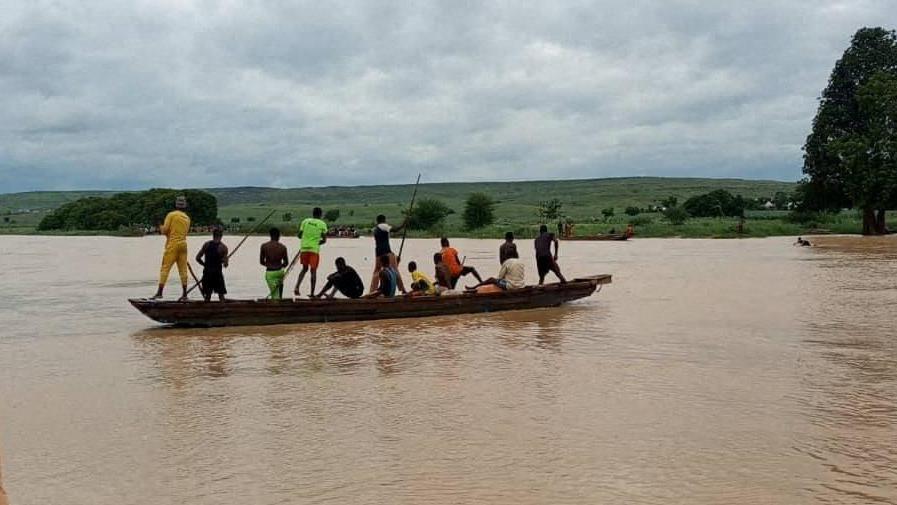
In Jigawa state, a wooden canoe that carried about forty mostly female farmers capsized on Sunday. A rescue mission has recovered 23 survivors and 7 bodies so far. A similar scale of loss echoes the 12‑person drowning on the Benue River a month earlier and a 14‑person death toll in Kebbi state’s Gumbi after a wedding‑driven voyage.
Since the start of 2026, over 55 people have been killed in Nigerian boat crashes, with many bodies still missing. While rivers are essential for rural transport, the lack of bridges and poor roads force villagers onto unreliable wooden boats that lack life jackets, are often overloaded, and rarely meet safety codes.
Key causes of these tragedies:
- Overcrowding – boats often carry well over 100 passengers while only a handful receive life jackets.
- Unlicensed operators – most boat crews lack training and official licensing.
- Life‑jackets scarcity – authorities promise supplies, but availability remains woefully low.
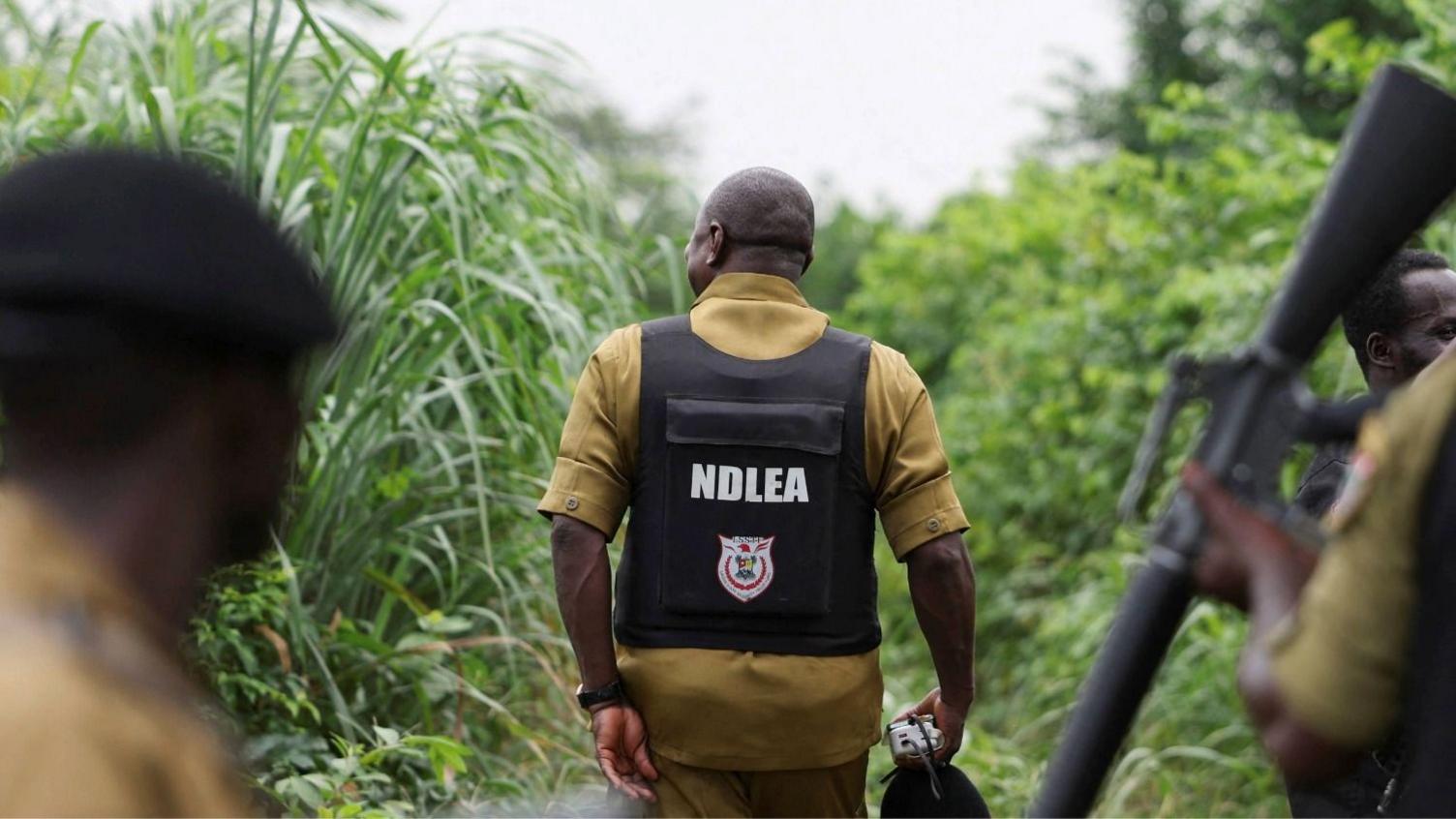
Water‑marshals and dredging efforts have been deployed, yet many terminals lack the personnel to enforce these measures. Tree stumps, left by inadequate dredging, continue to be a hidden hazard that pushes vessels over.
Niger state’s water transport code, adopted in January 2023, stipulates mandatory life‑jackets for all passengers on large water bodies. Alarmingly, the law’s regulations remain rarely enforced. Inspectors note that many available jackets are of poor quality and passengers struggle to wear them properly.
Locals admit that riverine life fits their daily rhythm; “we don’t need a jacket,” they say, reflecting a cultural resistance that hampers safety measures.
Lagos as a contrasting example:
- Modern boats and standard life‑jackets distributed to all operators.
- Dredged waterways, removing obstructions.
- Water guards posted at each terminal ensure compliance and rapid rescue responses.
- Mandatory operator licensing and training.
In 2024 the town recorded only one death; 2025 saw six, and no fatality has been reported so far. The Lagos model is a testament that regulation, enforcement and infrastructure can drastically reduce accidents.
The national response includes a pledge to supply life‑jackets in thousands and a directive to phase out wooden vessels. Yet the gulf between policy and on‑ground realities remains wide.
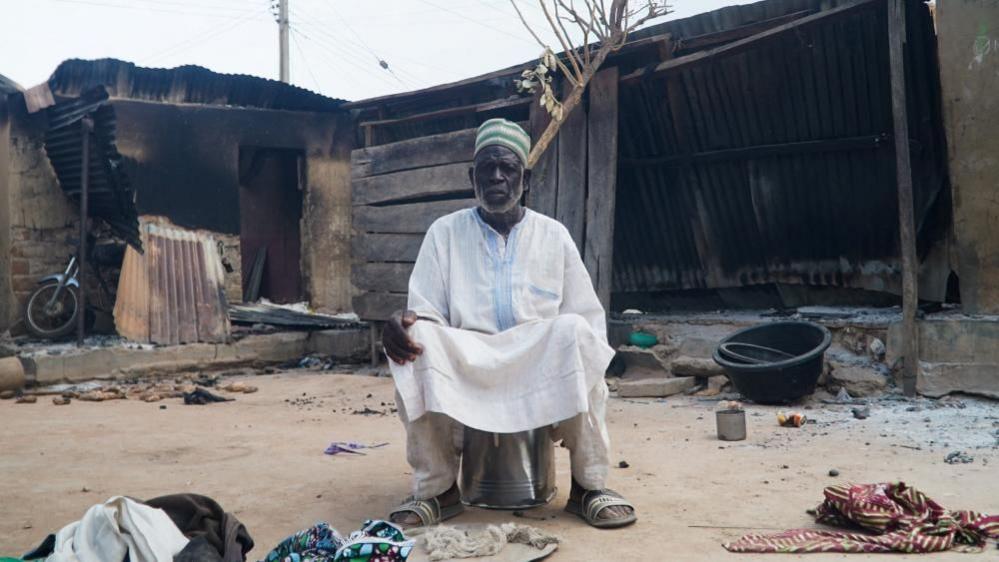
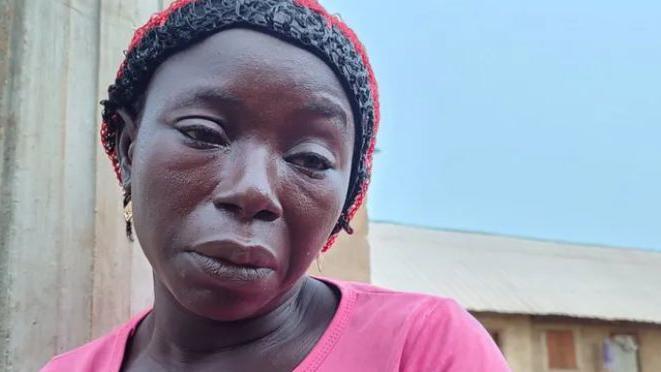
Families such as Aisha Mohammed’s—who lost three daughters in a 2023 tragedy—continue to grieve, awaiting meaningful action. The question persists: why do these disasters keep repeating, and how will Nigeria strike the balance between cultural practices and lifesaving protocols?