
In brief
Overnight Russian air attacks on Odesa killed three people and damaged a residential building, a non‑residential structure and a gas pipeline, officials say. The Russian defence ministry claimed the strikes targeted sites linked to military production and cargo transport. Ukraine’s drones reportedly hit 20 Russian vessels, tightening restrictions on the Sea of Azov. Meanwhile, political turbulence continues as President Zelensky dismisses the prime minister ahead of an EU‑Ukraine defence summit.
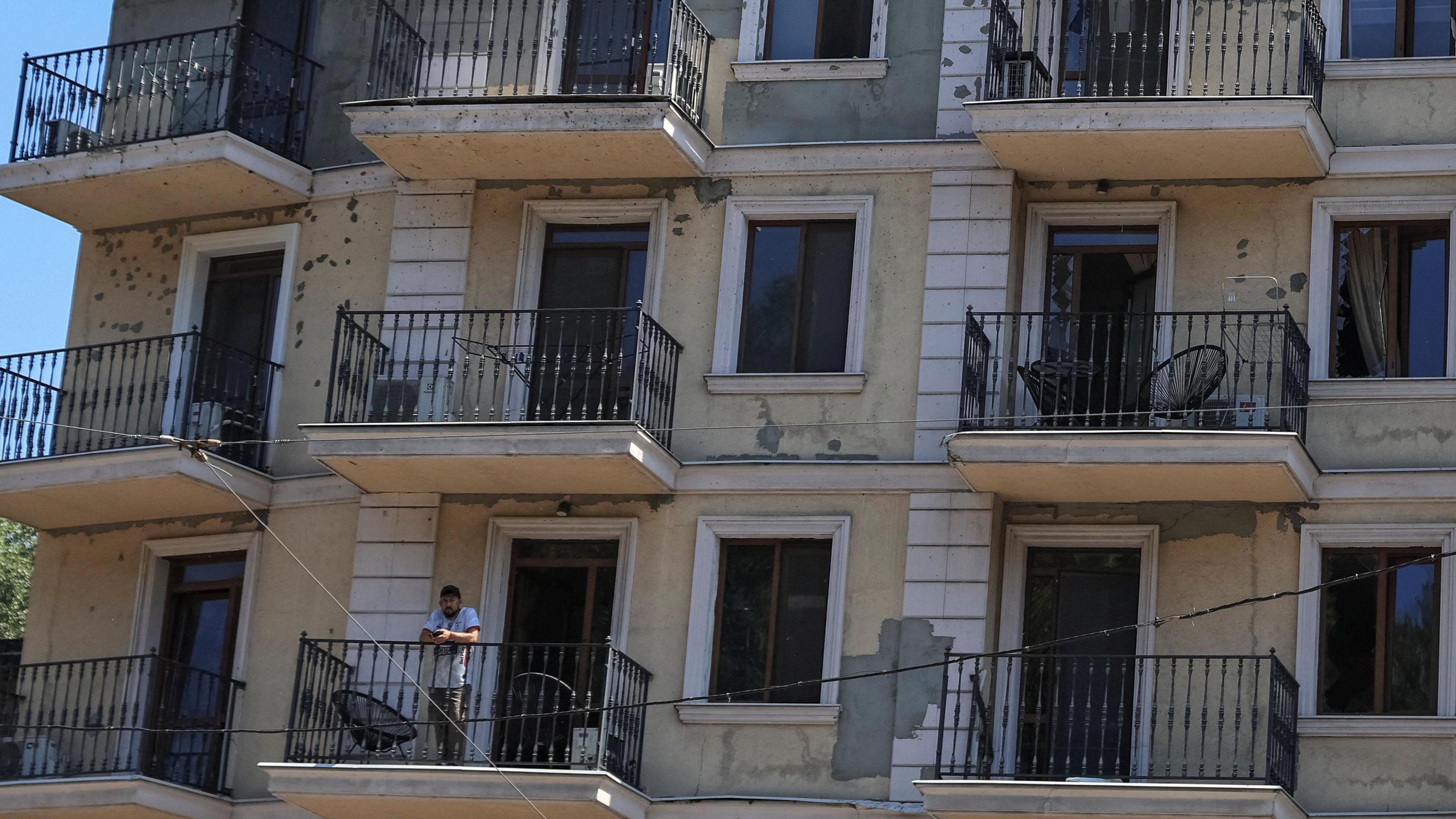
Three people have been killed following an overnight Russian attack on the Black Sea port of Odesa.
Odesa region governor Oleh Kiper said the "massive" drone and missile strike marked the fifth day of Russian attacks in the area.
The Russian ministry of defence said it was deliberately targeting port infrastructure used for unloading petroleum, oil and lubricants.
The strikes came as European Commission President Ursula von der Leyen visited Kyiv to discuss cooperation between European and Ukrainian defence industries.
Kiper accused Russia of targeting civilians, industrial sites and the port in the Odesa region.
He reported residents were killed and injured when a missile struck a multi‑storey residential building; a non‑residential building and a gas pipeline were also damaged.
In a statement, Russia claimed it hit sites involved in the manufacture of military hardware and transport of cargo.
Ukraine’s drones hit 20 Russian vessels overnight, a maneuver that comes after intense attacks on Russian ships in the Sea of Azov between Crimea, Ukraine’s eastern coastline and Russia.
The attacks have forced Russia to restrict shipping in the Sea of Azov, a route accounting for about a quarter of its grain exports.
Amid the conflict, Ukraine has seen political turbulence: President Volodymyr Zelensky dismissed Prime Minister Yulia Svyrydenko after less than a year in office.
A parliamentary motion to accept Svyrydenko’s resignation passed on Tuesday despite concerns that the reason for the change had been explained.
Serhiy Koretskyi, the head of state oil and gas firm Naftogaz, is seen as the likely successor, with a vote on the appointment scheduled for Thursday.
On Wednesday, Ursula von der Leyen arrived in Kyiv, writing that it was a "special moment" and that her 11th visit would announce initiatives to allow both sides to "produce more, and faster".