In brief
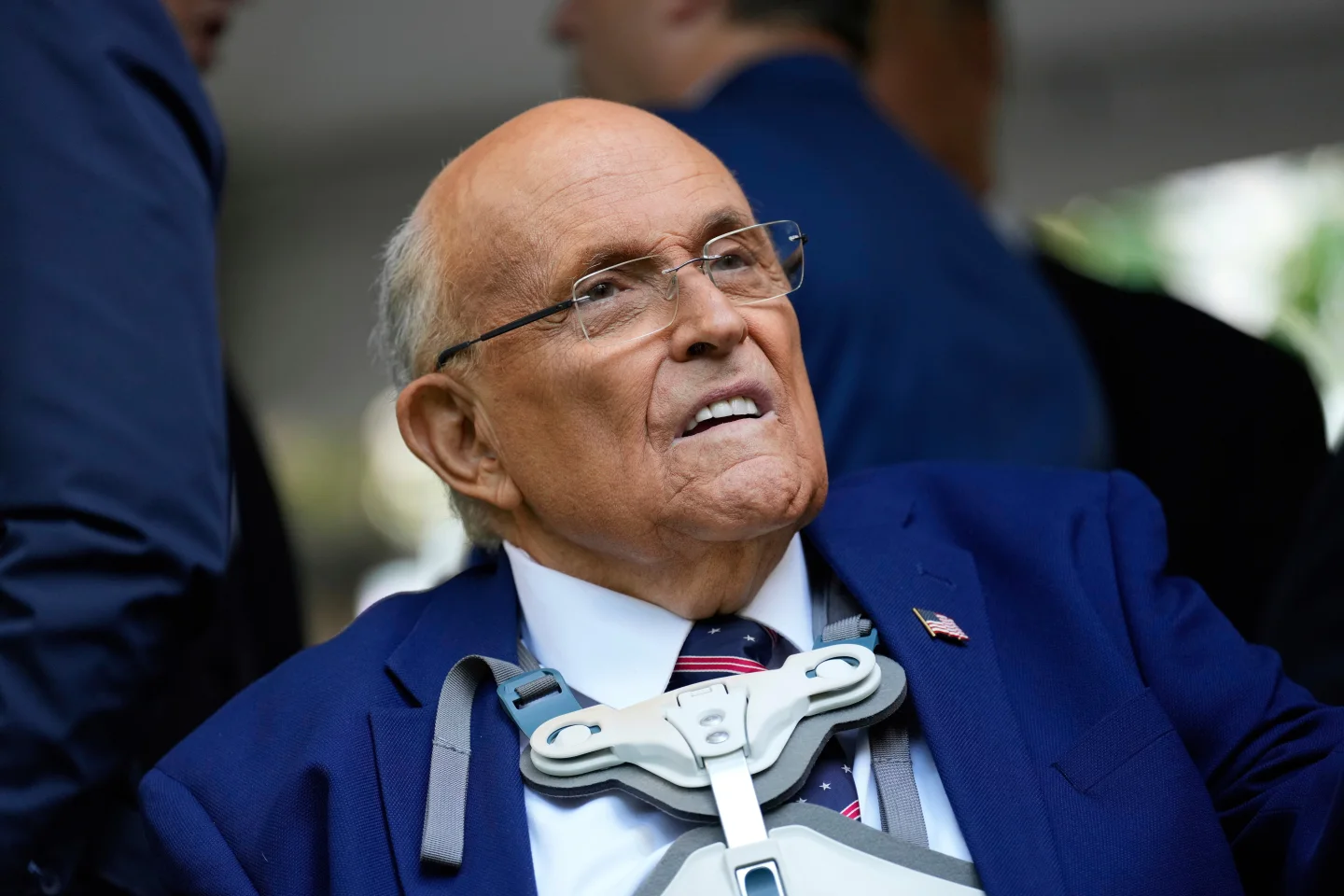
In a significant move, Donald Trump has pardoned his former personal lawyer Rudy Giuliani, ex-chief of staff Mark Meadows, and other associates implicated in efforts to reverse the 2020 election outcome. The pardons are characterized as complete and unconditional, yet they do not absolve Trump himself. This action highlights Trump's ongoing struggle to reshape the narrative of the 2020 election, despite all individuals pardoned facing state, not federal charges. The proclamation labels prior prosecutions as a severe injustice against the American public, aiming for 'national reconciliation.'
WASHINGTON (AP) — President Donald Trump has pardoned his former personal lawyer Rudy Giuliani, his former chief of staff Mark Meadows, and others accused of backing the Republican’s efforts to overturn the 2020 election, according to a Justice Department official.Ed Martin, the government’s pardon attorney, shared on social media a signed proclamation stating the pardons were 'full, complete, and unconditional,' also including conservative attorneys Sidney Powell and John Eastman. It is important to note that the proclamation explicitly states that these pardons do not extend to Trump himself.Presidential pardons are applicable only to federal crimes, and notably, none of the Trump allies received federal charges. This development showcases Trump's intent to continue reconstructing the narrative surrounding the 2020 election loss to Democrat Joe Biden.The White House did not respond immediately to requests for comment regarding the pardons.In addition to these figures, Trump pardoned Republicans who served as fake electors during the 2020 election, facing state-level charges for submitting false certificates that claimed their legitimacy despite Biden's victories in several states.The pardons have been portrayed in the proclamation as a response to what Trump considers 'a grave national injustice perpetrated on the American people,' aiming to advance 'the process of national reconciliation.'}