In brief
As Sudan's civil war drives millions from their homes, many women hoping for a better life in Libya encounter a grim reality marked by violence and exploitation.
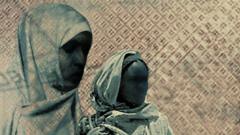
In the chaos of Sudan's ongoing civil war, women like Layla, whose identity is protected for her safety, endure unimaginable pain after fleeing Sudan with their families. Layla, who escaped with her husband and six children, sought refuge in Libya, only to fall victim to traffickers. The family was held hostage after crossing the border, facing beatings and being demanded more ransom."There is no money for food or school," Layla explains despairingly, sharing her son's plight of being bullied for his skin color in their new surroundings. Vulnerable and terrified, her family feels trapped between their war-torn homeland and the horrors they now face in Libya.With over 12 million displaced from Sudan due to the conflict between the army and the paramilitary Rapid Support Forces, experiences recounted by other women mirror Layla’s devastating journey. Salma, who also fled to Libya, described a nightmare where her children were threatened and tortured. She was separated from her husband and subjected to brutal treatment—her skin marked by whips and her son burned.Jamila, another survivor, recounted how her daughters were assaulted and belittled, suffering from the trauma of repeated sexual violence. All three women’s hopes for a safer existence were brutally dashed. In her mid-40s, Jamila’s frustrating attempts to seek justice were thwarted when authorities dismissed her pleas due to their refugee status.As conditions worsen, reports of systemic abuse—including trafficking, violence, and food deprivation—spread rapidly among Sudanese refugees in Libya. Others like Hanaa suffered further torment, where she was held captive and assaulted before being transferred to a state-funded facility known for its harsh treatment of migrants.Conditions for refugees in Libya have led to widespread denunciations from human rights organizations who claim that systematic abuse thrives not only in trafficker-operated shelters but also in official detention centers. The ambitious dreams of these women seeking refuge have turned into haunting realities filled with exploitation and despair.With criticized governance structures in Libya, the UN refugee agency warns that the situation remains dire for 210,000 Sudanese refugees, as shelters are overrun with violence and oppression. The heartbreaking stories shared by these women reveal the urgent need for humane conditions and viable support systems for those escaping turmoil, far from their homes.